Steam rendering is a highly effective method for reclaiming beeswax from old, dirty brood comb. The process involves placing the comb into a closed vessel, such as a wax tank or modified bucket, and piping steam directly into the container. As the steam permeates the material, it melts the wax and pollen, allowing the liquids to drain away from the solid debris and collect at the bottom.
Steam rendering is uniquely suited for old brood comb because the penetrating heat separates wax from the fibrous cocoons that otherwise act as sponges. This method maximizes yield by liquefying the wax and allowing it to flow away from the waste, leaving only the "slumgum" behind.
The Mechanics of Steam Rendering
The Containment System
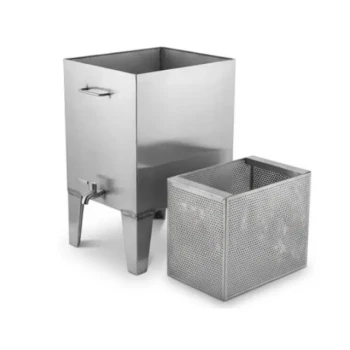
To begin, you must load the dirty brood comb into a closed container. This vessel helps maintain the necessary temperature and pressure for the steam to work effectively.
Common setups include specialized wax tanks or simple, heavy-duty buckets modified to accept a steam input. The container must be robust enough to handle the heat and moisture without deforming.
The Separation Process
Once the container is sealed, steam is piped directly into the vessel. The heat from the steam targets the complex structure of the brood comb, which contains layers of wax, pollen, and spun cocoons.
As the temperature rises, the wax and pollen melt. Crucially, the steam heat facilitates the separation of these liquids from the solid cocoons, preventing the waste material from re-absorbing the molten wax.
Extraction and Collection
Gravity plays a key role in the final stage of the process. The melted wax and condensed water trickle down, collecting at the bottom of the tank.
To harvest the wax, the system requires a drainage mechanism. This is typically achieved through a valve at the bottom or by designing the container with an internal elevation system that keeps the solid refuse suspended above the pooling liquid.
Operational Trade-offs
Equipment Complexity
Unlike simple solar melters, steam rendering requires active inputs. You must have a reliable source of steam and a container capable of directing that steam safely.
This adds a layer of mechanical complexity to the operation. You are managing pressurized hot vapor, which requires careful setup to ensure connections are secure and leaks are minimized.
Handling Waste and Water
The output of this process is a mixture of wax and water. While this effectively cleans the wax of heavy debris, you will need to perform a final separation step to remove the water from the wax block after it cools.
Additionally, the remaining solid waste (slumgum) will be wet and hot. It must be disposed of or composted immediately after the process concludes.
Making the Right Choice for Your Goal
To determine if steam rendering is the right approach for your apiary, consider the condition of your material:
- If your primary focus is recovering wax from old, dark comb: Use steam rendering, as it is the most efficient way to release wax trapped in fibrous cocoons.
- If your primary focus is simple equipment setup: Be aware that this method requires a dedicated steam generator and modified vessel, unlike passive solar options.
Mastering steam rendering transforms a messy, difficult byproduct into valuable, clean beeswax with maximum efficiency.
Summary Table:
| Feature | Steam Rendering Details |
|---|---|
| Best Use Case | Extracting wax from old, dark brood comb with heavy cocoons |
| Mechanism | High-temperature steam penetration and gravity-based separation |
| Key Equipment | Steam generator, sealed wax tank/vessel, and drainage system |
| Primary Benefit | High yield; prevents "slumgum" from re-absorbing molten wax |
| Output | Clean wax blocks (after cooling and water separation) |
Scale Your Wax Production with HONESTBEE
Maximize your apiary's efficiency with professional-grade equipment. HONESTBEE specializes in supporting commercial apiaries and distributors with high-capacity wax tanks, steam-rendering machinery, and a complete range of beekeeping tools. From honey-filling machines to essential consumables, we provide the industrial-strength hardware you need to thrive.
Ready to upgrade your wholesale operations? Contact our experts today to find the perfect equipment solutions for your business!
Related Products
- Steam Beeswax Melter Wax Warmer for Wax Processing
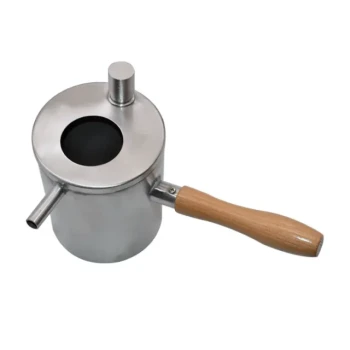
- Professional Stainless Steel Wax Melter for Beekeeping and Crafts
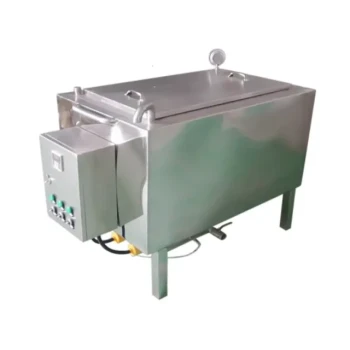
- Electric Commercial Beeswax Melter for Factory Use
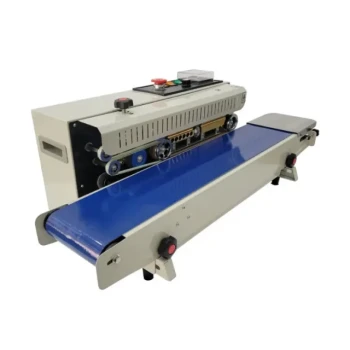
- Automatic Continuous Heat Sealing Machine
People Also Ask
- How does a steam wax melter work? A Fast, Efficient Method for High-Quality Wax
- How does a professional steam wax melter optimize the recovery of beeswax? Maximize Yield & Hygiene for Your Apiary
- What are the steps to use a steam wax melter? Master Safe & Efficient Wax Rendering
- How do steam wax melters function in the disinfection of apiary equipment? Achieve Chemical-Free Organic Sterilization
- How do you operate a steam wax melter? Master Efficient Wax Extraction and Frame Sterilization