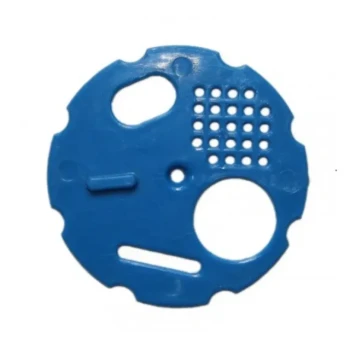
Adjustable entrance gates function as a critical thermal throttle for honeybee hives during the winter months. By restricting the hive opening to roughly 1 cm (0.39 inch), these mechanisms drastically reduce the volume of cold air entering the colony while simultaneously minimizing the escape of generated heat.
Core Takeaway Narrowing the entrance creates a stable internal microclimate, allowing the colony to conserve vital energy reserves that would otherwise be burned for heating. By minimizing the specific aperture size, beekeepers effectively reduce the colony's metabolic "cost" of survival during cold spells.
Regulating the Hive Microclimate
Minimizing Cold Air Intrusion
The primary function of an adjustable gate in winter is to limit air exchange. A wide-open entrance allows significant drafts of freezing air to penetrate the hive.
By narrowing the entrance to approximately 1 cm, you create a choke point that prevents cold wind from flushing out the warm air the bees have worked to generate.
Reducing Radiant Heat Loss
Heat naturally moves from warmer areas to cooler areas. During winter, the colony clusters to generate warmth.
A smaller entrance reduces the surface area through which this valuable internal heat can radiate out into the environment. This helps maintain the thermal balance necessary for the cluster to survive without exhaustion.
Energy Conservation and Survival
Lowering Metabolic Demand
Bees do not hibernate; they vibrate their wing muscles to generate heat. This process requires fuel in the form of honey.
When an adjustable gate reduces heat loss, the colony does not need to work as hard to maintain its core temperature. This directly lowers the metabolic rate required for the cluster to stay warm.
Preserving Critical Resources
Winter survival is a math problem: calories available vs. calories burned.
By acting as a thermal barrier, the entrance gate helps the colony ration its honey stores. This ensures that the food supply lasts throughout the dormant season, rather than being depleted early due to excessive heating demands.
Secondary Benefits: Security and Protection
Deterring Heat-Seeking Pests
During cold seasons, rodents and other pests actively seek warm environments.
A narrowed entrance acts as a physical barrier that prevents mice from entering the hive to steal warmth. This protects the internal wax combs from physical destruction and prevents the contamination of the hive environment.
Preventing Resource Theft
When the colony is dormant and clustered for warmth, they cannot effectively defend their stores.
A reduced entrance makes the hive easier to defend against robbing bees from other colonies. This protects the honey reserves that are essential for the colony's thermal regulation and survival.
Understanding the Trade-offs
Balancing Ventilation and Heat
While retaining heat is crucial, a hive must not be airtight. Bees exhale moisture as they consume honey.
If the entrance is restricted too severely without adequate upper ventilation, condensation can build up. This moisture can freeze and drip back onto the cluster, which is often more lethal to bees than the cold itself.
Monitoring for Blockages
A narrow entrance is easily obstructed.
Dead bees or debris can quickly block a 1 cm opening, trapping the colony inside or preventing cleansing flights on warmer days. Regular checks are required to ensure the airway remains clear.
Making the Right Choice for Your Colony
- If your primary focus is thermal efficiency: Narrow the entrance to the recommended 1 cm width to minimize drafts and conserve honey stores.
- If your primary focus is physical security: Ensure the reducer is made of a sturdy material (like metal) to prevent rodents from chewing through the barrier to reach the warmth inside.
Properly managing the hive entrance is the single most effective non-invasive step a beekeeper can take to ensure winter survival.
Summary Table:
| Feature | Thermal Impact | Benefit to Colony |
|---|---|---|
| Aperture Reduction | Limits cold air intrusion & drafts | Maintains stable internal microclimate |
| Heat Retention | Reduces radiant heat loss | Lowers metabolic demand & energy burn |
| Resource Preservation | Conserves honey stores | Ensures food supply lasts through winter |
| Physical Barrier | Prevents rodent & pest entry | Protects wax combs and colony security |
| Ventilation Control | Manages humidity levels | Prevents lethal condensation buildup |
Maximize Your Colony’s Winter Survival with HONESTBEE
At HONESTBEE, we specialize in empowering commercial apiaries and distributors with high-performance beekeeping solutions. From precision-engineered adjustable entrance gates and specialized beekeeping tools to industrial-grade honey-filling machines and hive-making equipment, we provide everything needed to scale your operations efficiently.
Our comprehensive wholesale portfolio is designed to reduce labor costs while enhancing hive health and honey production. Partner with a supplier that understands the technical demands of large-scale beekeeping.
Ready to upgrade your inventory or apiary equipment?
Contact HONESTBEE Today to explore our full spectrum of hardware and essential industry consumables.
References
- Aliakbar Salehizadeh, Amir Gandomkar. Temperature Conditions for Determination of Beekeeping Regions in the Light of Climate Change. Case study: Fars Province. DOI: 10.2478/rtuect-2020-0006
This article is also based on technical information from HonestBee Knowledge Base .
Related Products
- Professional Reversible Beehive Hive Entrance
- Steel Round Disc Entrance Reducer for Flexzion Bee Hive Nuc Box Gate
- Multi-Functional Sliding Hive Entrance for Beekeeping
- Multi-Functional Rotary Hive Entrance Disc for Beekeeping
- Beehive Entrance Reducer Guardian Metal Hive Entrance for Bees
People Also Ask
- Where is the hive entrance typically located? Optimize Your Hive's Health and Honey Production
- What role does the size of the entrance play in hive ventilation? Master Beehive Climate Control
- What roles does the hive entrance (piquera) play in beehive management and colony health? Essential Guide for Pro Apiaries
- What are the primary advantages of providing a smaller entrance for a beehive? Boost Defense and Winter Survival
- Why adjust beehive entrance size for humidity? Boost Honey Ripening and Varroa Control in Commercial Apiaries