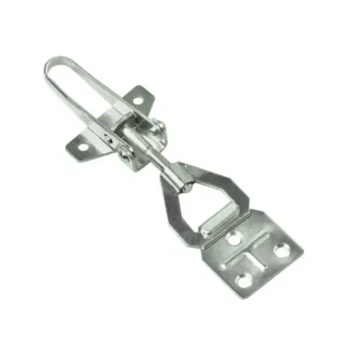
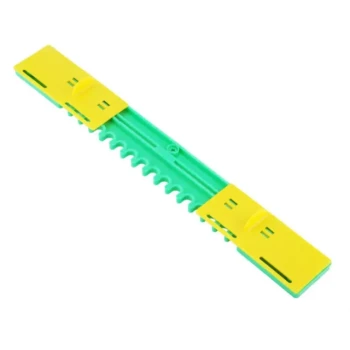
Adjustable plugs and foam inserts act as internal volume regulators for cylindrical hives, serving as a substitute for the modular expansion found in traditional square box hives. Because these hives cannot be expanded outwardly, beekeepers use these components to mechanically reduce or enlarge the habitable space inside the fixed tube. By shifting the position of end plugs or inserting diameter-matched foam discs, the internal cavity is resized to align perfectly with the colony's current population.
Core Takeaway Cylindrical hives lack the ability to expand via vertical supers, making internal volume management essential for colony survival. By manually adjusting the internal space using plugs and foam, beekeepers ensure the colony can efficiently regulate nest temperature and humidity regardless of the season.
The Mechanics of Volume Control
Overcoming Fixed Dimensions
Unlike Langstroth hives, where space is added by stacking boxes (supers), a cylindrical hive has a static outer shell.
The physical footprint of the hive never changes. To accommodate a growing or shrinking colony, the change must happen internally.
Shifting End Plugs
Adjustable end plugs function as movable interior walls.
By sliding these plugs deeper into the cylinder or pulling them outward, the beekeeper defines the boundaries of the nest. This allows the hive to start small and "grow" lengthwise as the bees require more comb space.
Utilizing Foam Inserts
Foam materials, specifically cut to match the hive's diameter, are used to fill the void space behind the active nesting area.
These inserts occupy the unused volume of the cylinder, preventing the bees from expending energy on heating empty air. They act as physical blockers that back up the adjustable plugs.
The Biological Necessity
Matching Seasonal Fluctuations
Bee populations are not static; they expand rapidly in spring and contract significantly in winter.
Adjustable components allow the hive architecture to mimic these seasonal biological changes. A small winter cluster is not forced to defend a cavernous space, and a booming summer colony is not restricted by a small cavity.
Regulating Temperature
The primary goal of volume regulation is thermal efficiency.
By reducing the internal volume, the colony can maintain the brood nest temperature with significantly less energy expenditure. This is critical during colder months or early spring development.
Managing Humidity
Proper volume control also aids in humidity regulation.
If a small colony occupies too large a space, excess moisture can accumulate in the cool, unoccupied areas, leading to condensation. keeping the volume tight allows the bees to actively manage airflow and moisture levels.
Understanding the Trade-offs
The Requirement of Manual Monitoring
Unlike adding a super, which is a visible external change, adjusting internal plugs requires proactive monitoring.
The beekeeper must accurately gauge the colony's growth inside the tube to know when to move the plug. Failing to expand the space in time can lead to overcrowding and swarming.
Material Durability
The materials used for plugs and foam inserts must be robust enough to withstand the hive environment.
Bees may attempt to propolize (glue) movable parts or chew through softer foam inserts, potentially complicating future adjustments.
Optimizing Your Cylindrical Hive Strategy
To effectively manage a cylindrical hive, you must view the internal space as a dynamic variable. Use the following guide to determine how to manipulate the plugs and inserts:
- If your primary focus is overwintering survival: Compress the internal volume significantly using foam inserts to minimize heat loss and prevent condensation.
- If your primary focus is spring build-up: Monitor the colony weekly and retract the end plugs gradually to provide just enough room for new comb construction without lowering the nest temperature.
Success in cylindrical beekeeping relies on matching the container size to the colony size, ensuring the bees spend their energy on growth rather than climate control.
Summary Table:
| Component | Primary Function | Impact on Colony Health |
|---|---|---|
| Adjustable Plugs | Movable interior walls to resize cavity | Provides growth space while maintaining nest boundaries |
| Foam Inserts | Fills void space and blocks airflow | Reduces energy expenditure for heating; prevents condensation |
| Manual Monitoring | Gauging colony growth and contraction | Prevents overcrowding and manages seasonal population shifts |
Scaling Your Beekeeping Operation with HONESTBEE
Managing specialized hive systems requires precision tools and reliable equipment. HONESTBEE specializes in supporting commercial apiaries and distributors by providing a full spectrum of high-quality beekeeping solutions. From advanced hive-making and honey-filling machinery to essential industry consumables and unique honey-themed cultural merchandise, we empower our partners to maximize productivity and efficiency.
Looking to upgrade your inventory or streamline your production line? Contact us today to discover how our comprehensive wholesale offerings can support your business growth.
References
- Ahmed Alghamdi, Nuru Adgaba. Beekeeping in the Kingdom of Saudi Arabia Past and Present Practices. DOI: 10.1080/0005772x.2013.11417527
This article is also based on technical information from HonestBee Knowledge Base .
Related Products
- Heavy Duty Adjustable Hive Connector
- HONESTBEE Adjustable Voltage Wire Embedder with Digital Display
- Durable Plastic Interlocking Hive Connector for Beekeeping
- Multi-Functional Sliding Hive Entrance for Beekeeping
- Ergonomic Plastic Frame Spacer Tool for Rapid Hive Management Beekeeping
People Also Ask
- Under what circumstance are beehive connectors particularly beneficial? Optimize Handling for Full Beehive Attachments
- What is the advantage of using the beehive connector when handling full attachments? Achieve Safe and Efficient Hive Transport
- What are the primary functions of a beehive connector? Ensure Hive Stability and Safe Colony Transport
- How can the connection length and strength of a beehive connector be adjusted? Master Tension with Threaded Mechanics
- What is the purpose of the beehive connector? Secure Your Hive for Safe Transport