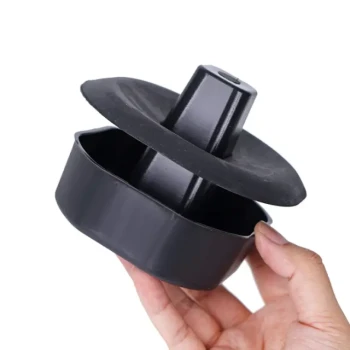
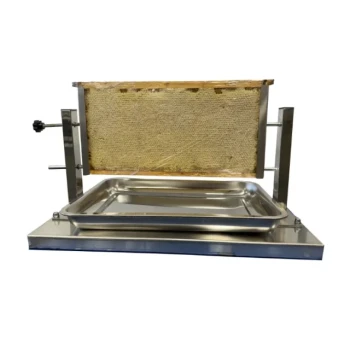
Ant-proof plates and stands function as essential physical isolation barriers designed to protect beehives from aggressive ground-based pests. These devices utilize fluid-filled reservoirs at the base of the hive stand to create an impassable "moat," effectively stopping ants from climbing up to steal honey or attack vulnerable larvae.
Core Takeaway In tropical and subtropical regions, pest pressure acts as a primary driver of colony failure. Ant-proof stands do not merely annoy pests; they are critical infrastructure that prevents colony absconding (abandonment of the hive), thereby securing the long-term stability of honey production.
The Mechanics of Hive Defense
Creating a Physical Divide
The fundamental mechanism of these devices is the separation of the hive from the ground. By elevating the hive on a specialized stand, the beekeeper limits the access points for crawling insects to the legs of the stand alone.
The Liquid Barrier Strategy
The plates located at the base of the stand are designed to hold liquid. When filled with water or a specific insect repellent, these plates establish what is known as a biological protective barrier.
Stopping the Invasion
This fluid barrier physically interrupts the pheromone trails and climbing paths of foraging ants. Without a dry path to traverse, the pests cannot reach the hive superstructure to raid resources.
Why Protection is Critical in Tropical Regions
Preventing Resource Theft
In warmer climates, ants are highly active and aggressive. Without protection, they invade hives to consume honey stores and prey on bee larvae, weakening the colony's future workforce.
Reducing Colony Absconding
The most significant threat in these regions is "absconding"—where the entire colony abandons the hive due to stress. Constant harassment by pests is a leading cause of this behavior.
Ensuring Production Stability
By eliminating the stress of invasion, the colony remains settled and productive. This stability is the difference between a thriving apiary and empty boxes.
Operational Considerations and Maintenance
Monitoring Fluid Levels
The effectiveness of the barrier is entirely dependent on the presence of liquid. In hot tropical climates, water evaporates quickly and must be replenished frequently to maintain the seal.
Managing Repellent Integrity
If using insect repellent, beekeepers must ensure it remains effective. Heavy tropical rains can dilute the solution in the plates, potentially rendering the barrier passable to determined pests.
Securing Your Apiary's Future
To maximize the effectiveness of ant-proof infrastructure, align your maintenance strategy with your environmental conditions:
- If your primary focus is low-cost maintenance: Utilize water in your barrier plates, but commit to a frequent inspection schedule to mitigate evaporation.
- If your primary focus is maximum security: Utilize a specialized insect repellent within the plates to create a more durable chemical deterrent against aggressive species.
- If your primary focus is colony retention: Prioritize the installation of these stands immediately upon establishing the apiary to prevent the initial stress that leads to absconding.
By integrating these barriers, you convert hive defense from a daily battle into a passive, reliable system.
Summary Table:
| Feature | Protection Mechanism | Key Benefit for Tropical Apiaries |
|---|---|---|
| Physical Elevation | Hive stands separate equipment from ground-based pests. | Limits insect access points to stand legs only. |
| Liquid Moats | Reservoirs filled with water or repellent create a physical barrier. | Interrupts pheromone trails and blocks ant movement. |
| Anti-Absconding | Reduces colony stress caused by constant pest harassment. | Prevents entire colonies from abandoning the hive. |
| Resource Defense | Prevents theft of honey stores and predation on larvae. | Maintains a strong workforce and ensures stable production. |
Secure Your Apiary Productivity with HONESTBEE
Don't let aggressive pests compromise your honey production or cause costly colony absconding. HONESTBEE specializes in empowering commercial apiaries and distributors with professional-grade infrastructure designed for challenging climates.
Whether you need specialized ant-proof hive stands, industrial honey-filling machines, or a full suite of beekeeping tools and consumables, our comprehensive wholesale offering provides the durability your business demands. Partner with us to transition from manual pest control to a reliable, passive defense system.
Ready to scale your operations? Contact HONESTBEE today to access our full portfolio and wholesale pricing.
References
- Shelke RT, Kolambkar RA. Economic analysis of beekeeping (Apis cerana indica) in South-Goa district of Goa state. DOI: 10.22271/chemi.2020.v8.i4e.10037
This article is also based on technical information from HonestBee Knowledge Base .
Related Products
- Professional Ant-Proof Beehive Stand with Integrated Moat for Beekeeping
- Metal Hive Feet Bee Hive Stand for Ant Protection
- Plastic Bee Hive Stand for Beekeeping
- Professional Adjustable Stainless Steel Honeycomb Display Stand
- Metal Bee Hive Stand Bee Box Stand for Beekeeping
People Also Ask
- What physical protection advantages do individual hive stands provide against Small Hive Beetles? Secure Your Apiary
- Why are specialized ant-proof stands necessary for Africanized honeybee apiaries? Prevent Absconding in Semi-Arid Regions
- Why are specialized beehive stands or protective barriers necessary for pest management in apiaries? Secure Your Colony
- What are the benefits of elevating a bee hive with a stand or base? Protect Your Colony and Your Back
- What to stand a beehive on? The Best Foundation for a Healthy, Manageable Apiary