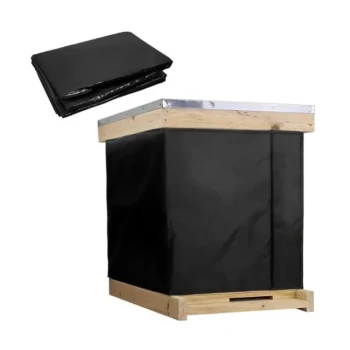
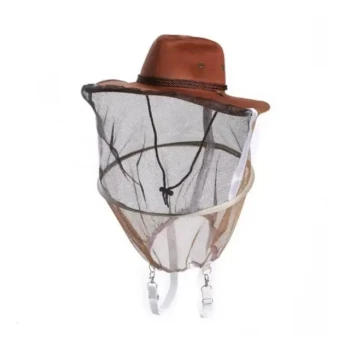
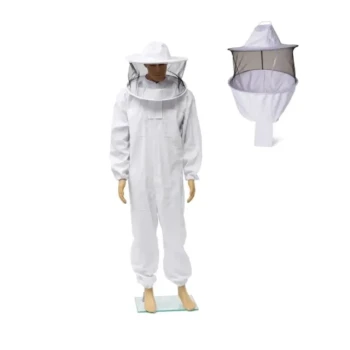
Beehive covers function as both thermal insulators and passive solar collectors. By wrapping the exterior of the hive, these covers significantly reduce the rate of heat loss, allowing the colony to maintain a stable internal temperature without expending excessive energy.
Effective hive covers minimize thermal transfer to prevent freezing condensation and utilize dark materials to absorb solar energy, ultimately preserving the colony's vital energy stores during winter.
The Mechanics of Heat Retention
Reducing Thermal Loss
The primary function of a hive cover or wrap is to act as an insulation layer. By wrapping the hive, the cover helps retain the heat generated by the bee cluster, slowing the rate at which warmth escapes into the cold environment.
Preventing Freezing Condensation
Retaining heat does more than keep the bees warm; it manages moisture. By keeping the internal temperature higher, covers prevent water vapor from freezing and producing droplets on the inner walls. This is critical, as cold water dripping onto the bee cluster can be fatal in winter.
The Role of Dead Air Space
Beyond the outer wrap, the inner cover plays a distinct role in regulation. It creates a "dead air space" between the top of the hive and the outer lid. This stagnant air acts as a buffer zone, providing an additional layer of insulation that protects the colony from extreme temperature fluctuations.
Leveraging Passive Solar Heating
Absorbing Solar Energy
On sunny winter days, the material and color of the cover become active heating elements. Dark-colored coverings are specifically designed to absorb solar radiation rather than reflect it.
Supplementing Internal Heat
This absorbed solar energy warms the exterior of the hive, transferring heat inward. This process enhances the hive's warmth naturally, effectively providing "free" heat that the bees do not have to generate themselves.
The Biological Impact: Conserving Energy
Reducing Metabolic Strain
The ultimate goal of using covers is to lower the metabolic cost for the colony. When the hive is poorly insulated, bees must consume more honey and vibrate their wing muscles more intensely to generate heat.
Preserving Resources
By retaining heat and adding solar warmth, covers allow the colony to maintain the necessary temperature without exerting themselves excessively. This conservation of energy and food stores is often the deciding factor in whether a colony survives the winter.
Understanding the Trade-offs
Insulation vs. Ventilation
While covers are essential for heat retention, it is important to understand the balance with moisture control. The goal is to keep the hive warm enough to prevent condensation on the walls, but not so air-tight that moisture from respiration is trapped indefinitely.
External Factors
It is worth noting that while covers manage temperature, they do not solve all environmental challenges. Issues like ground moisture entering the hive are better addressed by hive stands, rather than covers, highlighting the need for a holistic approach to hive setup.
Making the Right Choice for Your Goal
Select your hive cover strategy based on your specific climate and colony needs.
- If your primary focus is conserving food stores: Prioritize heavy insulation wraps to minimize the energy bees must burn to generate heat.
- If your primary focus is maximizing daytime warming: Ensure your covers are dark-colored to aggressively absorb and retain solar heat on sunny days.
- If your primary focus is temperature stability: Utilize an inner cover to create a dead air insulation zone that buffers against rapid temperature spikes and drops.
A well-insulated hive does not make the bees warm; it allows the bees to keep themselves warm with less effort.
Summary Table:
| Feature | Primary Mechanism | Benefit to the Colony |
|---|---|---|
| Insulation Wrap | Reduces thermal transfer | Retains cluster heat and lowers metabolic energy cost |
| Dark Materials | Passive solar collection | Absorbs sun radiation to provide supplemental internal warmth |
| Inner Cover | Dead air space creation | Acts as a buffer zone against extreme temperature fluctuations |
| Moisture Control | Thermal regulation | Prevents freezing condensation from dripping onto the bees |
Secure Your Apiary’s Success with HONESTBEE
Don't let harsh winters deplete your colony's vital energy. HONESTBEE provides commercial apiaries and distributors with high-performance beehive covers and thermal management tools designed to maximize winter survival and resource preservation.
As a comprehensive wholesale partner, we offer the full spectrum of beekeeping hardware—from hive-making and honey-filling machinery to essential industry consumables and cultural merchandise. Partner with us to streamline your operations and deliver superior quality to your customers.
Contact HONESTBEE Today for Wholesale Inquiries
Related Products
- Telescopic Beehive Outer Cover Lid Roof with Galvanised Sheeting for Langstroth Hive and Beehive Outer Cover
- Inner Beehive Cover for Beekeeping Bee Hive Inner Cover
- Professional Insulated Winter Hive Wrap for Beekeeping
- Metal Bee Hive Stand Bee Box Stand for Beekeeping
- Metal Hive Feet Bee Hive Stand for Ant Protection
People Also Ask
- What is a telescoping outer cover and what are its advantages? Maximize Hive Protection in Harsh Climates
- What is the function of an outer telescoping cover on a beehive? Ultimate Weather Protection for Your Colony
- What is the purpose of the outer telescoping cover in a beehive? The Key to Weatherproofing Your Hive
- What are the benefits of the telescoping outer cover? Essential Protection for Hive Health & Longevity
- How should a telescoping outer cover be removed? Expert Techniques for Smooth Beekeeping Operations