Beehive hardware acts as the colony's primary physical defense system against winter extremes. It directly dictates the efficiency with which bees maintain their required nest temperature range of 24°C to 34°C. High-quality hardware and thermal insulation significantly reduce internal heat loss, thereby lowering the metabolic "tax" bees must pay—in the form of consumed honey—to generate survival heat.
Core Takeaway: Superior thermal insulation is an energy conservation mechanism that decouples the colony's internal stability from external weather volatility. By minimizing heat loss, you preserve the colony’s limited honey reserves, prevent fatal moisture condensation, and ensure the population retains the physical vitality required for spring pollination.
The Physiology of Heat Conservation
Reducing Metabolic Burden
In cold environments, the colony survives by forming a cluster and vibrating wing muscles to generate heat. Hardware with superior insulation reduces the rate of heat loss, meaning bees do not have to work as hard to maintain core temperature. This directly lowers the metabolic burden on individual bees, preserving their physiological longevity.
Preserving Winter Stores
Heat generation requires fuel. When insulation is poor, the colony must consume honey reserves at an accelerated rate to combat the cold. Optimized thermal design acts as a fuel stabilizer, ensuring that winter food stores last until forage becomes available in the spring.
Stabilizing the Microenvironment
Drastic temperature fluctuations can be as damaging as the cold itself. Proper insulation and ventilation designs work together to maintain a stable internal microenvironment. This stability prevents the rapid cooling and heating cycles that stress the cluster and disrupt their dormancy.
Critical Risks of Poor Design
Moisture and Condensation
One of the most dangerous byproducts of winter heating is moisture. In poorly insulated hives, warm moist air from the cluster hits cold hive walls, causing condensation. This liquid water can chill the bees, often leading to colony loss even if food stores are adequate.
Premature Brood Rearing
Instability in the hive's thermal barrier can confuse the colony's biological clock. Without specialized insulation blankets to maintain a consistent climate, the queen may begin brood rearing too early. This places a premature demand on resources and energy that the colony cannot sustain during late winter.
Physical Stress and Mortality
When bees are forced to constantly generate high levels of heat due to thermal leakage, the physical strain weakens the population. This leads to increased winter mortality rates. Furthermore, bees may waste energy gathering propolis to seal cracks in low-quality hardware, diverting effort from other survival behaviors.
Understanding the Trade-offs: Assessment vs. Disturbance
The Inspection Paradox
While it is critical to know if a colony has enough food or is suffering from moisture buildup, traditional inspections are dangerous in winter. Opening the hive destroys the thermal balance the bees have worked to create, instantly chilling the cluster.
Non-Invasive Monitoring Solutions
To bypass the risks of physical inspection, high-precision electronic weighing scales offer a technological solution. These devices monitor minute changes in total hive mass. By tracking daily fluctuations, beekeepers can assess the rate of food consumption and identify humidity impacts—such as moisture absorption by wooden components—without ever exposing the bees to the cold.
Optimizing Your Winter Setup
- If your primary focus is Colony Survival: Prioritize high-quality hardware with superior insulation properties to minimize the metabolic energy bees must waste on heat generation.
- If your primary focus is Resource Management: Utilize specialized insulation blankets to stabilize the microclimate, preventing early brood rearing and conserving honey stores for the critical spring transition.
- If your primary focus is Risk Assessment: Implement non-invasive weighing scales to track food consumption and moisture levels, allowing you to identify starvation risks without disrupting the hive's thermal seal.
Effective wintering is not just about keeping bees warm; it is about maximizing their biological energy efficiency through intelligent hardware design.
Summary Table:
| Feature | Impact on Colony Survival | Key Benefit |
|---|---|---|
| Thermal Insulation | Reduces heat loss and metabolic burden | Conserves honey reserves and bee vitality |
| Hardware Design | Minimizes physical stress and drafts | Stabilizes internal microenvironment |
| Insulation Blankets | Prevents temperature-driven biological confusion | Inhibits premature brood rearing |
| Moisture Control | Prevents condensation and chilling | Protects bees from fatal dampness |
| Non-Invasive Monitoring | Allows assessment without heat loss | Identifies starvation risks safely |
Maximize Your Colony’s Winter Survival with HONESTBEE
Protect your investment and ensure a productive spring with professional-grade beekeeping solutions. HONESTBEE caters to commercial apiaries and distributors worldwide, offering a comprehensive wholesale range of:
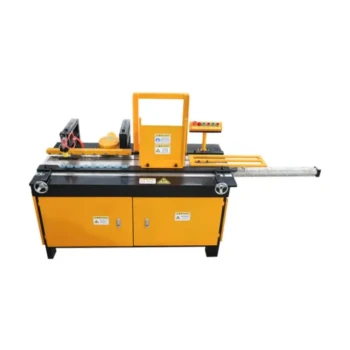
- High-Performance Hardware: Specialized hive-making machinery and precision-engineered hives with superior thermal properties.
- Essential Wintering Supplies: High-quality insulation blankets and industry-standard consumables to stabilize hive microclimates.
- Advanced Monitoring Tools: Professional equipment to track hive health without disrupting thermal seals.
From honey-filling machines to honey-themed cultural merchandise, we provide the full spectrum of tools needed for commercial success. Contact HONESTBEE today to secure your wholesale supply and boost your apiary's efficiency.
References
- Martina Calovi, Sarah Goslee. Summer weather conditions influence winter survival of honey bees (Apis mellifera) in the northeastern United States. DOI: 10.1038/s41598-021-81051-8
This article is also based on technical information from HonestBee Knowledge Base .
Related Products
- Beehive Handle and Frame Rest Cutting Machine: Your Specialized Hive Machine
- HONESTBEE Professional Long Handled Hive Tool with Precision Cutting Blade
- Steel Round Disc Entrance Reducer for Flexzion Bee Hive Nuc Box Gate
- Ergonomic Plastic Frame Spacer Tool for Rapid Hive Management Beekeeping
- Professional Bee Frame Machine for Side Bar Shaping
People Also Ask
- What is the importance of specialized beehive-making machinery? Ensure Precision for Sensor-Based Hive Monitoring
- How do bee hive handles facilitate the evaluation of food stores? Use the Lift Test for Winter Survival
- How do specialized beehive handling machines contribute to efficiency? Streamline Your Mobile Beekeeping Logistics
- How do professional beehive and frame manufacturing machines contribute to commercial apiary management? Boost Efficiency
- What are the standard dimensions for frame rests in a beehive? Essential Guide for Perfect Bee Space