Beekeeping gloves offer protection primarily by establishing a durable physical barrier between your skin and the bee's stinger. This layer prevents the stinger from penetrating the flesh, neutralizing the immediate threat of pain and injury during hive inspections.
While the obvious function of gloves is preventing physical pain, their true value lies in enabling confidence. By removing the fear of injury, gloves allow you to focus entirely on delicate hive management without distraction.
The Mechanics of Protection
Creating a Physical Shield
The fundamental mechanism of a beekeeping glove is the physical barrier. Quality gloves are constructed from materials dense enough to stop a stinger from reaching the skin.
This barrier allows you to work directly with the colony, handling bees and frames without the constant threat of a painful sting.
Preventing Reflexive Reactions
The protection offered by gloves extends beyond the skin to your neuromuscular reactions. An unexpected sting often causes an involuntary flinch or jerk of the hand.
By preventing the sting, gloves eliminate this reflex. This ensures you maintain a steady grip on your equipment at all times.
Protecting the Colony
Ironically, wearing gloves to protect yourself also protects your bees.
If a beekeeper flinches from a sting, they risk dropping heavy frames or sharp tools. This can crush bees or damage the comb; gloves prevent these accidents by ensuring your hands remain stable.
The Psychological Advantage
Focus and Confidence
Fear is a distraction. When you are worried about getting stung, your focus shifts from the health of the hive to your own safety.
Gloves provide the psychological security needed to work with confidence. This mental state allows you to inspect the hive thoroughly rather than rushing to finish the job.
The Calmness Loop
Bees are sensitive to the demeanor of the beekeeper. A nervous, jerky beekeeper can agitate the colony.
Because gloves make you feel safer, you remain calmer. This emotional stability helps keep the bees calm, creating a safer environment for everyone involved.
Understanding the Trade-offs
Loss of Dexterity
There is a valid debate regarding the use of gloves because they inherently reduce tactile sensitivity.
Even the most flexible gloves add bulk to your fingers. This can limit mobility, making it more difficult to handle delicate frames or pick up queen cages.
The Risk of Clumsiness
Thick gloves can sometimes lead to clumsiness due to this lack of sensation.
Some beekeepers argue that the loss of touch makes them more likely to accidentally squish bees, which releases alarm pheromones. Therefore, finding a balance between protection and dexterity is a critical skill.
Making the Right Choice for Your Goal
While the choice often comes down to personal preference, most experts recommend having gloves available regardless of your style.
- If your primary focus is building confidence: Wear quality gloves to eliminate fear, ensuring you don't drop frames or harm the bees due to a reflexive flinch.
- If your primary focus is maximum dexterity: You may choose to work without gloves to improve handling precision, but keep a pair nearby as a backup for difficult hives.
The best protective gear is the kind that allows you to work safely, calmly, and effectively.
Summary Table:
| Protection Mechanism | Benefit to Beekeeper | Benefit to the Colony |
|---|---|---|
| Physical Barrier | Prevents stinger penetration and pain | Reduces the risk of dropped frames |
| Reflex Control | Eliminates involuntary flinching/jerking | Prevents accidental crushing of bees |
| Psychological Shield | Enhances focus and working confidence | Keeps bees calmer via steady movement |
| Durable Materials | Long-lasting protection for high-volume work | Minimizes alarm pheromone release |
Elevate Your Commercial Apiary with HONESTBEE
At HONESTBEE, we understand that professional beekeeping requires the perfect balance of protection and precision. As a premier partner for commercial apiaries and distributors, we offer a comprehensive wholesale range designed to scale your operations. From specialized beekeeping tools and protective gear to industrial honey-filling machines and hive-making equipment, we provide the hardware and consumables you need to thrive.
Whether you are stocking a distribution network or managing thousands of colonies, HONESTBEE delivers the quality and reliability your business demands. Contact us today to explore our wholesale catalog and custom equipment solutions!
Related Products
- Beekeeping Gloves Goatskin Leather with Long Cotton Sleeve for Beekeepers
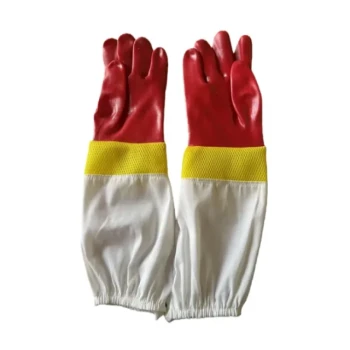
- Heavy Duty Red Rubber Beekeeping Gloves with Vented Mesh Cotton Sleeves
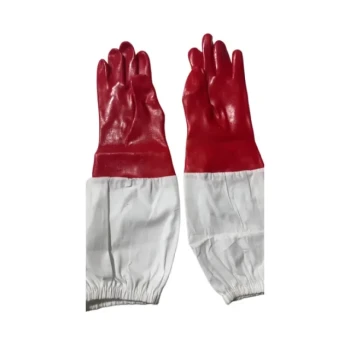
- Heavy Duty Red Rubber Beekeeping Gloves with Extended Pure Cotton Sleeves for Beekeepers
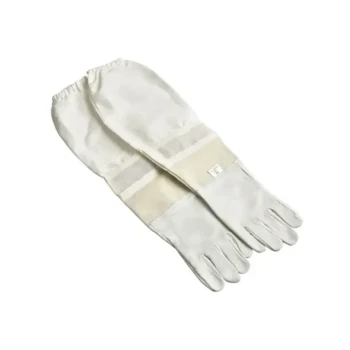
- Goatskin Leather Beekeeper Gloves with Vent Long Sleeve for Beekeeping Honey Bee Sting Proof Protection
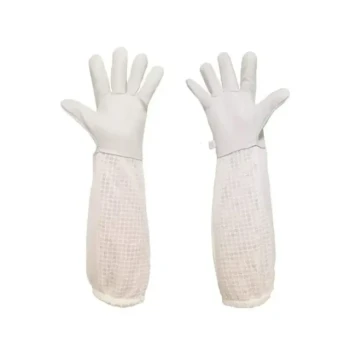
- Premium Ventilated Goatskin Beekeeping Gloves with Full 3-Layer Mesh Sleeve
People Also Ask
- What are the characteristics of the best gloves for beekeeping? Choose Protection & Dexterity
- What are the primary purposes of using beekeeping gloves? Protect Your Hands and Ensure Apiary Hygiene
- What types of gloves are available for beekeeping? Choose the Right Protection for Your Hive
- Why is it important for beekeepers to wear gloves? Essential Safety and Confidence for Hive Management
- Why do some experienced beekeepers opt not to wear gloves? Discover the Benefits of Tactile Precision