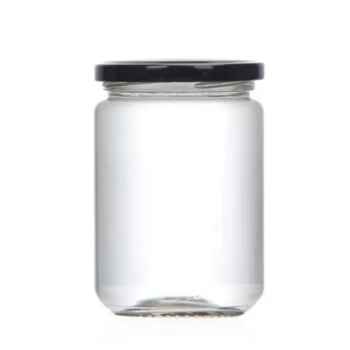
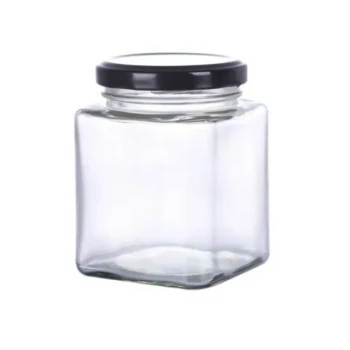
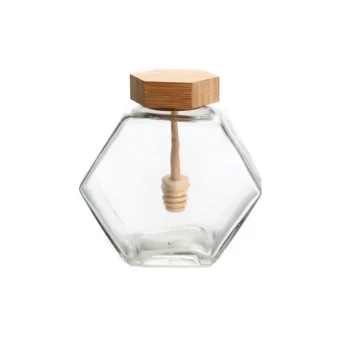
Capped glass jars function primarily by creating a controlled, semi-anaerobic environment essential for the fermentation of bee feed. By restricting oxygen exposure, these vessels facilitate the proliferation of lactic acid bacteria, while the inert nature of the material prevents chemical contamination during the acidification process.
The core value of using capped glass jars lies in their ability to combine a sealed, oxygen-limited environment for bacterial growth with the chemical stability required to maintain feed purity during acidic reactions.
Creating the Ideal Microbial Environment
The Semi-Anaerobic State
The primary function of capping the jar is to limit the ingress of fresh oxygen.
This creates a semi-anaerobic reaction space, which is a critical requirement for specific types of fermentation.
Proliferation of Lactic Acid Bacteria
In this oxygen-restricted environment, lactic acid bacteria can thrive.
These bacteria are the key agents in preparing the feed, and their growth is significantly hampered in fully aerobic (oxygen-rich) environments.
Material Advantages of Glass
Chemical Stability
Fermentation is an acidic process, which can be corrosive to certain materials.
Glass provides exceptional chemical stability, ensuring that it does not react with the lowering pH of the bee feed.
Preventing Contamination
Unlike certain plastics or metals, glass ensures no impurities leach into the feed.
This maintains a sterile baseline, ensuring that the only chemical changes occurring are the ones driven by the beneficial microbes.
Monitoring Process Quality
Visual Observation
The transparency of glass offers a distinct functional advantage over opaque containers like ceramic crocks or stainless steel.
It allows for direct, visual observation of the internal reaction without the need to open the cap and break the anaerobic seal.
Indicators of Progress
You can track the fermentation stage by observing gas bubbles.
These bubbles are a byproduct of microbial activity; their presence and vigor serve as a reliable visual indicator that the fermentation is proceeding correctly.
Understanding the Trade-offs
Managing Internal Pressure
Because the jars are capped to create a semi-anaerobic space, gas production can lead to pressure buildup.
While the reference highlights the benefit of the capped environment, operators must be aware that fermentation produces gas, and a completely unvented jar could potentially crack under pressure if not managed (e.g., "burping" the jar).
Fragility and Handling
While chemically superior, glass lacks the mechanical durability of plastic or metal.
Great care is required during handling, as the weight of the feed combined with the slick surface of glass increases the risk of breakage.
Making the Right Choice for Your Goal
## Ensuring Success in Bee Feed Preparation
To maximize the effectiveness of this method, align your equipment choice with your specific objectives:
- If your primary focus is feed purity: Rely on glass for its chemical inertness to ensure absolutely no impurities contaminate the acidic environment.
- If your primary focus is process monitoring: Utilize the transparency of the jar to verify the presence of gas bubbles, ensuring the lactic acid bacteria are active before feeding.
By leveraging the inert and transparent properties of glass, you ensure a safe, observable, and biologically active feed for your colony.
Summary Table:
| Feature | Function in Fermentation | Benefit for Bee Feed |
|---|---|---|
| Capped Seal | Restricts oxygen (Semi-anaerobic) | Promotes growth of lactic acid bacteria |
| Glass Material | Chemical inertness & stability | Prevents contamination during acidification |
| Transparency | Visual monitoring of gas bubbles | Allows progress tracking without breaking seal |
| Inert Surface | Zero leaching of impurities | Maintains feed sterility and safety |
Elevate Your Apiary Operations with HONESTBEE
At HONESTBEE, we understand that high-quality bee feed is the foundation of a healthy colony. As a leading provider for commercial apiaries and distributors, we offer a comprehensive wholesale selection of beekeeping tools, specialized machinery, and essential consumables.
Whether you need precision honey-filling machines for your harvest or high-performance equipment to streamline your feed preparation, we provide the industrial-grade solutions you need to scale. Our portfolio ranges from specialized hardware to honey-themed merchandise, ensuring your business stays competitive and efficient.
Ready to upgrade your equipment? Contact us today to explore our wholesale offerings and discover how our expertise can support your commercial success.
References
- Juliana Pereira Lisboa Mohallem Paiva, M. M. Morais. A Short Note on an Artisanal Incubator for Fermentation of Apis mellifera Artificial Diets. DOI: 10.13102/sociobiology.v66i4.4892
This article is also based on technical information from HonestBee Knowledge Base .
Related Products
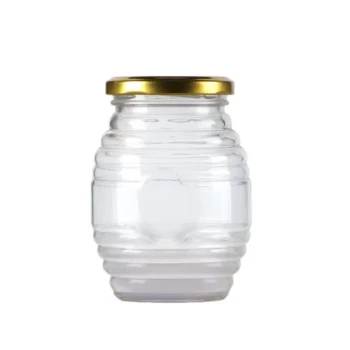
- Classic Glass Honey Jar with Metal Lug Cap for Beehive Storage
- Squeezable No-Drip Beehive-Shaped Honey Jars with Flip-Top Cap
- Classic Boardman Entrance Bee Feeder Hive Front Feeding Solution
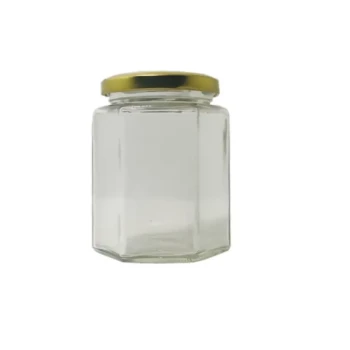
- Hexagonal Glass Honey Jars with Metal Lug Caps Elegant Versatile Packaging
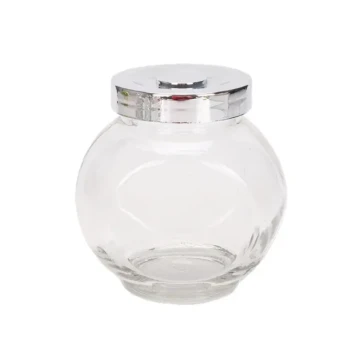
- Classic Drum Shaped Glass Honey Jar with Airtight Lid
People Also Ask
- What are the benefits of glass jars regarding strength and safety for storing honey? Ensure Purity and Long-Term Quality
- What are the advantages of using glass jars for honey storage? Ensure Purity and Premium Appeal for Your Product
- What are the benefits of using high-transparency Glass Jars for honey? Elevate Purity and Premium Branding
- What is the aesthetic appeal of using glass jars for honey? Elevate Your Brand with Premium Packaging
- Which container is best for storing honey? Preserve Purity & Flavor with the Right Choice