Drone brood frames and uncapping tools control Varroa mites by turning the bees’ natural brood biology against the parasite. A drone brood frame provides larger drone cells that attract Varroa females seeking suitable reproduction sites. After the cells are capped, the beekeeper removes the frame or opens it with an uncapping fork, taking the infested larvae and mites out of the colony before adult drones emerge.
The strategy is a physical mite trap: concentrate Varroa reproduction in removable drone brood, then eliminate the sealed brood through freezing, destruction, or mechanical uncapping. It reduces mite pressure without introducing chemical residues into honey or comb.
How Drone Brood Trapping Works
Why Varroa Mites Prefer Drone Brood
Varroa mites generally prefer drone brood over worker brood because drone larvae develop for a longer period. The extended capped stage gives the mites more time to reproduce before the adult bee emerges.
This preference allows beekeepers to create a targeted collection point for mites rather than treating every brood cell or relying exclusively on colony-wide chemical applications.
How the Drone Frame Attracts Mites
A specialized drone brood frame or foundation sheet contains larger cell impressions that encourage worker bees to build drone comb. The queen then lays unfertilized eggs in these cells when the colony is producing drones.
As the drone brood develops, Varroa females enter the cells before capping and reproduce alongside the larvae. The frame therefore functions as a sacrificial brood compartment and a physical trap.
Why Removal Timing Matters
The frame should be removed after the drone cells are capped and mites are inside, but before adult drones emerge. Removing it too early may fail to capture a meaningful mite population, while leaving it too long allows infested drones and mature mites to return to the colony.
Operators must therefore monitor brood development and maintain a consistent removal schedule during the colony’s drone-rearing period.
How Uncapping Tools Complete the Control Method
What an Uncapping Fork Does
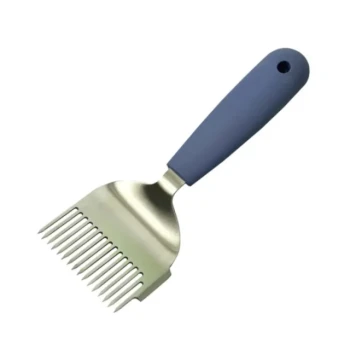
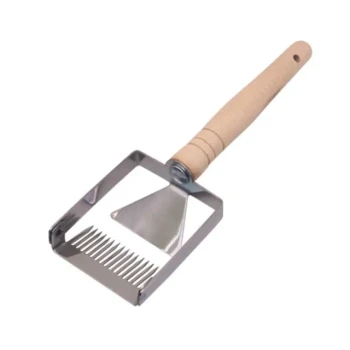
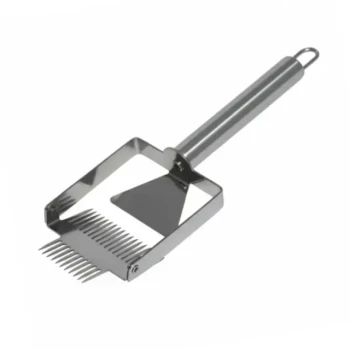
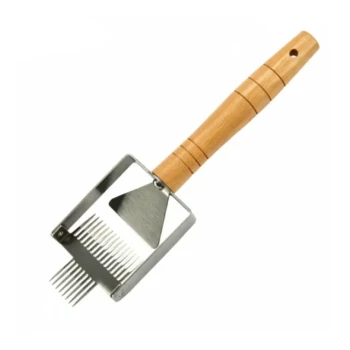
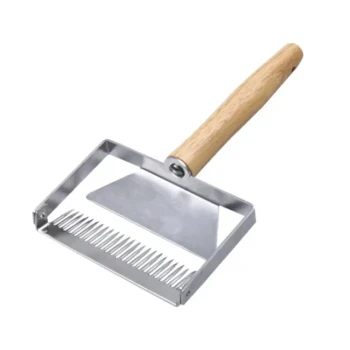
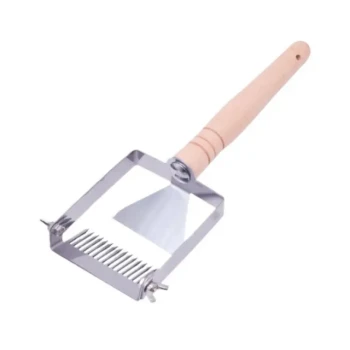
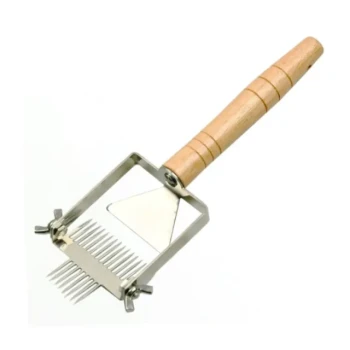
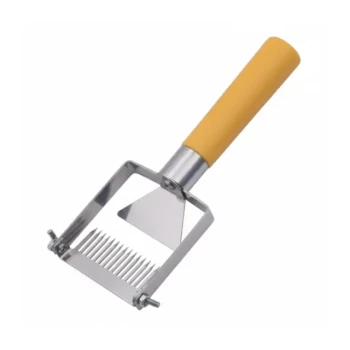
An uncapping fork has narrow tines designed to lift or pierce the wax covering drone cells. This exposes the larvae and the reproductive mites inside the capped brood.
The beekeeper can then remove the opened brood, larvae, and visible mites from the hive. The tool does not chemically kill Varroa; it enables mechanical access and physical removal.
Mechanical Removal Versus Freezing
There are two principal ways to process the removed drone brood:
- Freezing: The entire frame is frozen to kill the brood and mites before the comb is returned or handled according to the apiary’s sanitation procedures.
- Uncapping and excision: The capped cells are opened with a specialized fork, and the infested larvae and associated mites are removed or destroyed.
Freezing preserves the structure of the frame for later use, while uncapping tools can be useful when operators need to inspect infestation levels or remove only a defined section of brood.
The Monitoring Function
Drone brood frames can also provide a practical Varroa monitoring point. Examining opened drone cells helps beekeepers assess whether mites are present and whether the colony’s mite pressure is increasing.
Monitoring alone does not control the infestation. The frame becomes a control tool only when the infested brood is removed and processed before mites complete their reproductive cycle.
Why This Is a Biotechnical Control Strategy
It Uses Pest Biology Instead of Chemicals
Biotechnical control modifies or exploits a natural biological process to suppress a pest. In this case, the beekeeper uses Varroa’s preference for drone brood to concentrate reproduction in removable comb.
The method is therefore biological and mechanical in operation, rather than dependent on an acaricide or other chemical treatment.
It Removes the Reproductive Baseline
Varroa populations increase when reproductive mites remain in capped brood and newly matured mites return to the colony. Repeated drone brood removal interrupts this cycle by removing mites before they can emerge with adult drones.
The goal is not necessarily to eliminate every mite in one operation. It is to lower the reproductive population repeatedly, slowing colony-wide growth during periods of high drone production.
It Protects Hive Products From Added Residues
Because the process does not require a chemical miticide, it avoids adding treatment residues through this particular control step. This can support honey and wax quality objectives, including production systems that seek reduced chemical intervention.
However, residue-free operation depends on the complete management program, including any other treatments, equipment handling, and wax sources used in the apiary.
Understanding the Trade-offs
The Method Requires Precise Management
Drone brood trapping is labor-dependent. Frames must be installed, inspected, timed, removed, and processed consistently.
Poor timing can reduce effectiveness and may allow infested drones to emerge. Distributors and resellers should therefore treat frame supply, compatible foundation, and beekeeper guidance as part of the product solution.
It Does Not Replace All Varroa Management
Drone brood removal targets mites reproducing in drone cells, but mites may also be present in worker brood or on adult bees. A colony can therefore retain a significant infestation even after successful drone brood removal.
The method should be integrated into a broader monitoring and Varroa management program rather than presented as a universal replacement for every other control measure.
Drone Brood Is a Limited Resource
The strategy is most useful when the colony is actively producing drone brood. Its effectiveness may be reduced when drone brood production is minimal or when colony conditions do not support regular drone comb construction.
The primary reference indicates that removal can eliminate over 90% of Varroa mites in a single cycle when worker brood is minimal. That is a conditional result, not a general guarantee for every colony or season.
Improper Processing Can Undermine Results
Removed frames must be frozen or otherwise processed so that surviving mites and brood cannot return to the hive. Simply taking a frame out temporarily, opening cells without removing the contents, or leaving infested material accessible can compromise the control objective.
Safe handling also requires attention to colony hygiene and the disposal or reuse of removed brood.
Making the Right Choice for Your Goal
The best product configuration depends on whether the priority is routine mite suppression, inspection, operational efficiency, or a broader low-chemical management program.
- If your primary focus is routine Varroa suppression: Use removable drone brood frames with compatible drone foundation and schedule removal after capping but before adult drones emerge.
- If your primary focus is infestation monitoring: Pair drone frames with an uncapping fork so operators can inspect capped cells and assess mite presence before processing the brood.
- If your primary focus is reduced chemical intervention: Use repeated drone brood removal as one component of an integrated management plan, while continuing to monitor mites in both brood and adult bees.
- If your primary focus is commercial distribution: Offer frames, drone foundation, uncapping tools, and processing guidance as a coordinated product range supported by reliable availability and rapid fulfillment.
- If your primary focus is operational efficiency: Select frames that fit existing hive equipment and establish a clear inspection and removal routine across apiaries.
When correctly timed and consistently managed, drone brood frames and uncapping tools convert Varroa’s reproductive preference into a practical, non-chemical control opportunity.
Summary Table:
| Component | Function | Role in Varroa Control |
|---|---|---|
| Drone Brood Frame | Provides larger cells to attract mites | Concentrates Varroa reproduction in removable comb |
| Uncapping Fork | Pierces and lifts wax cappings | Exposes larvae and mites for mechanical removal |
| Freezing/Processing | Kills brood and mites | Ensures mites do not return to the colony |
| Timely Removal | Removes frame after capping before emergence | Prevents new mites from emerging with drones |
Upgrade your Varroa management with HONESTBEE's premium drone brood frames and uncapping tools. Our wholesale supply ensures rapid delivery and dedicated support for commercial apiaries and distributors. Contact us today to boost your efficiency and profitability!
Related Products
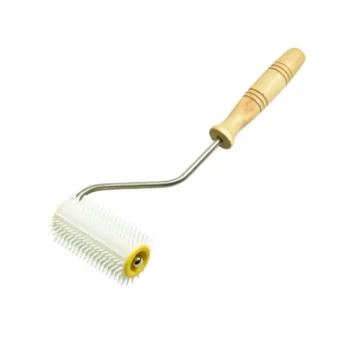
- Lightweight Plastic Uncapping Roller with Tines
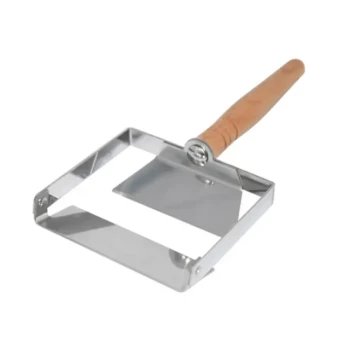
- Stainless Steel Dual Blade Uncapping Plane
- Professional Multi-Function Uncapping Fork with Ergonomic Rubber Grip
- Professional Multi-Function Uncapping Fork with Integrated Blade for Beekeeping
- Professional Stainless Steel Uncapping Fork with Wooden Handle
People Also Ask
- How does an uncapping roller work for uncapping honey frames? A Guide to Wax Preservation Beekeeping
- What is the role of an uncapping roller in Varroa mite assessment? Boost Colony Health with Efficient Mite Control
- What are the benefits of using an uncapping roller? Save Bee Energy and Boost Hive Productivity
- How does an uncapping roller work on honey frames? Efficient Wax Preservation for Better Beekeeping
- What are the drawbacks of using an uncapping roller? Overcome Inefficiency in Honey Extraction