Food-grade packaging and professional sealing labels elevate honey products by ensuring long-term shelf stability, establishing brand credibility, and facilitating the transition from low-margin bulk sales to high-premium retail markets. These components provide a critical barrier against moisture and contamination while delivering the traceability required for international trade and high-end consumer trust.
Professional packaging systems act as the primary value multiplier for honey products, converting raw agricultural output into a market-ready asset. By combining airtight preservation with certified labeling, distributors can command higher margins and ensure product integrity throughout the global supply chain.
Protecting Product Integrity and Extending Shelf Life
Prevention of Moisture and Fermentation
Honey is naturally hygroscopic, meaning it aggressively absorbs moisture from the environment. Food-grade containers provide an absolute airtight seal that prevents water absorption, which would otherwise lead to yeast growth and fermentation.
Maintaining Biological Activity and Flavor
High-quality storage materials protect the delicate enzymes and natural aromas of honey from oxidation. This preservation ensures that the biological activity and sensory profile remain intact from the point of harvest to the end consumer.
Minimizing Crystallization and Spoilage
Consistent sealing technology prevents the introduction of air and contaminants that accelerate abnormal crystallization. By maintaining a stable internal environment, these containers extend shelf life and reduce the risk of product loss during long-term storage or inter-regional transport.
Driving Market Value Through Traceability and Branding
Transitioning from Bulk to Premium Retail
Professional packaging is the essential consumable required to move honey from the low-priced bulk wholesale sector into high-value retail models. This shift allows distributors to capture significantly higher retail margins by presenting a finished, consumer-ready product.
The Power of Standardized Labeling
Professional labels provide more than just aesthetics; they offer essential traceability including origin, harvest dates, and quality certifications. These markers serve as a "credibility endorsement," distinguishing premium local honey from lower-quality imported substitutes.
Meeting Global Trade Standards
A standardized labeling and sealing system ensures that honey products meet the strict entry requirements for international markets. Including testing indicators such as moisture content (below 18%) and HMF levels (below 20 mg/kg) on the label builds immediate trust with B2B buyers.
Optimizing the Supply Chain for Distributors
Enhancing Logistic Durability
Specialized honey containers are designed to withstand the rigors of modern logistics, preventing leakage and secondary contamination. This durability is critical for minimizing insurance claims and ensuring that shipments arrive at their destination in pristine condition.
Brand Differentiation in a Crowded Market
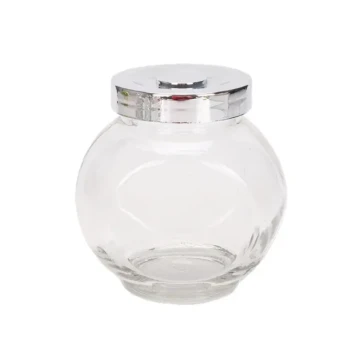
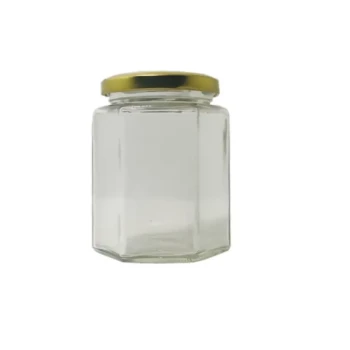
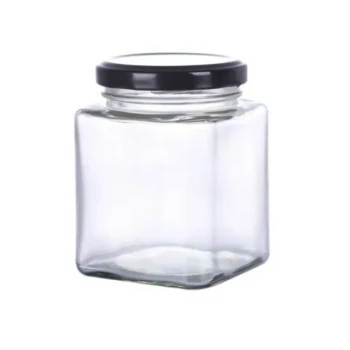
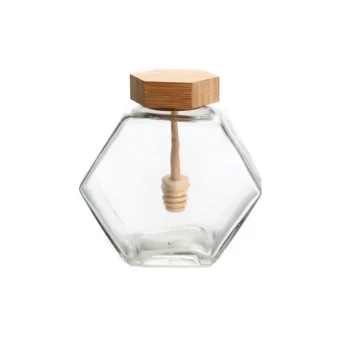
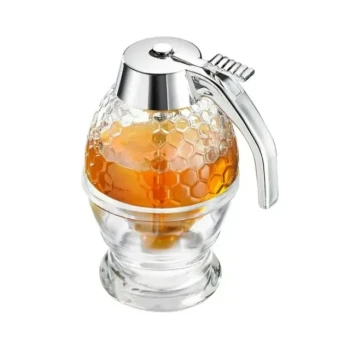
Advanced packaging allows for unique container shapes and aesthetic designs that drive brand differentiation. When paired with anti-counterfeiting features on the labels, these systems protect the brand’s reputation and market share.
Rapid Order Fulfillment and Sourcing
For wholesalers, utilizing a one-stop sourcing model for both honey and its specialized packaging streamlines the supply chain. This integrated approach allows for faster response times and more efficient order fulfillment in competitive trading environments.
Understanding the Trade-offs and Pitfalls
Material Costs vs. Perceived Value
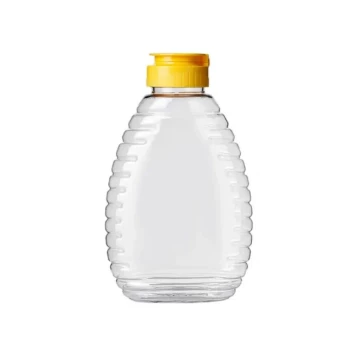
While glass offers superior perceived value and oxygen barriers, it increases shipping weight and breakage risks. High-quality PET plastics are often more cost-effective for large-scale distribution but may have a different impact on brand positioning in premium "luxury" segments.
The Risk of Substandard Seals
Inexpensive sealing solutions often fail under pressure changes during air transport or temperature fluctuations in warehouses. A failed seal leads to moisture ingress and fermentation, which can result in the total loss of a shipment and damage to the distributor's reputation.
Compliance Overlooked
Using labels that do not comply with the specific regulations of the destination country can lead to customs seizures. Distributors must ensure that their labeling systems are flexible enough to adapt to different regional legal requirements regarding nutritional information and origin claims.
Making the Right Choice for Your Business Goal
To maximize the commercial potential of your honey portfolio, your packaging strategy should align with your specific market objectives:
- If your primary focus is international export: Prioritize high-barrier containers and labels that feature comprehensive testing certifications and multi-language traceability data.
- If your primary focus is retail brand building: Invest in unique container shapes and professional graphic design for labels to ensure maximum shelf impact and consumer recognition.
- If your primary focus is supply chain efficiency: Opt for standardized, stackable, and impact-resistant food-grade plastics that integrate seamlessly with automated filling and labeling equipment.
By integrating professional packaging and labeling, honey transitions from a simple commodity into a high-performance retail product capable of capturing maximum market value.
Summary Table:
| Feature | Value-Add Mechanism | Business Impact |
|---|---|---|
| Airtight Seals | Prevents moisture ingress & fermentation | Extends shelf life & reduces product loss |
| Traceability Labels | Displays origin, HMF levels, & certifications | Builds consumer trust & enables premium pricing |
| Standardized Design | Meets international trade & customs regulations | Facilitates global export & rapid market entry |
| Durable Materials | High-impact PET or reinforced glass | Minimizes transport damage & insurance claims |
Scale Your Honey Business with HONESTBEE
Transitioning from bulk sales to high-margin retail requires more than just honey—it requires a professional supply chain partner. HONESTBEE specializes in empowering commercial apiaries and B2B distributors with a comprehensive, one-stop sourcing solution.
From food-grade containers and precision labeling systems to specialized honey-filling machinery and hive-making equipment, our full-spectrum portfolio is designed for rapid fulfillment and superior performance.
Why partner with us?
- Maximize Profit Margins: High-quality retail packaging ready for premium markets.
- Expert Industry Guidance: Deep technical knowledge in honey processing and storage.
- Ultra-Fast Fulfillment: Efficient order processing to keep your supply chain moving.
- Reliable Global Shipping: Durable packaging solutions that survive the rigors of international trade.
Ready to elevate your brand and optimize your sourcing? Contact our expert team today to discuss wholesale opportunities and OEM/ODM support.
References
- Frisca Dewi Yunadi, Gadizza Muslimah. Pemberdayaan Masyarakat melalui Pengembangan Kelompok Ternak Lebah Madu untuk Penguatan Ekonomi Lokal Berbasis Produk Alam : Madu. DOI: 10.36312/tc54q653
This article is also based on technical information from HonestBee Knowledge Base .
Related Products
- Food Grade Plastic Honey Bucket Pail for Beekeeping
- Classic Drum Shaped Glass Honey Jar with Airtight Lid
- Hexagonal Glass Honey Jars with Metal Lug Caps Elegant Versatile Packaging
- Modern Square Glass Honey Jar with Twist Off Lid
- Classic Round Glass Honey Jar with Lid
People Also Ask
- What key operational precautions should be taken when using honey buckets and extractors fitted with bottom drain taps?
- What functions do food-grade honey buckets perform? Safeguard Your Harvest and Optimize Apiary Logistics
- Why are food-grade plastic buckets preferred for honey? Protect Quality with Modern Honey Collection Tools
- What is the significance of food-grade plastic honey collection buckets? Boost Quality in Forest Honey Logistics
- What is a honey pail? The Essential Container for Protecting Your Honey's Value