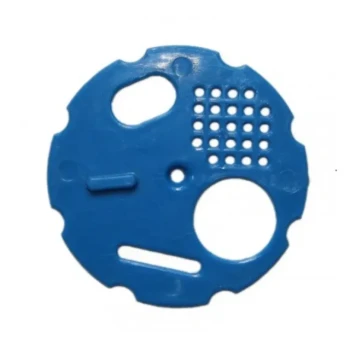
Hive entrance reducers function as a critical thermal control mechanism. By physically decreasing the total surface area of the hive's opening, they drastically limit the volume of warm air escaping into the environment. This mechanical barrier effectively insulates the internal environment against low external temperatures.
Core Insight: The primary function of the entrance reducer is energy conservation. By minimizing heat loss through the entrance, the device directly reduces the biological workload placed on the colony, lowering the caloric burn required to survive cold periods.
The Mechanics of Thermal Regulation
Restricting Air Exchange
The entrance reducer physically narrows the passageway between the hive's interior and the outside world. This reduction in the opening area acts as a throttle on airflow.
Preventing Heat Escape
Warm air naturally seeks to escape through upper and lower vents. By restricting the lower entrance, the reducer traps the internal heat generated by the colony, maintaining a stable microclimate.
The Biological Impact on the Colony
Reducing Metabolic Cost
Bees do not hibernate; they actively generate heat. A reduced entrance significantly lowers the energy bees must expend to combat the cold.
The Physiology of Heating
To produce warmth, bees engage in rapid wing vibration. This physical exertion burns through the colony's food stores (honey) at a rapid rate.
Improving Overwintering Odds
By assisting the bees in retaining heat, the colony burns fewer calories to stay warm. This conservation of energy and resources directly correlates to improved survival rates during winter or on cold mornings.
Critical Considerations
The Cost of Inaction
Without a reducer, the colony is forced to compensate for rapid heat loss through excessive physical activity. This can lead to premature exhaustion of food stores before winter ends.
Seasonal Timing
The device is specifically framed for use during winter or cold mornings. It is a targeted intervention designed to assist the colony when the temperature differential between the inside and outside of the hive is greatest.
Making the Right Choice for Your Goal
To maximize the effectiveness of your hive management during cold snaps, consider the following:
- If your primary focus is Colony Survival: Install entrance reducers prior to the onset of cold weather to minimize the caloric stress placed on the bees during the initial temperature drop.
- If your primary focus is Resource Management: Use the reducer to extend honey stores by reducing the metabolic "tax" bees pay to generate heat via wing vibration.
The entrance reducer is not just a block of wood; it is an energy management tool that bridges the gap between a bee’s biological limits and harsh environmental conditions.
Summary Table:
| Feature | Function & Impact | Benefit to Colony |
|---|---|---|
| Airflow Restriction | Limits the exchange between warm internal air and cold outside air. | Maintains a stable internal microclimate. |
| Heat Retention | Acts as a mechanical barrier to trap heat generated by the cluster. | Reduces caloric burn and honey consumption. |
| Biological Support | Minimizes the need for intense wing vibration (thermogenesis). | Prevents bee exhaustion and extends lifespan. |
| Energy Conservation | Directs energy toward survival rather than constant heat production. | Increases overall overwintering survival rates. |
Maximize Your Colony’s Survival with Professional Gear
At HONESTBEE, we specialize in empowering commercial apiaries and distributors with the high-performance tools needed to manage honeybees effectively in any climate. Whether you require precision-made entrance reducers, specialized hive-making machinery, or advanced honey-filling equipment, our comprehensive wholesale portfolio has you covered.
Partner with HONESTBEE to access:
- Industrial-Grade Machinery: From hive production to honey processing.
- Essential Consumables: A full spectrum of beekeeping tools and hardware.
- Bulk Wholesale Solutions: Tailored for large-scale operations and global distributors.
Ready to elevate your beekeeping business and protect your colonies? Contact us today to explore our full range of professional equipment!
References
- Nour Elhouda Bakri, M. Djemali. Enhancing honeybee breeding for sustainable agriculture through temperature and relative humidity monitoring. DOI: 10.30574/wjarr.2024.21.2.0412
This article is also based on technical information from HonestBee Knowledge Base .
Related Products
- Steel Round Disc Entrance Reducer for Flexzion Bee Hive Nuc Box Gate
- Beehive Entrance Reducer Guardian Metal Hive Entrance for Bees
- HONESTBEE Entrance Bee Feeder Efficient Hive Front Liquid Feeding Solution for Beekeeping
- HONESTBEE Entrance Bee Feeder Professional Hive Nutrition Solution for Beekeeping
- Professional Hive Front Entrance Bee Feeder
People Also Ask
- What is the purpose of an entrance reducer for a beehive? Strengthen Colony Defense and Prevent Robbery
- Why are entrance reducers used to counter hornet infestations? Protect Your Hive with Strategic Choke Points
- Why is it critical to maintain a smaller entrance for a newly established bee hive? Boost Colony Growth and Security
- Under what conditions should a beekeeper adjust the size of a beehive entrance? Seasonal & Defense Management Tips
- What is the function of an entrance reducer on a beehive? Strengthen Colony Defense and Climate Control