Honey-themed cultural merchandise transforms the apiculture industry from a raw commodity market into a high-value lifestyle ecosystem. These products act as powerful emotional links that bridge the gap between honey producers and the community by turning simple consumption into a deliberate lifestyle expression. By leveraging visual symbols and cultural narratives, these peripherals deepen consumer identification with beekeeping, effectively communicating the ecological and social importance of the industry.
Core Takeaway: Cultural merchandise serves as a tangible carrier for the intangible heritage of beekeeping, allowing businesses to diversify revenue streams while building a comprehensive, multi-dimensional brand identity that resonates with modern, eco-conscious consumers.
Driving Market Differentiation through Cultural Value
Converting Intangible Heritage into Tangible Assets
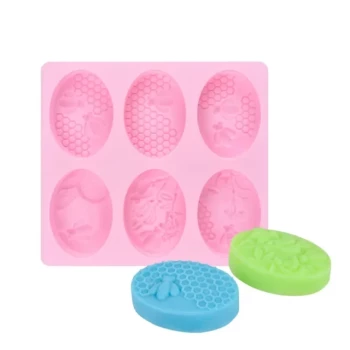
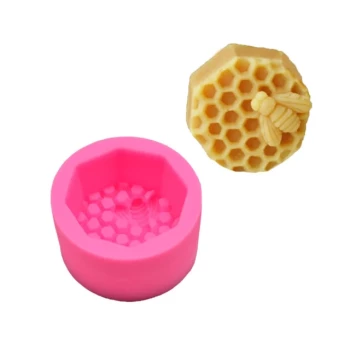
Honey-themed products, such as artisanal crafts and themed promotional materials, convert the intangible heritage of traditional beekeeping into physical goods. This transformation allows distributors to capture value beyond the price-per-kilogram of raw honey. By offering products that symbolize the biological identity of bees, you provide customers with a tangible connection to the environment.
Creating Deep Emotional Links
Peripheral products use cultural symbols to enhance consumer identification with the concept of self-produced food. These items act as a social bridge, helping producers and resellers establish stronger connections within local and global communities. This emotional resonance shifts the consumer's perception from a one-time purchase to a long-term brand commitment.
Strengthening Brand Identity
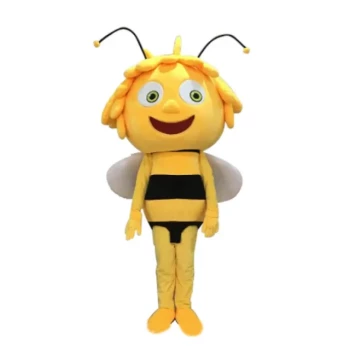
High-quality cultural merchandise and exhibition materials are indispensable tools for brand building. They attract attention in crowded markets and create a multi-dimensional brand presence that raw honey alone cannot achieve. For wholesalers, providing a full-spectrum portfolio that includes these items demonstrates deep professional expertise and industry leadership.
Expanding Market Reach and Revenue Streams
Diversification Beyond Raw Honey Sales
Cultural derivatives broaden income streams for beekeeping enterprises, providing a buffer against the volatility of honey harvests. By integrating these products, distributors can offer a comprehensive product ecosystem that appeals to various market segments. This strategy facilitates higher profitability and market recognition through high-value-added items.
Leveraging the Tourism and Cultural Markets
Honey-themed merchandise is perfectly suited for the intersection of agriculture and tourism. These products serve as souvenirs and educational tools that communicate the ecological value of agroforestry systems to a wider audience. This integration increases social recognition for the industry while opening doors to gift and tourism distribution channels.
Promoting Ecological and Social Awareness
Cultural merchandise serves as a visual medium for communicating the vital role bees play in our ecosystem. In a commercial context, these items act as carriers for environmental initiatives, often helping to fund bee conservation. This aligns your product offerings with the growing global demand for sustainable and socially responsible commerce.
Understanding the Trade-offs and Risks
The Pitfall of Low-Quality Production
Low-quality peripherals can inadvertently damage a premium honey brand’s reputation. If the cultural merchandise does not match the premium quality of the core honey product, it creates a disconnect in the consumer's mind. Distributors must ensure that their "one-stop" sourcing partners maintain high standards across the entire product spectrum.
Supply Chain Complexity and Response Times
Managing a diverse portfolio of cultural goods introduces more complexity into order fulfillment and delivery. Rapid response times and efficient logistics are critical; a delay in peripheral items can stall a comprehensive marketing campaign. Partners must demonstrate ultra-fast delivery capabilities to ensure these auxiliary products support, rather than hinder, the supply chain.
The Need for Deep Industry Expertise
Selling culture requires a deeper understanding of the industry than selling bulk commodities. Without professional expertise, a business may choose symbols or narratives that do not resonate or are culturally inaccurate. Success in this area depends on a partner’s ability to provide dedicated customer service that understands the nuances of apiculture heritage.
How to Apply This to Your Business Strategy
A successful entry into cultural merchandise requires a strategic alignment of product variety and operational excellence.
- If your primary focus is Market Penetration: Utilize a diverse range of low-cost cultural peripherals to increase brand visibility in new retail environments and gift markets.
- If your primary focus is Brand Premiumization: Invest in high-end, artisanal cultural merchandise that reinforces the "exclusive" nature of your primary honey products.
- If your primary focus is Operational Efficiency: Partner with a one-stop source that offers a full-spectrum portfolio to minimize the logistical burden of managing multiple vendors.
- If your primary focus is Corporate Social Responsibility (CSR): Focus on merchandise that highlights bee conservation and ecological sustainability to attract the modern, ethical consumer.
By integrating cultural merchandise into your portfolio, you move from being a simple supplier to a vital curator of the beekeeping legacy.
Summary Table:
| Benefit Category | Key Advantage | Impact on Business |
|---|---|---|
| Market Value | Commodity to Lifestyle | Higher profit margins and brand premiumization |
| Brand Identity | Tangible Heritage | Deep emotional connection and customer loyalty |
| Revenue Stream | Product Diversification | Stable income beyond seasonal honey harvests |
| Market Reach | Tourism & Gift Channels | Access to new retail segments and eco-conscious buyers |
| Industry Growth | Ecological Awareness | Increased social recognition and CSR alignment |
Elevate Your Inventory with HONESTBEE’s One-Stop Beekeeping Solutions
As a leading partner for distributors, wholesalers, and B2B resellers, HONESTBEE provides more than just equipment. We offer a comprehensive full-spectrum portfolio—from specialized hive-making and honey-filling machinery to high-margin honey-themed cultural merchandise.
Why partner with HONESTBEE?
- One-Stop Sourcing: Access everything from industrial tools to lifestyle peripherals in one place.
- Premium Service: Benefit from our deep industry expertise and dedicated support for OEM/ODM projects.
- Rapid Fulfillment: Enjoy ultra-fast delivery times and efficient order fulfillment to keep your supply chain moving.
- Reliability: We ensure consistent quality across all consumables and hardware to protect your brand reputation.
Contact HONESTBEE Today to diversify your offerings and maximize your profit margins with our premium trading services!
References
- E.J. Veen, J.E. Jansma. Pragmatic Prosumption: Searching for Food Prosumers in the Netherlands. DOI: 10.1111/soru.12323
This article is also based on technical information from HonestBee Knowledge Base .
Related Products
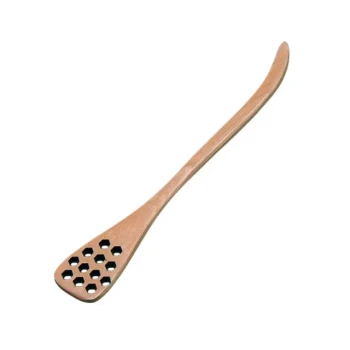
- Modern Honeycomb Pattern Wooden Honey Dipper for Stirring and Drizzling
- Heart-Shaped Comb Honey Frame and Honeycomb Cassette
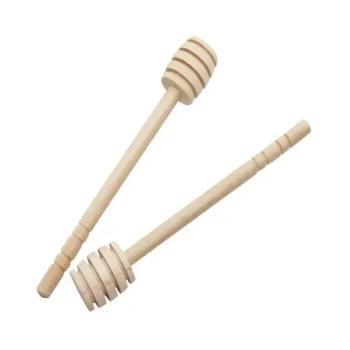
- Natural Wood Honey Dipper for Tea Coffee and Desserts
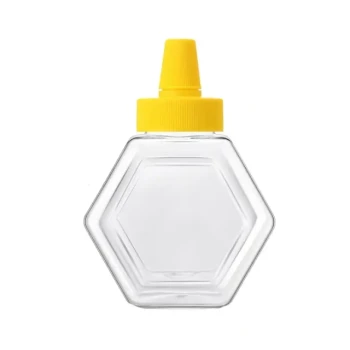
- Classic Beehive Honey Bottle Jar with Squeeze Dispenser Lid
- Honey Tank Heater Drum Heating Blanket for Honey Barrel
People Also Ask
- What is the proper method for cleaning a honey dipper? Maintain Pure Flavor with These Easy Pro Tips
- What is a honey dipper and what is it used for? A Guide to Mess-Free Drizzling
- What is a honey dipper? Master the Art of the Perfect Drizzle with This Essential Tool
- What is a honey taking spoon called? Discover the Tool for a Perfect, Mess-Free Drizzle
- How do you clean and store a honey dipper? Simple Steps for Long-Lasting Performance