Sanitizing a beehive requires more than just soap and water. Industrial blowtorches and high-pressure hot water cleaning equipment are the critical hardware used to neutralize severe biological threats in an apiary. While blowtorches utilize high-temperature flames to scorch wooden interiors and kill resilient spores, hot water systems employ thermal and mechanical force to strip old wax and contaminants from tools, creating a sterile foundation for colony health.
By combining the intense heat of a blowtorch with the scouring power of high-pressure hot water, beekeepers can effectively neutralize dangerous pathogens like American Foulbrood and remove physical contaminants that standard cleaning cannot touch.
Sterilizing Wooden Hardware
The Power of the Blue Flame
Industrial blowtorches are essential for deep sterilization because they produce a high-temperature "blue flame."
This level of heat is necessary to physically scorch the interior surfaces of wooden beehives. The scorching process burns off organic matter and penetrates the surface layer of the wood.
Targeting Resilient Pathogens
The primary goal of scorching is the destruction of microscopic threats.
Pathogens such as those causing American Foulbrood produce spores that are incredibly resilient to chemicals and mild heat. Direct exposure to the blowtorch flame ensures these spores are killed, preventing the recurrence of infectious diseases.
Deep Cleaning Tools and Accessories
Thermal and Mechanical Impact
High-pressure hot water cleaning equipment offers a dual-action approach to sanitation.
These systems typically operate at temperatures exceeding 90 degrees Celsius. The heat kills bacteria on contact, while the high pressure provides the mechanical force needed to dislodge stubborn debris.
Removing Wax and Residue
Beekeeping tools often accumulate layers of old wax, propolis, and other hive debris.
High-pressure hot water effectively melts these waxy residues. Simultaneously, the pressure strips the contaminants away, leaving tools physically clean and thermally sanitized without the need for harsh solvents.
Understanding the Trade-offs
Material Limitations
While effective, these high-intensity methods are not universal.
Blowtorches are strictly for wooden hive bodies; using them on polystyrene or plastic components will destroy the equipment. Similarly, extreme heat can warp certain plastics or weaken specific metal tempers if applied too long.
Operational Risks
Utilizing industrial-grade heating tools introduces significant safety considerations.
Operators must manage the risk of accidental fires when using blowtorches in dry environments. Furthermore, pressurized water at 90°C poses a severe scald hazard, requiring appropriate personal protective equipment (PPE) and careful handling.
Integrating These Tools into Your Apiary Management
To maximize hive health, apply these tools based on the specific material and contamination risk.
- If your primary focus is eradicating disease spores: Prioritize the industrial blowtorch to scorch wooden hive bodies, as this is the most reliable method for neutralizing American Foulbrood spores deeply embedded in the grain.
- If your primary focus is general tool maintenance: Utilize high-pressure hot water systems to strip wax and propolis from metal tools and excluders, ensuring they are free of contaminants that could harbor bacteria.
By leveraging the extreme heat of both fire and water, you establish a sanitation baseline that protects the long-term viability of your honeybee colonies.
Summary Table:
| Equipment Type | Primary Function | Key Benefit | Material Compatibility |
|---|---|---|---|
| Industrial Blowtorch | Surface Scorching | Neutralizes American Foulbrood spores | Wooden hive bodies only |
| High-Pressure Hot Water | Mechanical/Thermal Scouring | Melts wax and dislodges propolis residue | Metal tools and excluders |
Elevate Your Apiary Sanitation with HONESTBEE
For commercial apiaries and distributors, maintaining a sterile environment is the foundation of a productive colony. HONESTBEE provides the professional-grade infrastructure you need to succeed. We specialize in a comprehensive wholesale offering, ranging from specialized hive-making and honey-filling machinery to the full spectrum of beekeeping tools and consumables.
Whether you are scaling your operations or supplying the industry, our hardware ensures long-term durability and peak performance. Contact HONESTBEE today to explore our wholesale solutions and discover how our equipment can streamline your maintenance and production workflows.
References
- Giovanni Formato, Stefano Palomba. Definition and Identification of Honey Bee Welfare Practices Within the Five Domains Framework for Sustainable Beekeeping. DOI: 10.3390/app142411902
This article is also based on technical information from HonestBee Knowledge Base .
Related Products
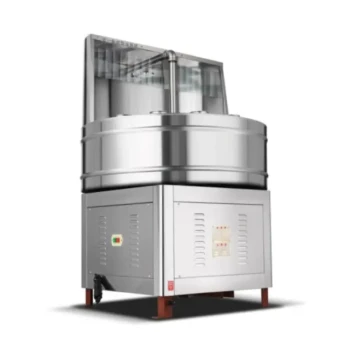
- HONESTBEE 24 Head Rotary Bottle Washing Machine
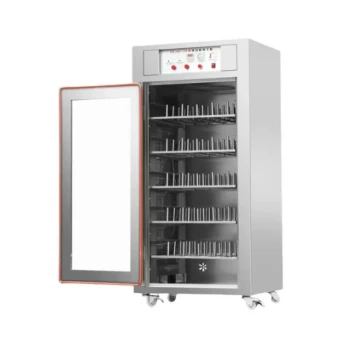
- HONESTBEE Professional Cabinet Bottle Dryer
- 0.5T Capacity Honey Dehumidifier Dryer with Vacuum Heating and Thickening Filtering Machine
- Professional Stainless Steel Honey Filtering Machine with Water Bath Heating for Beekeeping
- Premium Heat-Resistant Glass Honey Dipper
People Also Ask
- How does a bottle machine work? Master the Automated Bottling Process
- What type of product is a bottle filling machine? The Key to Automated, High-Speed Packaging
- What are the types of bottle filling machines? Find the Perfect Match for Your Product
- What is the working principle of bottle packing machine? Achieve Efficient, Automated Filling
- How does a bottle packing machine work? Automate Your Bottling Line for Peak Efficiency