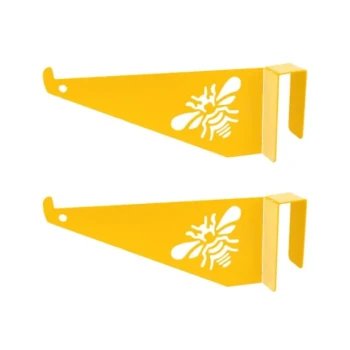
Metal grid monitoring trays function as the diagnostic "floor" of a beehive. Positioned at the bottom of the colony, these trays are designed to passively collect falling debris, specifically naturally deceased bees and Varroa mites. By preventing the colony from cleaning away this debris, the trays allow beekeepers to perform accurate counts, converting physical evidence into quantitative data regarding mite infestation levels and overall colony mortality rates.
By capturing fallen mites and debris, these trays transform abstract colony health into measurable data. This quantitative approach allows for precise timing of treatments and verification that those treatments are actually working.
The Mechanics of Quantitative Monitoring
Capturing Vital Evidence
The primary function of the metal grid tray is to intercept biological matter that falls from the combs above.
Without this tray, dead bees and mites would either be removed by worker bees or lost to the ground. The tray preserves this "evidence," allowing the beekeeper to inspect what is effectively a biological snapshot of the hive's current state.
Measuring Mite Infestation
The most critical application of this tool is tracking Varroa mite populations.
As mites die naturally or fall off their host bees, they land on the tray. By counting these fallen mites over a specific period, a beekeeper can calculate the "natural mite drop." This number serves as a reliable proxy for the severity of the infestation within the colony.
Tracking Natural Mortality
Beyond pests, the tray assists in monitoring the colony's general population health.
By counting naturally deceased bees collected on the tray, you can determine the colony's natural mortality rate. A sudden spike in dead bees may indicate issues unrelated to mites, such as pesticide exposure, starvation, or other diseases.
Validating Treatment Strategies
Determining When to Treat
Data collected from the tray moves pest control from guesswork to a schedule based on necessity.
Rather than applying chemicals blindly, beekeepers use the mite drop counts to determine if an infestation has reached a critical threshold. This prevents unnecessary chemical exposure when mite levels are low and ensures immediate action when levels spike.
Verifying Chemical Efficacy
The monitoring tray is the only way to confirm a treatment is working without opening the hive excessively.
After applying a chemical treatment, the number of fallen mites on the tray should increase significantly. If the count remains low despite treatment, it indicates that the method was ineffective or that the mites have developed resistance.
Understanding the Limitations
It Is Diagnostic, Not Curative
It is crucial to understand that the tray itself does not kill pests or cure diseases.
It is a passive observation tool. Installing the tray will not reduce the mite population; it only provides the data required for you to intervene effectively.
The Requirement of Consistency
The data provided by the tray is only valuable if collected periodically.
A single check provides little context. To assist in control effectively, the trays must be checked and cleaned regularly to establish a baseline and identify trends over time.
Making the Right Choice for Your Goal
To maximize the utility of metal grid monitoring trays, align your usage with your specific management objectives:
- If your primary focus is Pest Management: Use the mite drop counts to establish a specific numerical threshold that triggers your chemical interventions.
- If your primary focus is Treatment Verification: Check the trays 24 to 48 hours after applying a chemical agent to confirm a high mite drop, ensuring the treatment was effective.
By systematically counting what falls to the bottom of the hive, you gain the insight needed to protect what lives at the top.
Summary Table:
| Feature | Function & Purpose | Key Benefit |
|---|---|---|
| Debris Collection | Captures naturally fallen mites and dead bees | Provides a biological snapshot of hive health |
| Mite Monitoring | Measures "natural mite drop" counts | Enables precise timing for pest treatments |
| Mortality Tracking | Monitors natural bee death rates | Early detection of pesticide issues or starvation |
| Efficacy Audit | Tracks mite drop after chemical application | Verifies if treatments are actually working |
| Passive Design | Operates without disturbing the colony | Reduces stress on bees during diagnostics |
Scale Your Apiary Operations with HONESTBEE Precision Equipment
To manage commercial apiaries or supply high-quality equipment to beekeeping distributors, you need tools that deliver measurable results. HONESTBEE specializes in the full spectrum of beekeeping hardware—from precision monitoring trays and specialized hive-making machinery to high-capacity honey-filling lines and industrial consumables.
Our products are engineered to help you move from guesswork to quantitative management, ensuring your colonies or your customers' hives remain productive and disease-free. Partner with us to access professional-grade wholesale solutions tailored for the global market.
Ready to elevate your beekeeping business? Contact HONESTBEE Today to discuss our wholesale offerings and discover how our equipment can drive your success.
References
- Daniel Rolke, Wolfgang Blenau. Large-scale monitoring of effects of clothianidin-dressed oilseed rape seeds on pollinating insects in Northern Germany: effects on honey bees (Apis mellifera). DOI: 10.1007/s10646-016-1725-8
This article is also based on technical information from HonestBee Knowledge Base .
Related Products
- Metal Bee Hive Stand Bee Box Stand for Beekeeping
- Metal Hive Feet Bee Hive Stand for Ant Protection
- Heavy-Duty Stainless Steel Clip-On Frame Perch
- Reusable Aluminium Beetle Trap for Small Hive Beetles Silver Bullet
- Black Plastic Beetle Barn Hive Beetle Trap for Beehives
People Also Ask
- What height should a bee hive stand be? Optimize for Your Back and Hive Health
- What are the essential technical specifications for a high-quality bee hive stand? Maximize Stability and Hive Safety
- What are the potential risks of plastic bee hive stands? Avoid Structural Failure in Your Apiary
- What are the benefits of elevating a bee hive with a stand or base? Protect Your Colony and Your Back
- Why are specialized beehive stands or protective barriers necessary for pest management in apiaries? Secure Your Colony