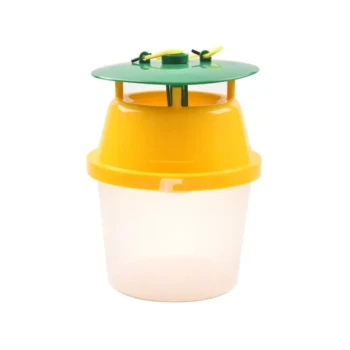
Pheromone lures function by releasing synthetic chemical signals that replicate the specific pheromones naturally produced by a queen or scout bee. When combined with a swarm trap, these lures trigger a strong biological instinct that compels the colony to voluntarily relocate into the trap, allowing for the extraction of bees from inaccessible structures without the need for physical handling or demolition.
By simulating the colony's natural communication signals, this method transforms a difficult extraction into a voluntary migration, enabling safe removal from high or complex environments.
The Biological Mechanism
Mimicking Authority
The core technology relies on chemical mimicry. The lure releases a scent profile that is virtually indistinguishable from the pheromones of a queen or scout bees.
This signals to the colony that the location is safe, desirable, or occupied by authority.
Creating Biological Attraction
Because bees operate based on these chemical cues, the attraction is instinctual and powerful.
The scent acts as a beacon, drawing the bees away from their hidden location and toward the source of the pheromone.
The Function of the Swarm Trap
A Specialized Vessel
While the lure attracts the bees, the swarm trap provides the necessary housing.
This specialized container acts as a receiving vessel, designed to hold the colony once they have investigated the scent.
Enabling Remote Removal
The combination of the lure and trap facilitates passive migration.
Instead of a technician reaching into a wall or climbing a dangerous height to grab the bees, the bees move themselves into the portable trap.
Once the colony is inside, the trap is simply closed and removed, eliminating the need for direct manual intervention at the original infestation site.
Understanding the Trade-offs
Passive vs. Active Removal
This method relies on the colony voluntarily migrating based on attraction.
Unlike vacuuming or physical removal, you are not forcing the bees out; you are persuading them to leave, which transforms the timeline of the removal.
Equipment Dependency
Success is contingent on the pairing of the lure with an appropriate specialized container.
A lure without a trap will attract bees but offers no means of containment, while a trap without a lure lacks the biological signal required to draw bees out of a complex structure.
Making the Right Choice for Your Goal
This approach shifts the workload from physical labor to biological strategy.
- If your primary focus is safety in high-risk areas: Utilize pheromone lures to draw bees out of structural voids or heights where ladders and lifts are impractical.
- If your primary focus is non-destructive removal: Rely on the voluntary migration induced by the lure to avoid tearing down walls or dismantling equipment.
By effectively mimicking nature, you turn the bees' own instincts into a tool for their removal.
Summary Table:
| Feature | Pheromone Lures | Swarm Traps |
|---|---|---|
| Core Function | Mimics queen/scout chemical signals | Provides a secure receiving vessel |
| Action Type | Biological attraction (Active) | Passive containment (Static) |
| Benefit | Triggers instinctual relocation | Enables remote, manual-free removal |
| Requirement | Must be high-quality synthetic scent | Must be durable and appropriately sized |
| Best For | Hard-to-reach or structural voids | Safe transport and relocation |
Scaling Your Beekeeping Success with HONESTBEE
At HONESTBEE, we understand the complex needs of commercial apiaries and distributors. Whether you are managing professional bee removals or stocking high-demand supplies, we provide the industrial-grade solutions you need to succeed.
Our comprehensive wholesale portfolio includes:
- Specialized Machinery: Advanced hive-making and honey-filling machines.
- Essential Equipment: Professional-grade beekeeping tools and high-efficiency swarm traps.
- Consumables & Merchandise: A full spectrum of industry essentials and honey-themed cultural goods.
Partner with HONESTBEE today to streamline your operations and access premium wholesale pricing.
References
- Michael K. O’Malley, Philip G. koehler. Removal of Swarms and Colonies for Pest Control Operators. DOI: 10.32473/edis-in778-2008
This article is also based on technical information from HonestBee Knowledge Base .
Related Products
People Also Ask
- What is the function of Pheromone Traps in the biosecurity monitoring of apiaries? Precision Tools for Pest Control
- What role do Pheromone Traps play in the IPM for Large African Hive Beetles? Essential Surveillance & Control Tips
- How do professional wasp traps function? Master Physical Control of Oriental Hornets to Protect Your Apiary
- What are the practical advantages of using professional wasp traps and protective equipment in apiary management? Scale Up
- Why replace sugar syrup bait in wasp traps every three days? Ensure Maximum Attraction and Catch Rates