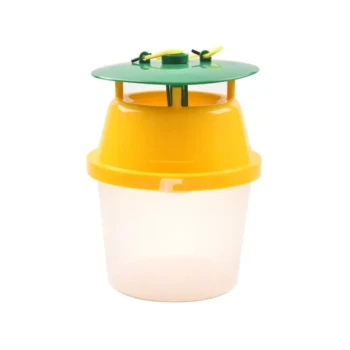
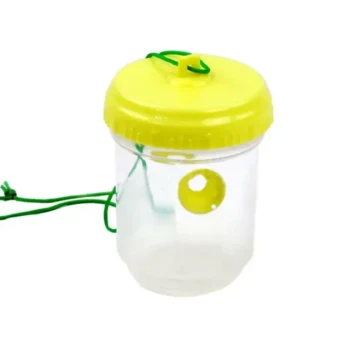
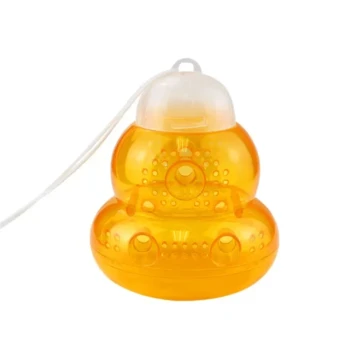
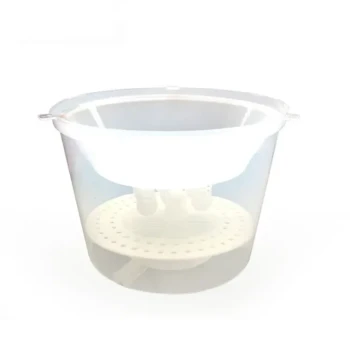
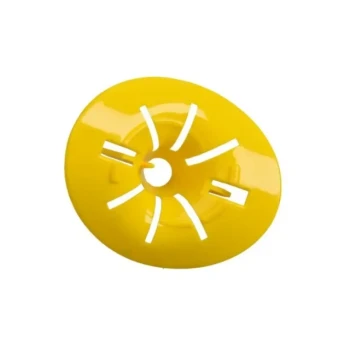
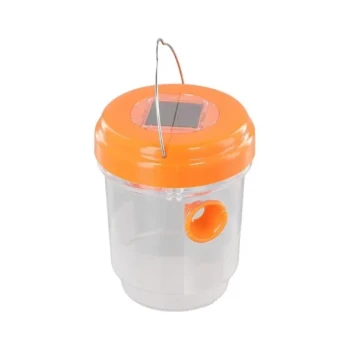
The combined application of sticky pheromone traps and ultraviolet (UV) light traps creates a multi-layered defense system against Aphomia sociella (the bee moth) by targeting the pest's adult stage. Sticky pheromone traps utilize specific chemical attractants to monitor moth activity and provide early warning data, while UV light traps exploit the pest's natural phototaxis to physically capture them. Together, these methods significantly reduce adult population density in breeding facilities, preventing the subsequent larval stage from destroying nest cells and consuming vital bee bread.
Core Takeaway: Effective control of Aphomia sociella relies on stopping the lifecycle before the destructive larval stage begins. By integrating pheromone-based monitoring with UV-based physical capture, you reduce the breeding population of adults, thereby protecting the structural integrity and food stores of bumblebee colonies.
The Mechanics of Control
Pheromone Traps: The Early Warning System
Sticky pheromone traps are primarily designed for surveillance and detection. They utilize specific biological attractants to lure adult moths.
By catching the first wave of adults, these traps provide a critical early warning of an infestation. This allows facility managers to gauge the severity of the threat and time their interventions accurately.
UV Light Traps: Exploiting Phototaxis
While pheromone traps focus on specific attraction, UV light traps utilize a broader biological mechanism known as phototaxis.
Aphomia sociella are naturally drawn to ultraviolet light sources. These traps serve as a mechanism for physical capture, actively removing large numbers of adults from the environment before they can mate.
The Strategic Impact on the Hive
Preventing Structural Devastation
The primary danger of Aphomia sociella is not the adult moth, but the larvae.
By reducing the density of adults via traps, you directly decrease the number of eggs laid in the facility. This prevents the emergence of larvae that are responsible for destroying nest cells, which compromises the physical structure of the colony.
Protecting Critical Resources
The health of a bumblebee colony depends on its nutritional reserves.
The larvae of this parasite are voracious consumers of bee bread (pollen stores). Implementing these traps preserves the colony's food supply, ensuring the bees do not starve due to parasitic competition.
Understanding the Trade-offs
Reduction vs. Elimination
It is important to view these traps as tools for density reduction rather than instant total eradication.
While highly effective at lowering pest numbers, they work best when maintained consistently. They manage the population to levels where the colony can survive and thrive, rather than guaranteeing a zero-pest environment immediately.
Specificity of Attraction
Pheromone traps are highly specific, targeting the mating drive of the pest.
In contrast, UV traps are less discriminatory. While they effectively capture Aphomia sociella, users should be aware that light traps rely on general phototaxis and do not filter targets as precisely as pheromone lures.
Making the Right Choice for Your Goal
To protect your breeding facilities effectively, align your trap usage with your specific management objectives:
- If your primary focus is Monitoring: Prioritize sticky pheromone traps to detect the initial presence of moths and gauge infestation levels.
- If your primary focus is Population Control: Deploy UV light traps aggressively to physically remove the maximum number of adults from the breeding area.
- If your primary focus is Colony Protection: Utilize both methods simultaneously to minimize adult density and prevent larval damage to nest cells and bee bread.
By attacking the adult stage of the pest from two different angles, you safeguard the future of the colony against its most destructive threats.
Summary Table:
| Feature | Sticky Pheromone Traps | UV Light Traps |
|---|---|---|
| Primary Function | Surveillance & Early Warning | Physical Capture & Removal |
| Mechanism | Chemical Attraction (Specific) | Phototaxis (General UV) |
| Target Stage | Adult Moths | Adult Moths |
| Main Benefit | Monitors infestation levels | Reduces breeding population |
| Impact on Hive | Prevents larval emergence | Protects cells & bee bread |
Maximize Your Colony Yield with HONESTBEE
Protecting your commercial apiary from parasites like Aphomia sociella requires the right tools and a reliable partner. HONESTBEE provides commercial apiaries and distributors with a comprehensive wholesale offering of professional-grade beekeeping equipment. From high-efficiency traps and hive-making machinery to honey-filling systems and essential industry consumables, we deliver the specialized hardware you need to scale your operations.
Ready to safeguard your colonies and streamline your production?
Contact HONESTBEE Today to explore our full spectrum of beekeeping solutions and wholesale opportunities.
References
- Elaine Evans, David W. Inouye. Parasites, parasitoids, and hive products that are potentially deleterious to wild and commercially raised bumble bees (Bombus spp.) in North America. DOI: 10.26786/1920-7603(2023)710
This article is also based on technical information from HonestBee Knowledge Base .
Related Products
- Professional Bucket Style Wasp and Moth Pheromone Trap
- Compact Multi-Funnel Hanging Wasp Trap
- Gourd Shaped Hanging Wasp Trap Professional Wasp Catcher
- Professional Multi-Component Bucket Wasp Trap
- Reusable Wasp Trap Bottle Converter
People Also Ask
- What is the function of Pheromone Traps in the biosecurity monitoring of apiaries? Precision Tools for Pest Control
- What role do Pheromone Traps play in the IPM for Large African Hive Beetles? Essential Surveillance & Control Tips
- How do professional wasp traps function? Master Physical Control of Oriental Hornets to Protect Your Apiary
- What are the practical advantages of using professional wasp traps and protective equipment in apiary management? Scale Up
- Why replace sugar syrup bait in wasp traps every three days? Ensure Maximum Attraction and Catch Rates