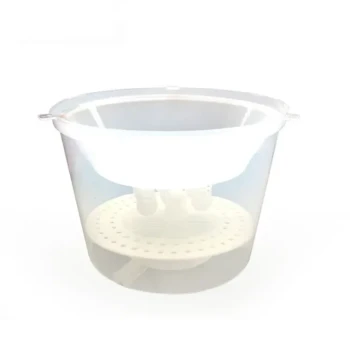
Pollen traps serve as precise mechanical filters installed directly at the hive entrance to automate the harvesting process. These devices utilize isolation grids with carefully calibrated apertures to physically strip pollen pellets from the hind legs of returning worker bees, depositing them into a collection tray while allowing the bees to enter the hive safely.
The efficiency of a pollen trap relies entirely on the geometric precision of its grid apertures. When correctly calibrated, these devices enable continuous, industrial-scale harvesting and immediate isolation of raw materials without disrupting the colony's normal breeding or movement.
The Mechanics of Interception
The Isolation Grid
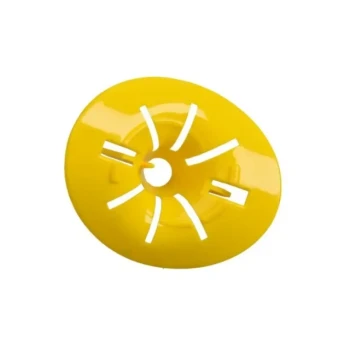
The core mechanism of a pollen trap is a physical barrier known as an isolation grid. This component is engineered with specific aperture sizes that worker bees must navigate to enter the hive.
Physical Stripping
As forager bees attempt to pass through the grid, the apertures brush against their bodies. This friction mechanically dislodges the pollen pellets carried in the pollen baskets on their hind legs.
Gravity-Fed Collection
Once dislodged, the pollen falls immediately into a specialized collection tray positioned below the grid. This design ensures that the raw material is physically separated from the bees instantly, facilitating automated accumulation.
Ensuring Quality and Safety
Precision Engineering
The diameter of the grid holes is the most critical variable in trap design. The aperture must be small enough to effectively strip the pollen, yet large enough to prevent physical injury to the bees as they squeeze through.
Moisture Control
High-efficiency traps often incorporate dry collection trays. These trays are designed to reduce the impact of environmental humidity, which preserves the biochemical activity of the pollen and prevents microbial contamination.
Industrial Scalability
By automating the separation process, these traps transform pollen collection from a manual task into a continuous operation. This makes them critical consumables for the industrial-scale production of bee products.
Understanding the Trade-offs
Collection Efficiency Limits
A pollen trap is not designed to capture 100% of the incoming resources. Effectiveness typically ranges between 30% and 70% of the total pollen brought back by foragers. This variance is necessary to ensure enough pollen remains for the colony's own nutritional needs.
Operational Risks
If the geometric control of the trap is poor, it can impede the normal passage of bees. An incorrectly sized grid can hinder colony movement, affect breeding cycles, or cause physical harm to the insects, negating the benefits of the trap.
Utilizing Traps for Strategic Goals
Resource Analysis
Beyond commercial harvesting, these traps provide essential data for research. By intercepting specific loads, beekeepers can analyze pollen diets to identify plant species and assess the abundance of floral resources in the surrounding landscape.
Hive Optimization
Data derived from trapped pollen helps operators make informed decisions about hive placement. Understanding the types of pollen collected allows beekeepers to optimize the spatial and temporal distribution of hives to better utilize the available ecosystem.
Making the Right Choice for Your Goal
To maximize the utility of pollen traps, align their usage with your specific operational objectives:
- If your primary focus is Commercial Production: Prioritize traps with dry collection trays and precise apertures to ensure high-volume, contaminant-free harvesting for industrial processing.
- If your primary focus is Colony Management: Use traps temporarily to sample pollen diversity, helping you map local floral resources and adjust hive locations accordingly.
Success in pollen trapping is defined by achieving a balance between high-yield extraction and the preservation of colony health.
Summary Table:
| Feature | Description | Impact on Efficiency |
|---|---|---|
| Isolation Grid | Calibrated apertures that strip pollen from bees | Automates the physical extraction process |
| Gravity-Fed Tray | Collection bin positioned below the grid | Ensures immediate isolation and accumulation |
| Aperture Precision | Engineered diameter for safe bee passage | Maximizes yield while protecting colony health |
| Moisture Control | Integrated dry collection trays | Preserves biochemical activity and prevents mold |
| Capture Rate | Typically 30% to 70% of incoming pollen | Balances commercial yield with hive nutrition |
Elevate Your Commercial Apiary with HONESTBEE
As a professional distributor or commercial beekeeping operation, your success depends on the precision and reliability of your equipment. HONESTBEE provides the full spectrum of industrial-grade beekeeping tools, from high-efficiency pollen traps and hive-making machinery to advanced honey-filling systems and essential consumables.
Our comprehensive wholesale offerings are designed to streamline your production, increase your harvest yield, and ensure the long-term health of your colonies. Whether you are scaling up industrial production or expanding your retail portfolio with honey-themed merchandise, we deliver the specialized hardware you need to stay competitive.
Ready to optimize your beekeeping operations? Contact us today to explore our wholesale solutions!
References
- أحمد على سید إبراهیم الدرس, بهاء فؤاد مبروک سلیمان مُقبلة. نحل العسل ومنتجاته فی محافظة بنی سویف - دراسة فی الجغرافیا الاقتصادیة. DOI: 10.21608/agj.2021.228503
This article is also based on technical information from HonestBee Knowledge Base .
Related Products
- Removable Plastic Pollen Trap With Ventilated Tray for Bees Pollen Collector
- 30 cm Plastic Entrance Hole Bee Pollen Trap and Collector
- Plastic Bee Pollen Trap Strips Comb Catcher Collector
- High-Efficiency Diamond Maze Bee Escape for Clearing Supers
- Professional Bucket Style Wasp and Moth Pheromone Trap
People Also Ask
- What are the design principles and advantages of pollen traps in the collection of bee pollen? Boost Your Apiary Yield
- What is the function of professional pollen traps in evaluating honey plants? Quantifying Pollination and Crop Potential
- What functions do pollen traps serve for bee bread production? Optimize Your Raw Material Collection
- What maintenance and pest prevention measures should be taken for pollen traps? Protect Your Hive and Harvest Quality
- How does the use of pollen traps in honeybee hives enhance crop fertilization? Boost Your Yield Through Induced Activity