Pollen traps operate as precise mechanical filters installed directly at the entrance of a beehive. By partially restricting the entry point, the device forces returning foraging bees to crawl through a series of specific wire mesh grids, star-shaped holes, or small apertures. These openings are calibrated to allow the bee's body to pass while physically scraping the pollen pellets off their hind legs, causing the pollen to fall into a protected collection tray.
By leveraging the physical size difference between a bee's body and its pollen load, these devices allow for the non-destructive harvesting of fresh pollen for commercial use, nutritional analysis, and environmental monitoring.
The Mechanics of Separation
The Physical Barrier
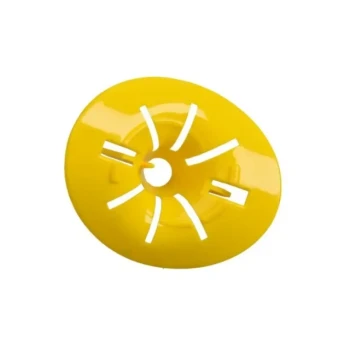
The core component of any pollen trap is the restriction grid. This is usually a wire mesh or a plastic plate featuring specific openings, such as star-shaped holes.
The Dislodging Process
As the forager bee attempts to squeeze through the grid to enter the hive, the clearance is too tight for the pollen pellets attached to her hind legs. The edges of the grid physically scrape the pellets off the bee's corbiculae (pollen baskets).
The Collection Zone
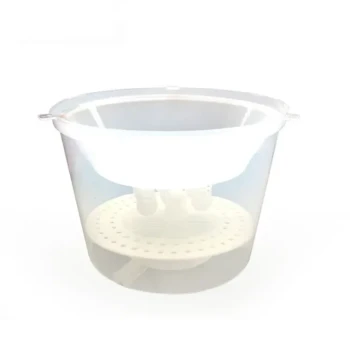
Once dislodged, the pollen falls through a protective screen into a bottom drawer or tray. This screen is critical; it allows the pollen to pass through but prevents the bees from entering the drawer to retrieve or consume the harvested pollen.
Design Variations and Materials
Material Construction
Traps are manufactured from various materials, including wood and PVC. Wooden traps are often standard for general collection, while PVC versions are frequently utilized for specific environmental sampling.
Specialized Apertures
Different designs utilize different shapes to maximize efficiency. Some modern entrance traps use plastic plates with star-shaped holes, designed to maximize the scraping effect without injuring the bee.
Why This Method Matters
Ensuring Sample Purity
Pollen collected via traps is considered "fresh" or raw. Because it is intercepted at the entrance, it has not yet been processed into "bee bread" or stored in the comb.
Avoiding Hive Contamination
Traps prevent the pollen from being exposed to the internal hive environment. This is crucial for researchers, as it ensures samples are less influenced by microbial metabolism or internal colony contaminants, making them ideal for precise nutritional or chemical analysis.
Environmental Monitoring
Because the samples represent the immediate landscape, researchers use these traps to detect pesticide residues and pollution. The trap acts as a tool to quantify environmental exposure risks within a specific timeframe.
Understanding the Trade-offs
Impact on Colony Nutrition
While traps are designed to allow the bees to enter, they remove a significant portion of the colony's protein source. Leaving a trap on for extended periods can result in nutritional stress for the hive.
Foraging Efficiency
The physical restriction forces bees to slow down significantly to navigate the grid. This can create congestion at the hive entrance and slightly hinder the overall movement of foragers.
Making the Right Choice for Your Goal
When employing pollen traps, the duration of use and the type of analysis required should dictate your strategy.
- If your primary focus is Commercial Production: Rotate the traps on and off (e.g., every few days) to harvest valuable pollen without depriving the colony of necessary protein.
- If your primary focus is Environmental Monitoring: Use PVC or sterile traps for short, specific timeframes to capture a snapshot of landscape contamination without internal hive interference.
- If your primary focus is Colony Health: Monitor the hive entrance closely for congestion and remove the trap immediately if you observe signs of population decline or stress.
Correctly calibrated pollen traps transform the beehive into a passive environmental sampling station without disrupting the colony's vital functions.
Summary Table:
| Feature | Description | Key Benefit |
|---|---|---|
| Restriction Grid | Mesh or star-shaped apertures | Precisely scrapes pollen pellets from bees' legs |
| Collection Tray | Protected bottom drawer | Prevents bees from retrieving or consuming harvest |
| Material Choice | Wood or PVC options | Durable construction for general or sterile sampling |
| Purity Control | Entrance-level interception | Captures fresh pollen before it becomes bee bread |
Elevate Your Beekeeping Operation with HONESTBEE
Maximize your harvest efficiency with professional-grade equipment tailored for growth. HONESTBEE specializes in serving commercial apiaries and distributors with a comprehensive wholesale range, from specialized pollen traps and hive-making machinery to advanced honey-filling systems and essential consumables.
Whether you are scaling your production or supplying the industry, our premium hardware and honey-themed cultural merchandise provide the competitive edge you need.
Ready to optimize your apiary’s output? Contact us today to explore our wholesale solutions!
Related Products
- Removable Plastic Pollen Trap With Ventilated Tray for Bees Pollen Collector
- 30 cm Plastic Entrance Hole Bee Pollen Trap and Collector
- Plastic Bee Pollen Trap Strips Comb Catcher Collector
- High-Efficiency Diamond Maze Bee Escape for Clearing Supers
- Professional Bucket Style Wasp and Moth Pheromone Trap
People Also Ask
- What are the design principles and advantages of pollen traps in the collection of bee pollen? Boost Your Apiary Yield
- What is the function of professional pollen traps in evaluating honey plants? Quantifying Pollination and Crop Potential
- What functions do pollen traps serve for bee bread production? Optimize Your Raw Material Collection
- What maintenance and pest prevention measures should be taken for pollen traps? Protect Your Hive and Harvest Quality
- How does the use of pollen traps in honeybee hives enhance crop fertilization? Boost Your Yield Through Induced Activity