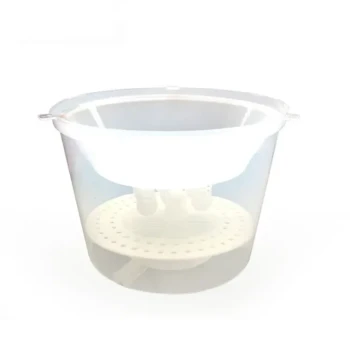
An internal wood or metal grid pollen trap functions as a precise mechanical interception system for hive management. Installed at the hive entrance, it forces returning foragers to pass through a specific grid structure that gently strips pollen pellets from their legs via friction. This device serves a dual purpose: it automates the collection of pollen for commercial use and regulates the volume of pollen entering the colony.
The pollen trap is more than just a harvesting tool; it is a mechanism for resource control. By physically limiting pollen intake, it prevents the oversaturation of combs, ensuring that adequate space remains available for brood rearing and maintaining high colony productivity.
Primary Functions and Mechanisms
Mechanical Separation via Friction
The core function of the trap relies on physical barriers—specifically, a grid of wood or metal with precise hole sizes (often around 3 cm in diameter). As worker bees navigate these apertures to enter the hive, the edges of the grid create mechanical friction against their hind legs.
This friction dislodges the pollen pellets, causing them to fall into a collection tray below. The design prioritizes non-destructive harvesting, separating the resource without harming the insect.
Preventing Hive Oversaturation
According to the primary functional analysis, a critical but often overlooked role of the trap is space management. Bees are hoarders by nature and can sometimes collect more pollen than the colony immediately requires.
By intercepting a portion of this inflow, the trap prevents pollen from clogging the combs. This preserves vital interior real estate, allowing the colony to focus on brood production and honey storage rather than managing excess protein stores.
Enabling Industrial-Grade Harvesting
For commercial operations, the trap transforms beekeeping from traditional methods to high-yield production. It allows for the continuous, automated collection of raw material.
Because the trap separates the pollen before the bees pack it into cells, the harvested product maintains a high degree of preliminary purity. This "clean" raw state is essential for further processing into medicinal products or nutritional supplements.
Research and Environmental Monitoring
Quantitative Resource Analysis
Beyond production, the trap functions as a data collection tool for researchers and advanced apiarists. By intercepting the pollen load, the trap provides physical samples of what the colony is currently foraging.
Assessing Local Flora
Analyzing the trapped pellets allows for the identification of specific plant species. This helps beekeepers understand foraging preferences and the abundance of local environmental resources across different seasons.
Understanding the Trade-offs
While the pollen trap is a valuable tool for regulation and harvest, it introduces specific stresses that must be managed.
Nutritional Balance
The most significant risk is removing too much protein from the hive. Pollen is the primary protein source for brood rearing; if the trap is left on too long or is too efficient, the colony may suffer from a nutritional deficit, stalling growth.
Physical Impediment
Although designed to be non-destructive, the grid acts as a bottleneck at the entrance. This can slow down the traffic of foraging bees, potentially reducing the overall efficiency of nectar collection if the entrance becomes congested.
Strategic Application for Beekeepers
To maximize the utility of a pollen trap, align its usage with your specific objectives.
- If your primary focus is Commercial Production: Deploy traps during peak bloom to harvest high-purity pollen for medicinal or nutritional processing, ensuring you rotate usage to allow the bees to feed themselves.
- If your primary focus is Colony Management: Use the trap intermittently to prevent pollen-bound combs, thereby freeing up cell space to maximize the queen's laying capacity and overall colony productivity.
- If your primary focus is Research: Utilize the trap to gather quantitative data on local plant biodiversity and seasonal availability without requiring invasive hive inspections.
Success relies on using the trap not as a permanent fixture, but as a calibrated tool to balance harvest yields with colony health.
Summary Table:
| Function | Mechanism | Primary Benefit |
|---|---|---|
| Resource Harvesting | Mechanical friction via grid apertures | Automates collection for commercial medicinal/nutritional use |
| Space Management | Intercepts excess pollen inflow | Prevents clogged combs; maximizes space for brood and honey |
| Colony Monitoring | Quantitative sample collection | Identifies local flora and assesses seasonal foraging health |
| Product Purity | Pre-cell separation | Ensures high-purity raw material before bees pack it into cells |
Elevate Your Commercial Beekeeping with HONESTBEE
As a dedicated partner to commercial apiaries and global distributors, HONESTBEE provides the professional-grade infrastructure you need to scale production. From high-precision internal pollen traps and hive-making machinery to specialized honey-filling equipment, our comprehensive wholesale portfolio covers the full spectrum of beekeeping tools and industry consumables.
Whether you are looking to optimize your pollen harvest or expand your inventory of honey-themed merchandise, we deliver the quality and expertise required to maximize your colony's productivity.
Ready to upgrade your apiary’s performance? Contact HONESTBEE Today for Custom Wholesale Solutions
References
- Rafael Landaverde, Jean A. Parrella. Honey Production and Climate Change: Beekeepers’ Perceptions, Farm Adaptation Strategies, and Information Needs. DOI: 10.3390/insects14060493
This article is also based on technical information from HonestBee Knowledge Base .
Related Products
- 30 cm Plastic Entrance Hole Bee Pollen Trap and Collector
- Removable Plastic Pollen Trap With Ventilated Tray for Bees Pollen Collector
- Plastic Bee Pollen Trap Strips Comb Catcher Collector
- High-Efficiency Diamond Maze Bee Escape for Clearing Supers
- Professional Multi-Component Bucket Wasp Trap
People Also Ask
- What are the design principles and advantages of pollen traps in the collection of bee pollen? Boost Your Apiary Yield
- Why is frequent harvesting of bee pollen from traps necessary for quality control? Ensure Freshness and Prevent Mold.
- How often should bee pollen be harvested from a trap and why? Master Freshness and Prevent Spoilage
- What function do pollen traps serve in quantitative collection? Boost Your Apiary's Data & Production Efficiency
- What is the primary function of bee pollen traps? Optimize Your Pollen Harvest with Advanced Extraction Efficiency