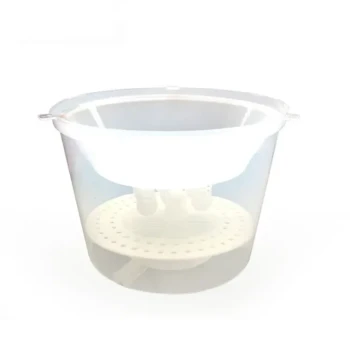
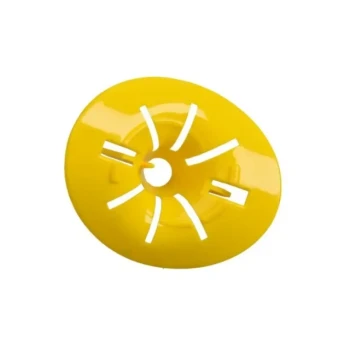
A Pollen Trap is installed at the hive entrance to mechanically intercept foraging bees and physically strip pollen pellets from their legs as they return to the colony. By forcing worker bees to squeeze through metal strips or plastic plates with precise apertures—typically 5mm or 3.75mm—the device dislodges the pollen, which then falls through a wire mesh screen into a secure collection tray.
The Pollen Trap serves as a commercial-grade filter that converts natural foraging activity into standardized biological data. It isolates pollen samples with high efficiency, enabling the precise study of plant phenology and pollen yield without requiring invasive internal hive inspections.
The Mechanics of Collection
Precision Stripping
The core function of the trap relies on strict physical tolerances. The device uses specific aperture sizes (such as 5mm or 3.75mm) that are just large enough for a worker bee to pass through, but too narrow for the pollen pellets on their hind legs to remain attached.
Ensuring Sample Purity
To be useful for floral surveys, the sample must be clean. The trap incorporates a wire mesh screening layer situated above the collection tray.
This screen separates the valuable pollen pellets from larger debris or bees, ensuring that the final material in the tray maintains the raw material purity required for scientific analysis.
Standardized Sampling
Unlike internal hive sampling, which can be inconsistent, entrance traps provide a standardized collection point. This hardware facilitates large-scale data gathering, ensuring that samples taken across different hives or times are methodologically comparable.
The Scientific Value for Surveys
Studying Plant Phenology
For researchers conducting floral resource surveys, the pollen trap is a critical tool for monitoring plant phenology. By analyzing the trapped pollen over time, scientists can map the specific blooming cycles of local flora based on what the bees bring home.
Quantifying Pollen Yield
The trap transforms vague observations into hard data. It allows for the direct measurement of pollen yield, providing a clear picture of how much resource is actually available in the environment at any given moment.
Analyzing Foraging Intensity
By intercepting these loads, researchers can quantitatively analyze colony foraging intensity. The volume and diversity of the trapped pollen serve as a direct indicator of which plants the colony is visiting and how heavily they are relying on them.
Understanding the Trade-offs
Impact on Nutritional Supply
While designed for "non-destructive" collection, the trap inherently removes a portion of the colony's protein source.
It intercepts resources that would otherwise support brood rearing. Consequently, while it is excellent for data collection, it temporarily reduces the nutritional supply available to the hive.
Mechanical Obstruction
The installation of the grid creates a physical bottleneck at the entrance.
This forces returning bees to navigate an obstacle, which mechanically scrapes their legs. While generally safe, it alters the natural flow of traffic into the hive compared to an open entrance.
Making the Right Choice for Your Survey
To effectively use pollen traps for floral resource analysis, consider your specific data requirements:
- If your primary focus is sample purity: Ensure your trap utilizes a wire mesh screening layer to separate pellets from debris effectively.
- If your primary focus is specific collection efficiency: Select traps with precise aperture sizes (e.g., 3.75mm vs. 5mm) to match the size of your specific honey bee subspecies.
- If your primary focus is broad phenology study: Use the trap to quantify total resources and species diversity to create a timeline of local plant blooming cycles.
The Pollen Trap is the bridge between the chaotic environment of the field and the controlled data required for rigorous scientific analysis.
Summary Table:
| Feature | Specification/Detail | Purpose in Floral Surveys |
|---|---|---|
| Aperture Size | 3.75mm - 5.0mm | Mechanically strips pollen pellets from bee legs |
| Screening Layer | Wire mesh screen | Separates pure pollen from debris and bees |
| Data Output | Quantitative (Weight/Volume) | Measures pollen yield and foraging intensity |
| Scientific Use | Phenology Mapping | Tracks blooming cycles of local flora |
| Collection Point | Hive Entrance | Provides standardized, non-invasive sampling |
Elevate Your Beekeeping Operations with HONESTBEE
As a professional distributor or commercial apiary, your success depends on precision and reliability. HONESTBEE specializes in the wholesale supply of professional-grade beekeeping tools, from specialized pollen traps and hive-making machinery to advanced honey-filling systems.
We provide the full spectrum of industrial consumables and honey-themed cultural merchandise tailored for large-scale operations. Partner with us to streamline your equipment procurement and benefit from our comprehensive industry expertise.
Ready to scale your production? Contact our experts today to discuss wholesale solutions!
References
- Abdulraouf Amro, Ahmad Al-Ghamdi. Surveying, identification and characterization for the potential honeybee (Apis mellifera L.) pollen sources in the arid region of Riyadh-Saudi Arabia. DOI: 10.51458/bstd.2023.30
This article is also based on technical information from HonestBee Knowledge Base .
Related Products
- Removable Plastic Pollen Trap With Ventilated Tray for Bees Pollen Collector
- 30 cm Plastic Entrance Hole Bee Pollen Trap and Collector
- Plastic Bee Pollen Trap Strips Comb Catcher Collector
- High-Efficiency Diamond Maze Bee Escape for Clearing Supers
- Professional Bucket Style Wasp and Moth Pheromone Trap
People Also Ask
- What are the design principles and advantages of pollen traps in the collection of bee pollen? Boost Your Apiary Yield
- What is the function of professional pollen traps in evaluating honey plants? Quantifying Pollination and Crop Potential
- What functions do pollen traps serve for bee bread production? Optimize Your Raw Material Collection
- What maintenance and pest prevention measures should be taken for pollen traps? Protect Your Hive and Harvest Quality
- How does the use of pollen traps in honeybee hives enhance crop fertilization? Boost Your Yield Through Induced Activity