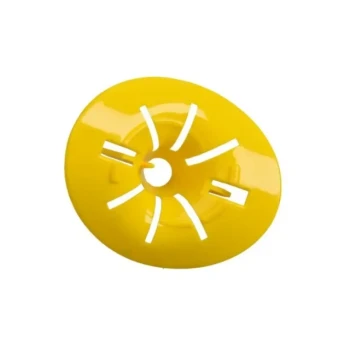
A Pollen Trap functions as a mechanical sieve installed directly at the entrance of a beehive. By forcing returning forager bees to pass through a physical barrier with specific pore sizes, the device effectively strips pollen pellets from the bees' hind legs. These dislodged pellets fall into a collection tray below, allowing for the automatic harvesting of clean pollen before it enters the hive.
Pollen traps utilize precision grids to mechanically dislodge pollen pellets, enabling large-scale, high-purity harvesting. This hardware provides a balance between commercial collection and the colony's nutritional needs by intercepting incoming forage before it can be contaminated or consumed.
The Mechanics of Dislodgement
The Precision Grid
The core component of the trap is a physical barrier placed at the hive entrance.
This barrier is designed with specific pore sizes that are just large enough for a worker bee to squeeze through, but too narrow for the pollen loads attached to their legs.
The Stripping Action
As a forager attempts to enter the hive, the geometry of the barrier physically interferes with the pollen pellets on its hind legs.
The grid scrapes or knocks these pellets off as the bee navigates the opening. This action separates the raw pollen from the bee without manual human intervention.
Collection and Hygiene
Once separated, the pollen pellets fall away from the entrance and into a dedicated collection tray located beneath the grid.
This isolation prevents the pollen from entering the hive interior, ensuring the harvested material remains clean and free from hive contaminants for subsequent processing.
Operational Applications
Commercial Production
The primary utility of the pollen trap is the efficient creation of raw material for the health market.
By automating the collection process, apiarists can gather bulk pollen for conversion into high-purity granules or capsules.
Scientific Monitoring
Researchers utilize these traps to sample the environment without disrupting the colony structure.
Because the traps collect pollen systematically, they are essential tools for studying bee foraging behavior and analyzing local plant diversity.
Understanding the Trade-offs
Nutritional Balance
While efficient, these traps are designed to capture approximately 50% of the pollen loads.
This percentage is critical; it allows the beekeeper to harvest resources while ensuring the colony retains enough protein to sustain itself and rear brood.
Physical Interaction
The process relies on physical resistance against the bee's body.
While the equipment is designed to dislodge pollen without harming the bees, it does introduce a physical obstacle that modifies the ease of entry for returning foragers.
Making the Right Choice for Your Goal
When implementing pollen traps, your strategy should depend on your desired output:
- If your primary focus is Commercial Production: Ensure your trap design prioritizes a "clean" catch to facilitate processing into high-quality granules or capsules.
- If your primary focus is Colony Health: Monitor the trap usage to ensure you are not exceeding the 50% collection rate, preserving the hive's essential protein supply.
- If your primary focus is Research: Utilize the trap to capture systematic samples for analyzing the relationship between local flora and honey quality.
Mastering the use of the pollen trap allows you to turn a simple biological function into a precise, automated harvesting process.
Summary Table:
| Component | Function | Benefit |
|---|---|---|
| Precision Grid | Mechanical barrier with specific pore sizes | Dislodges pollen pellets as bees pass through |
| Collection Tray | Catches dislodged pollen beneath the entrance | Keeps pollen clean and free from hive contaminants |
| Grid Geometry | Sized to allow bees while blocking pollen | Automates harvesting without manual intervention |
| Bypass Ratio | Designed to capture ~50% of incoming forage | Balances commercial yield with colony nutrition |
Maximize Your Apiary's Revenue with HONESTBEE
At HONESTBEE, we understand the complex needs of commercial apiaries and global distributors. Whether you are scaling up commercial pollen production or looking to optimize hive efficiency, we provide the industrial-grade machinery and beekeeping tools necessary to succeed. From precision-engineered pollen traps and hive-making machines to high-capacity honey-filling equipment and essential consumables, our portfolio is designed to enhance your operational yield.
Partner with a comprehensive wholesale supplier dedicated to your growth.
Contact HONESTBEE Today to Discuss Your Wholesale Requirements
References
- A. Nath. Beekeeping as an Entrepreneurship. DOI: 10.32474/ciacr.2019.07.000270
This article is also based on technical information from HonestBee Knowledge Base .
Related Products
- Removable Plastic Pollen Trap With Ventilated Tray for Bees Pollen Collector
- 30 cm Plastic Entrance Hole Bee Pollen Trap and Collector
- Plastic Bee Pollen Trap Strips Comb Catcher Collector
- High-Efficiency Diamond Maze Bee Escape for Clearing Supers
- Professional Bucket Style Wasp and Moth Pheromone Trap
People Also Ask
- What are the design principles and advantages of pollen traps in the collection of bee pollen? Boost Your Apiary Yield
- What is the function of professional pollen traps in evaluating honey plants? Quantifying Pollination and Crop Potential
- What functions do pollen traps serve for bee bread production? Optimize Your Raw Material Collection
- What maintenance and pest prevention measures should be taken for pollen traps? Protect Your Hive and Harvest Quality
- How does the use of pollen traps in honeybee hives enhance crop fertilization? Boost Your Yield Through Induced Activity