Precision filtration equipment acts as a critical analytical tool to objectively measure the quality of mono-floral honey. By utilizing standardized filter screens with specific pore sizes, laboratories can physically separate and quantify water-insoluble impurities—such as wax fragments, pollen clumps, and bee remains—that compromise the product's grade. This testing process provides a definitive metric for apiary hygiene and extraction efficiency, ensuring the honey complies with the strict purity requirements of international trade.
Core Insight: In the context of testing, filtration is not just about cleaning the product; it is about quantifying contamination. It converts the subjective visual state of honey into precise data regarding water-insoluble solids, validating that the harvesting process met necessary hygiene standards.
The Role of Filtration in Purity Analysis
To understand the true quality of mono-floral honey, one must move beyond visual inspection. Precision filtration serves as the mechanism for isolating and measuring physical contaminants that affect market grade.
Quantifying Insoluble Substances
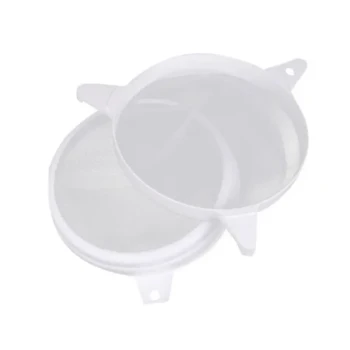
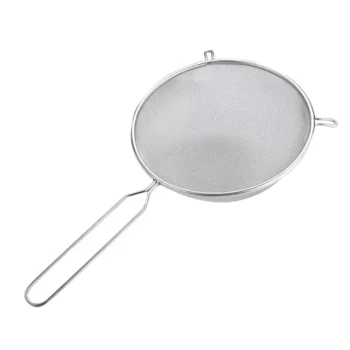
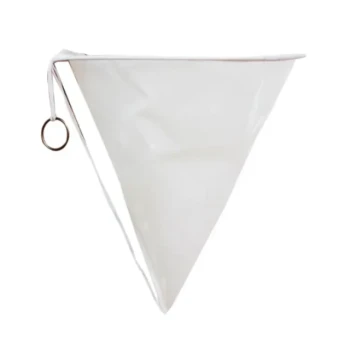
The primary function of this equipment in a testing environment is to separate water-insoluble substances from the liquid honey. By passing a sample through a screen with a standardized pore size, analysts can trap impurities like hive particles and wax fragments.
Once separated, these impurities are weighed or measured. This yields a specific quantitative value (often a percentage by weight) representing the impurity level, allowing for objective grading of the honey batch.
Validating Apiary Hygiene
The data derived from filtration analysis serves as a direct report card on extraction techniques and apiary management. High levels of mechanical impurities suggest poor management during the harvest, such as the use of destructive extraction methods or inadequate filtering at the source.
Low impurity levels indicate a non-destructive harvest and a controlled environment, confirming that the honey has been handled with the care required for high-value mono-floral varieties.
Ensuring International Compliance
International trade standards dictate strict limits on the allowable amount of water-insoluble matter in honey. Standardized filtration procedures ensure that every batch is tested against the same criteria. This consistency is vital for producers aiming to export, as it guarantees the final product meets the safety and hygiene benchmarks expected by global markets.
Standardization of Consumables
The reliability of purity testing hinges entirely on the standardization of the consumables used, specifically the filter screens.
The Importance of Pore Size
Using filter screens with specific, consistent pore sizes is non-negotiable for accurate testing. If the pore size varies between tests, the data becomes incomparable. Standardized consumables ensure that a "pure" result in one laboratory means exactly the same thing in another, maintaining the integrity of the supply chain.
Preventing Phase Separation
While primarily for processing, high-quality filtration systems also prevent phase separation and layering. In testing, ensuring the sample is homogenous before filtration is key to getting a representative result. Standardized equipment helps maintain this consistency, preventing uneven crystallization or sediment pockets that could skew analysis.
Understanding the Trade-offs
While filtration is essential for hygiene and visual appeal, it presents specific challenges when dealing with mono-floral honey.
The Risk of Ultra-Filtration
There is a critical distinction between removing "pollen clumps" (impurities) and removing microscopic pollen grains. Mono-floral honey relies on its specific pollen content for botanical certification.
If filtration is too aggressive (ultra-filtration), it strips the honey of its unique identity markers. This renders it impossible to prove the honey is "mono-floral," effectively downgrading it to generic table honey despite its purity.
Thermal Damage During Filtration
Filtration processes often utilize gentle heat to lower viscosity and improve flow rates. However, excessive heat poses a risk to chemical purity. Overheating during the filtration stage can destroy heat-sensitive nutrients and enzymes (like amylase), impacting the freshness metrics used in high-precision testing instruments.
Making the Right Choice for Your Goal
Whether you are a producer or a quality assurance officer, the application of filtration determines the final value of the honey.
- If your primary focus is Certification (QA): Prioritize standardized pore sizes that align with international testing protocols to accurately quantify insoluble solids without removing diagnostic pollen.
- If your primary focus is Market Presentation: Use industrial-grade filtration to remove all visible mechanical impurities (wax, bee parts) to ensure a transparent, commercially appealing product.
- If your primary focus is Mono-floral Integrity: Avoid ultra-filtration methods; ensure the equipment is calibrated to remove debris while retaining the microscopic pollen required to prove the honey's floral source.
Precision filtration turns the abstract concept of "cleanliness" into a measurable standard, protecting both the consumer's safety and the producer's reputation.
Summary Table:
| Feature | Analytical Role | Impact on Quality |
|---|---|---|
| Pore Size Standardization | Ensures repeatable quantification of insoluble solids | Maintains consistent grading for international trade |
| Impurity Separation | Physically isolates wax, pollen clumps, and bee remains | Validates apiary hygiene and extraction efficiency |
| Non-Destructive Filtering | Removes debris while retaining microscopic pollen grains | Protects the botanical certification of mono-floral honey |
| Thermal Regulation | Lowers viscosity for flow without overheating | Preserves heat-sensitive enzymes and nutrient purity |
Elevate Your Honey Quality Standards with HONESTBEE
At HONESTBEE, we understand that for commercial apiaries and global distributors, purity is not just a preference—it’s a requirement for market access. We provide a comprehensive wholesale suite of precision beekeeping machinery, honey-filling equipment, and standardized consumables designed to protect the unique integrity of your mono-floral varieties.
Whether you need to scale up your extraction efficiency or ensure your honey meets strict international hygiene benchmarks, our hardware and expertise are at your service. Let us help you turn hygiene into a measurable competitive advantage.
Ready to optimize your production line? Contact HONESTBEE Today for Specialized Equipment Solutions
References
- Mária Babošová. Quality and Composition of Rapeseed and Sunflower Honey Originating from the Territory of the Slovak Republic. DOI: 10.15414/afz.2025.28.02.171-177
This article is also based on technical information from HonestBee Knowledge Base .
Related Products
- Electric Double Wall Honey Filtering Machine Purifier Equipment for Honey Processing Plant
- 0.5T Capacity Honey Dehumidifier Dryer with Vacuum Heating and Thickening Filtering Machine
- Conical Nylon Honey Strainer Filter Bag for Beekeeping and Honey Filtration
- Professional Stainless Steel Honey Filtering Machine with Water Bath Heating for Beekeeping
- Stainless Steel Triangle Support Honey Strainer and Filters
People Also Ask
- What is the process of filtering honey? A Guide to Clean, Pure, and Market-Ready Honey
- What types of equipment are used in honey filtering? Build an Efficient System for Pure, Marketable Honey
- What is the overall importance of using the right equipment in honey filtering? Boost Quality & Marketability
- What steps are involved in maintaining honey filtering equipment? A Guide to Protecting Your Honey Quality
- What is a potential concern associated with filtering honey? Balancing Clarity and Pollen Preservation