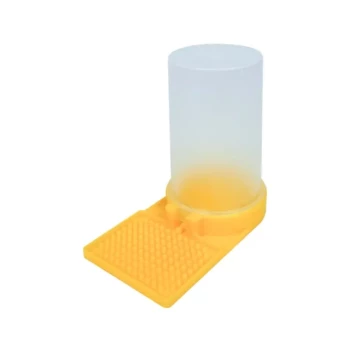
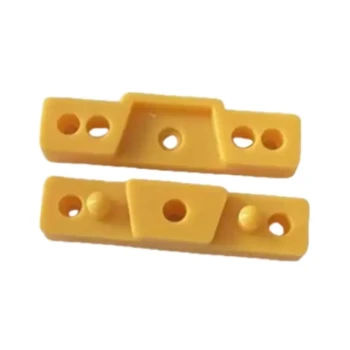
Predatory hornet attacks can destroy a managed honey bee colony rapidly, especially when Western honey bees face coordinated group attacks. Hornets first capture individual foragers, then gather at the entrance to kill worker bees, and may eventually enter the hive to take honey and brood. Physical entrance protection—such as hornet traps, entrance screens, cages, and carefully adjusted entrance reducers—can prevent or reduce access while allowing resident worker bees to move through.
The central risk is not a single hornet but a sustained, coordinated attack. Apiaries should combine hive entrance barriers with external trapping and timely monitoring, because no single device reliably addresses every stage of hornet predation.
Why Hornet Attacks Become Catastrophic
Group attacks overwhelm the colony
Predatory Vespa species, including giant hornets and yellow-legged hornets, can attack honey bee colonies in groups. A relatively small number of hornets may kill large numbers of worker bees in a short period and, in severe cases, exterminate the colony.
The danger is particularly acute for Apis mellifera. Unlike some Asian honey bee populations, Western honey bees generally do not display the same organized thermal “bee ball” defense that can surround and overheat an attacking hornet.
Hornets target the colony’s workforce
Hornets may intercept foraging bees near flight paths or the hive entrance. As attacks intensify, they can kill guard bees and returning workers, reducing the colony’s ability to forage, defend itself, and care for brood.
This creates a compounding effect: fewer workers weaken the colony, while the weakened entrance becomes easier for additional predators to challenge.
The attack can progress through several stages
Hornet predation is commonly described in three broad phases:
- Hunting: Hornets capture individual bees around the entrance or along flight paths.
- Slaughtering: Multiple hornets gather near the entrance and kill worker bees.
- Occupation: Hornets breach the hive or exploit openings to rob honey and brood.
The practical implication for apiary management is important: protection should begin before hornets reach the occupation stage.
How Entrance Protection Reduces Losses
Hornet entrance traps create a physical checkpoint
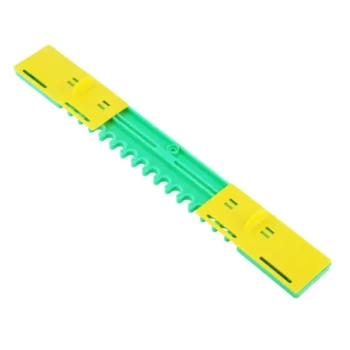
A hornet entrance trap is fitted directly in front of the hive opening. Its purpose is to restrict or redirect the larger predator while preserving a passage for worker bees.
This placement protects the most vulnerable point of the hive: the entrance where hornets can ambush returning foragers and where guard bees must defend against multiple attackers.
Wire screens and entrance cages block larger predators
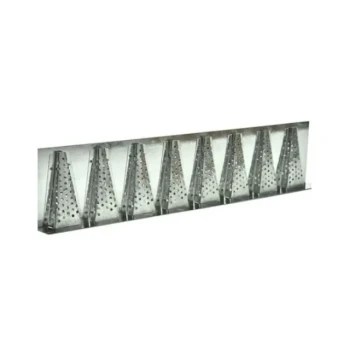
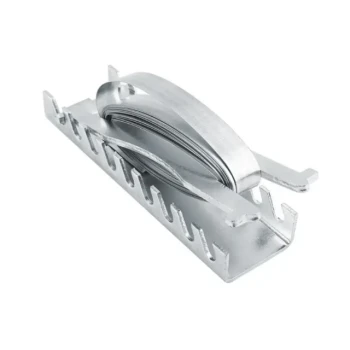
Wire entrance screens, cages, guard boards, and similar hardware create a physical separation between the colony and approaching hornets. Correctly designed systems allow honey bees to pass while making it difficult or impossible for larger hornets to reach the original entrance.
These devices are especially useful when installed securely against the hive face, with no side gaps or poorly sealed junctions that could provide an alternative route.
Entrance reducers make defense more manageable
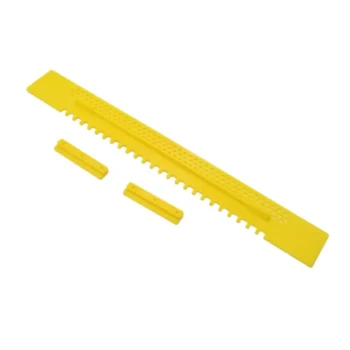
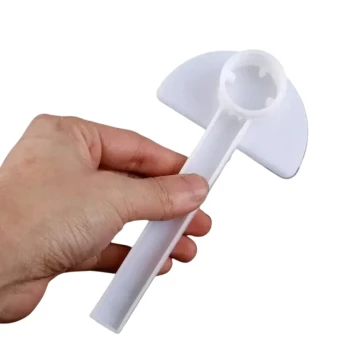
An entrance reducer decreases the opening that resident bees must defend. A smaller opening can help guard bees concentrate their defense and can physically limit access by larger insects.
Some management programs use a clearance of approximately 0.5 centimeters, but the correct opening depends on the device, colony strength, climate, ventilation requirements, and local pest pressure. The entrance must remain large enough to avoid congestion and overheating.
Sticky capture sheets add another interception layer
Commercial sticky sheets can be positioned alongside or in front of entrance protection devices to capture hornets before they reach the hive opening. They are best treated as a supporting barrier rather than a complete substitute for a properly fitted entrance device.
Placement and maintenance matter. Saturated, dusty, or poorly positioned sheets may lose effectiveness and can create handling or non-target-capture concerns.
A Layered Protection Strategy for Apiaries
Protect the entrance first
The core hardware package should normally begin with a properly fitted entrance trap, screen, cage, or reducer. The device should maintain worker bee movement while blocking direct hornet access.
Apiaries managing multiple hive formats should verify compatibility across entrance dimensions, box styles, and seasonal configurations before standardizing a product.
Reduce hornet pressure around the apiary
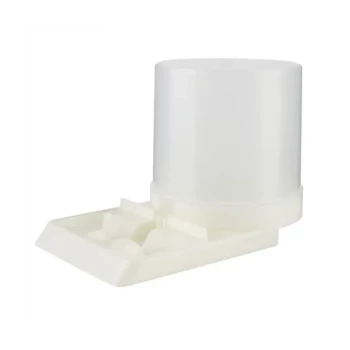
Hive-mounted protection does not eliminate hornets already active in the surrounding area. Perimeter traps, lure traps, and other approved capture systems can reduce the number of predators available to locate and pressure colonies.
External traps should be placed and managed according to local regulations and product instructions, particularly where non-target insects or bait safety are concerns.
Seal secondary access points
Some hornet species may exploit cracks, gaps, rotted wood, or poorly fitted hive components. Durable, tightly assembled equipment and routine inspection reduce the possibility that predators bypass the protected entrance.
Entrance hardware is therefore only as effective as the hive structure supporting it.
Match protection to colony strength and season
Hornet activity can increase during periods when colonies are under greater predation pressure. Apiaries should inspect entrances, traps, screens, and hive joints more frequently during the local peak-risk period.
A weak colony may require more restrictive or carefully monitored entrance protection than a strong colony, but excessive restriction can cause congestion and interfere with ventilation.
What Distributors and Commercial Apiaries Should Evaluate
Prioritize compatibility and installation speed
For wholesalers, resellers, and larger apiaries, a useful product is not merely effective in principle. It must fit the target hive systems, install consistently, and remain secure during routine handling.
A full product portfolio may include entrance traps, reducers, screens, sticky sheets, perimeter traps, replacement parts, and compatible hive hardware.
Assess durability and serviceability
Hornet protection equipment is exposed to weather, repeated inspections, propolis, dust, and physical handling. Buyers should evaluate material durability, cleaning requirements, replacement intervals, and whether individual components can be replenished without replacing the entire assembly.
Reliable supply of consumable elements is also important when protection is required across many colonies.
Standardize deployment across the apiary
A protection program is easier to manage when the same device types, installation procedures, and inspection points are used across comparable hives. Standardization supports faster training, simpler inventory control, and more consistent field performance.
Suppliers that can provide technical guidance, rapid responses, and consolidated fulfillment can reduce the operational burden during sudden hornet activity.
Understanding the Trade-offs
Restricted entrances can create congestion
A smaller entrance improves defensive concentration but may restrict traffic if the colony is strong or foraging activity is high. Congestion can reduce efficiency and may contribute to ventilation problems in hot conditions.
Entrance size should therefore be monitored rather than fixed permanently without regard to colony conditions.
Traps do not replace inspection
An entrance trap can intercept hornets, but it cannot compensate for a damaged hive body, an unprotected secondary gap, or a colony already weakened by repeated attacks.
Beekeepers should inspect for live hornets, dead bees, damaged screens, blocked passages, and signs that predators are approaching from another route.
Sticky and bait traps require responsible management
Sticky sheets and lure or poison-bait traps may capture beneficial or non-target insects if poorly selected or positioned. They also require regular servicing and careful handling.
Use should follow applicable regulations, label directions, and local integrated pest-management practices.
One device cannot address every attack phase
Entrance barriers are most directly suited to preventing access at the hive opening. Perimeter traps and population-reduction measures address hornets before they reach the entrance, while sealed hive construction prevents bypass routes.
The strongest program combines these layers instead of treating a single entrance product as a complete solution.
How to Apply This to Your Apiary or Product Line
A practical specification and purchasing program should connect the device to the operational goal it must serve.
- If your primary focus is colony survival: Install a properly fitted hornet entrance trap, screen, cage, or reducer, then inspect entrances and surrounding traps frequently during peak hornet activity.
- If your primary focus is apiary-wide protection: Combine hive-mounted barriers with perimeter trapping, sealed hive equipment, and a consistent inspection procedure across all colonies.
- If your primary focus is distribution or resale: Build a compatible product range covering entrance devices, sticky capture sheets, external traps, replacement components, and multiple hive formats.
- If your primary focus is rapid seasonal response: Pre-position standardized kits and source from suppliers able to provide fast technical support, dependable inventory, and efficient multi-item fulfillment.
A layered, well-maintained protection program gives managed colonies the best practical defense against coordinated predatory hornet attacks.
Summary Table:
| Device | Function | Key Benefit |
|---|---|---|
| Hornet Entrance Trap | Fitted at hive entrance; restricts predator while allowing bees to pass | Directly protects the vulnerable entrance point |
| Wire Screens & Cages | Physical barrier that blocks larger hornets | Prevents hornets from reaching the original entrance |
| Entrance Reducer | Reduces hive opening size | Helps guard bees concentrate defense and limits access |
| Sticky Capture Sheets | Positioned near entrance to intercept hornets | Adds a supporting layer of interception |
Equip your apiary with effective hornet protection. At HONESTBEE, we supply a comprehensive range of beekeeping tools and equipment, including hornet traps, entrance reducers, and protective screens. Our wholesale solutions support commercial apiaries and distributors with fast delivery, dedicated service, and expert guidance. Ensure colony survival and operational efficiency—contact us today to discuss your needs and secure a supply partnership.
Related Products
- Beehive Entrance Reducer Guardian Metal Hive Entrance for Bees
- 8-Cone Galvanized Steel Bee Robber Guard
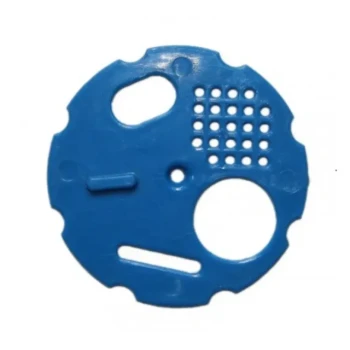
- Beehive Entrance Discs Plastic Bee Entrance Disc for Bee Hives
- Professional Reversible Beehive Hive Entrance
- Steel Round Disc Entrance Reducer for Flexzion Bee Hive Nuc Box Gate
People Also Ask
- Why are entrance reducers used to counter hornet infestations? Protect Your Hive with Strategic Choke Points
- What is the purpose of an entrance reducer for a beehive? Strengthen Colony Defense and Prevent Robbery
- What are the proper guidelines for using hive entrance reducers? Master Temperature Control & Colony Defense
- Why is it critical to maintain a smaller entrance for a newly established bee hive? Boost Colony Growth and Security
- What is the physical mechanism behind the use of hive entrance reducers? Protect Your Bees from Vespa velutina