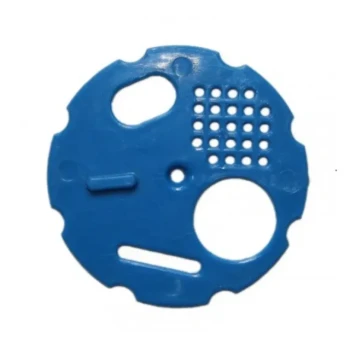
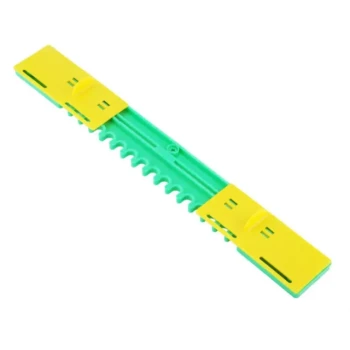
Proper use of a hive entrance reducer hinges on regulating temperature and bolstering colony defense. Generally, these devices should be utilized during the coldest winter months to block drafts and removed once outdoor temperatures rise enough to be comfortable in a light sweater.
The entrance reducer is a dynamic tool, not a permanent fixture; while essential for winter insulation and protecting weak colonies from robbery, failing to remove it during warmer weather risks stifling the hive's ventilation.
Managing Temperature and Airflow
The "Sweater Weather" Rule
The most reliable metric for removing a reducer is your own comfort level. A general guideline is to remove the entrance reducer whenever the outdoor temperature is mild enough for you to wear just a light sweater.
Winter Usage
Reducers are critical during the coldest few months of winter. Their primary function during this season is to minimize chilling drafts and prevent snow from entering the hive, which aids the colony in maintaining its internal cluster temperature.
Monitoring Fluctuations
Temperature management is active, not passive. You must be prepared to take the reducer out regularly on unseasonably warm winter days to prevent overheating, then replace it as temperatures drop again.
Protecting Vulnerable Colonies
Preventing Robbery
Beyond temperature control, reducers are essential for colony defense. A smaller entrance is significantly easier for a colony to guard against "robbing" bees from other hives or predators like wasps.
Supporting New Colonies
New or establishing colonies often lack the population numbers to defend a full entrance. Installing a reducer helps these younger colonies secure their resources while they build up their population.
Transport and Treatment
Reducers serve a functional role during hive maintenance. They can be used to temporarily seal the hive when relocating colonies or when applying specific treatments that require a closed system.
Common Pitfalls and Alternatives
The Risk of Overheating
The most common error is leaving the reducer in place too long into the spring. Restricting the entrance during warm weather limits airflow, potentially causing moisture buildup and heat stress within the colony.
The Grass Alternative
An effective alternative to rigid wooden reducers is stuffing two-thirds of the entrance with dried grass, leaving a two-inch gap.
Why Grass Works
Grass allows the bees to self-regulate airflow. Bees can manipulate the grass or propolize it (coat it with resin) to increase weather resistance, giving them autonomy over their own ventilation needs.
Making the Right Choice for Your Goal
To determine whether your hive needs a reducer right now, assess your immediate objective:
- If your primary focus is winter survival: Install the reducer to block snow and drafts, but monitor the weather daily to remove it during warm spells.
- If your primary focus is establishing a new colony: Keep the reducer in place regardless of mild weather to aid in defense until the population is robust.
- If your primary focus is ventilation: Remove the reducer immediately once the temperature is comfortable enough for a light sweater, or switch to the dried grass method to allow bee-controlled airflow.
Mastering the entrance reducer means observing your bees and the weather, rather than following a calendar blindly.
Summary Table:
| Feature | Recommended Action | Primary Benefit |
|---|---|---|
| Winter Use | Install during coldest months | Minimizes drafts and blocks snow |
| Warm Weather | Remove when "sweater weather" arrives | Prevents overheating and moisture buildup |
| New Colonies | Use until population is robust | Helps small colonies defend against robbing |
| Draft Alternative | Use dried grass in 2/3 of entrance | Allows bees to self-regulate airflow |
| Monitoring | Remove during unseasonal warm spells | Ensures active colony ventilation |
Maximize Your Apiary Productivity with HONESTBEE
Efficient hive management requires the right tools at the right time. At HONESTBEE, we specialize in supporting commercial apiaries and distributors with a comprehensive range of professional-grade beekeeping equipment. From high-durability hive components to advanced hive-making and honey-filling machinery, our wholesale offerings are designed to scale your operations and improve colony health.
Whether you are stocking essential industry consumables or looking for honey-themed cultural merchandise to expand your brand, we provide the quality and expertise you need to succeed.
Ready to elevate your beekeeping business? Contact us today to explore our full product portfolio and discover how our specialized hardware can streamline your production.
Related Products
- Beehive Entrance Reducer Guardian Metal Hive Entrance for Bees
- Steel Round Disc Entrance Reducer for Flexzion Bee Hive Nuc Box Gate
- Multi-Functional Rotary Hive Entrance Disc for Beekeeping
- Professional Hive Front Entrance Bee Feeder
- HONESTBEE Entrance Bee Feeder Efficient Hive Front Liquid Feeding Solution for Beekeeping
People Also Ask
- Why are entrance reducers used to counter hornet infestations? Protect Your Hive with Strategic Choke Points
- What is the purpose of an entrance reducer for a beehive? Strengthen Colony Defense and Prevent Robbery
- Why is it critical to maintain a smaller entrance for a newly established bee hive? Boost Colony Growth and Security
- What is the physical mechanism behind the use of hive entrance reducers? Protect Your Bees from Vespa velutina
- What is the technical significance of reducing hive entrances and sealing gaps? Master Honeybee Robbing Prevention