Product labels function as the primary mechanism for both legal defense and commercial offense in the honey industry.
They serve as the physical evidence of intellectual property by explicitly displaying product sources, nutritional components, and patent or certification numbers. This documentation acts as a critical barrier against counterfeiting and unauthorized imitation while simultaneously validating the quality required to secure consumer trust and market sustainability.
Labels transform honey from a generic agricultural commodity into a protectable asset. By serving as a visible marker of legal standing and quality assurance, they bridge the gap between raw production and high-value retail success.
The Role of Labels in Legal Protection
Establishing Intellectual Property Evidence
Labels are not merely marketing tools; they are legal documents attached to the product. By clearly stating patent numbers or proprietary information, the label serves as physical proof of ownership.
This acts as a deterrent to competitors who might otherwise attempt to replicate the product's branding or claims.
Preventing Counterfeiting
In a marketplace rife with imitation, the label acts as the first line of defense. Explicit details regarding the source and specific certification codes help distinguish genuine articles from unauthorized copies.
This protection is essential for maintaining the commercial sustainability of a honey operation, ensuring that revenue flows to the legitimate producer rather than imitators.
Validating Certification Standards
For specialized products, labels serve as carriers for official state logos and certification body codes. They are the required vehicle for validating claims such as "organic," "biological," or "ecological."
Without these specific visual markers on the label, a product cannot legally use these terms, protecting consumer rights and preventing non-certified goods from capitalizing on premium categories.
Driving Commercialization and Market Value
Transitioning to High-Value Markets
Professional labeling is a prerequisite for moving honey from bulk wholesale to the high-value retail sector. A distinct visual identification system allows producers to differentiate their offering in a competitive environment.
This transition is what shifts the product's status from a primary agricultural output to a consumer-ready commodity.
Ensuring Traceability
Labels provide the essential data points for origin traceability, identifying geographic regions and specific nectar sources. For consumers, this transparency is a proxy for quality.
By detailing the nutritional profile and origin, producers can justify premium pricing and establish a reputation for consistency.
Building Consumer Trust
Trust is the currency of the food industry. Labels enhance this trust by providing a visible guarantee of quality assurance and safety compliance.
For beekeepers targeting direct exports, these labels ensure compliance with international food safety standards, which is necessary to access global markets.
Common Pitfalls to Avoid
The Liability of Inaccuracy
While labels offer protection, they also create liability. Any claim made on a label—regarding origin, nutritional content, or certification—must be backed by verifiable data.
If a label displays a certification code or geographic claim that cannot be proven, the producer risks legal penalties and immediate loss of consumer trust.
Visual Clutter vs. Essential Data
A common mistake is prioritizing aesthetic design over mandatory information. To function as a tool for IP protection and traceability, the label must clearly display code numbers and origin data.
Obscuring this data for the sake of minimalism undermines the label's function as a legal and commercial safeguard.
Making the Right Choice for Your Goal
To maximize the value of your labeling strategy, align your approach with your primary business objective:
- If your primary focus is Intellectual Property Protection: Prioritize the prominent display of patent numbers, certification codes, and specific legal disclaimers to deter counterfeiting.
- If your primary focus is Market Expansion and Export: Focus on traceability elements, such as precise geographic origin and nectar sources, to meet international compliance standards and build high-end consumer trust.
Your label is the single most important interface between your operation and the market; ensure it communicates both legal authority and product quality.
Summary Table:
| Benefit Category | Key Function | Impact on Honey Business |
|---|---|---|
| Legal Defense | Displays patents, certifications, and IP codes | Deters counterfeits and protects proprietary rights |
| Quality Assurance | Validates organic and origin-based claims | Builds consumer trust through verifiable data |
| Market Value | Facilitates transition from bulk to premium retail | Justifies higher price points and brand differentiation |
| Traceability | Records nectar source and geographic origin | Ensures compliance with international export standards |
Maximize the Commercial Potential of Your Honey Brand
At HONESTBEE, we understand that specialized honey requires more than just high-quality production—it needs a professional presentation that protects your intellectual property and commands a premium price.
We provide commercial apiaries and honey distributors with a comprehensive wholesale ecosystem. From honey-filling and labeling machinery to high-quality jars and honey-themed cultural merchandise, we equip you with everything needed to transform raw honey into a protected, high-value asset.
Ready to scale your beekeeping operation and access global markets?
Contact HONESTBEE Today for Custom Solutions
References
- Muhammad Natsir, Wilsa Wilsa. The business potential of Trigona Peunawa Samudra honey in the form of simple patent rights as an effort to develop university economic independence. DOI: 10.52626/jg.v7i1.309
This article is also based on technical information from HonestBee Knowledge Base .
Related Products
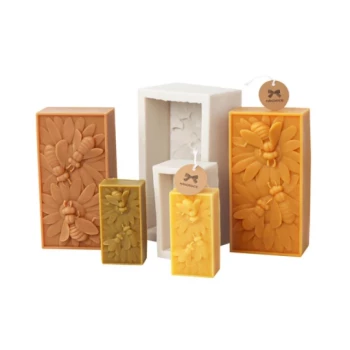
- Bee Floral Relief Silicone Mold for Artisan Soap Candle Making
- Professional Plastic Honey Dipper for Easy Honey Drizzling
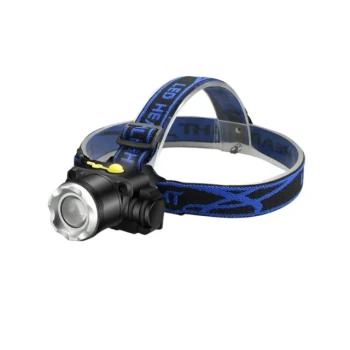
- Professional Rechargeable Beekeeping Headlamp Flashlight with Red Light Mode and Type-C Charging
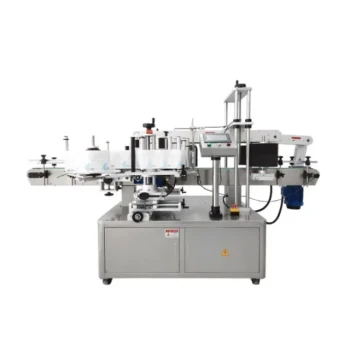
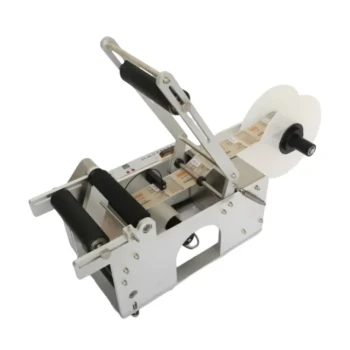
- Automatic Dual Sided In Line Labeling Machine
- Professional Grade Foldable Beehive Handles
People Also Ask
- Is spray release necessary when using silicone molds for candle making? Master the Art of Flawless Demolding
- How do you secure a silicone mold for candle making? Prevent Leaks and Achieve Perfect Candles
- Why are silicone molds preferred over tin or plastic molds for beeswax candles? Boost Efficiency & Quality
- What are the advantages of silicone molds for queen cell cups? Upgrade Your Queen Rearing Precision
- How do you remove a finished candle from the mold? Master the Art of Flawless Demolding