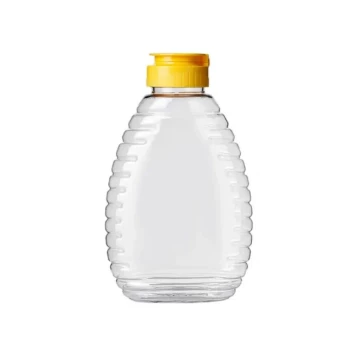
Professional honey packaging containers and materials serve as the primary defense system for product integrity. Their significance lies in a dual function: protecting the chemical quality of the honey by sealing out air, moisture, and odors, and acting as the physical vehicle required to transform raw agricultural yield into a branded, retail-ready commodity.
Core Takeaway Honey is a living, hygroscopic product that will degrade if left exposed. Professional packaging is the only reliable method to arrest fermentation and spoilage, bridging the gap between raw apiary production and the strict requirements of the high-end retail market.
The Science of Preservation
Honey is not an inert substance; it reacts dynamically with its environment. Professional packaging is engineered to control these variables.
Controlling Hygroscopic Properties
Honey is highly hygroscopic, meaning it naturally absorbs moisture from the air. Without a professional-grade seal, honey will pull water into the container, diluting the sugars.
This excess moisture triggers fermentation, leading to spoilage and souring. High-performance packaging materials create an impermeable barrier, ensuring moisture levels remain stable regardless of external humidity.
Preventing Chemical Deterioration
Exposure to air causes oxidation, which degrades the honey's flavor profile and darkens its color.
Professional containers block oxygen entry, preserving the natural physicochemical indicators (such as enzyme activity) and organic characteristics. They also seal out external odors, preventing the honey from absorbing environmental smells that would ruin its taste.
Logistics and Supply Chain Efficiency
Beyond chemistry, the physical design of packaging materials plays a vital role in the economics of the supply chain.
Reducing Transit Losses
Honey is heavy and often travels long distances—sometimes transoceanic—from remote apiaries to processing centers.
Specialized storage containers utilize high-durability materials designed to withstand the physical stress of logistics. This significantly reduces breakage rates and prevents loss during transport, which is vital in regions where logistics costs are high.
Enabling Standardization and Traceability
In contract-based production models, standardized containers are critical consumables.
Uniform containers allow for the use of specialized stacking and storage equipment, improving logistical efficiency. Furthermore, they provide a consistent medium for labeling, which is essential for product traceability and meeting strict food safety circulation standards.
Integration with Automation
Professional packaging is designed to work seamlessly with high-precision filling machinery.
Standardized dimensions allow automated volumetric fillers to operate at speed with minimal waste. This compatibility ensures precise weight control and maintains a sterile environment during the canning process, eliminating the risk of human contamination.
Commercial Viability and Market Access
The final layer of significance is the transition from a bulk commodity to a consumer product.
The Gateway to Retail
You cannot enter mainstream retail channels without standardized, professional packaging.
Retailers require products to have uniform physical protection and shelf stability. Professional packaging converts bulk honey into a format that meets these entry requirements, allowing apiaries to access higher-value markets rather than selling only in bulk.
Enhancing Brand Value
Packaging is the physical carrier of the brand.
High-quality materials enhance the visual appeal of the product, which is directly linked to market competitiveness. A professional appearance signals quality to the consumer, justifying premium pricing and differentiating the brand in a crowded marketplace.
Understanding the Trade-offs
While professional packaging is essential, it introduces specific challenges that producers must manage.
Material Selection vs. Chemical Migration
Not all "airtight" containers are suitable for honey. Producers must strictly use food-grade materials to prevent chemical migration.
Lower-quality plastics may leach chemicals into the honey over time, especially during long storage periods or temperature fluctuations. This compromises food safety despite the container being "sealed."
Cost vs. Margin
High-performance packaging materials and specialized containers increase upfront costs.
While these materials reduce long-term loss from spoilage and breakage, the initial investment can be significant. Producers must balance the cost of premium packaging against the expected retail price point of their specific honey variety.
Making the Right Choice for Your Goal
Selecting the right packaging strategy depends on your specific position in the supply chain.
- If your primary focus is Export and Long-Haul Logistics: Prioritize high-durability, standardized containers with superior sealing to minimize breakage and oxidation during transoceanic shipping.
- If your primary focus is Retail Branding: Focus on the visual appeal and transparency of the materials to maximize shelf impact and justify premium pricing.
- If your primary focus is Traceability and Safety: Ensure all containers are certified food-grade and standardized to integrate seamlessly with automated filling and labeling systems.
Ultimately, professional packaging is an investment in stability, transforming a volatile natural resource into a consistent, valuable commercial asset.
Summary Table:
| Feature | Significance to Supply Chain | Impact on Honey Quality |
|---|---|---|
| Hygroscopic Control | Extends shelf life for global distribution | Prevents moisture absorption and fermentation |
| Oxygen Barrier | Maintains product consistency over time | Stops oxidation and preserves natural enzyme activity |
| Standardized Design | Enables use of automated filling machinery | Ensures sterile environment and precise weight control |
| Durability | Reduces breakage during long-haul transit | Prevents product loss and contamination |
| Food-Grade Material | Meets international safety standards | Eliminates chemical migration and leaching risks |
Elevate Your Apiary Business with HONESTBEE
Transitioning from bulk production to a premium brand requires the right infrastructure. HONESTBEE specializes in empowering commercial apiaries and distributors with high-performance solutions. Whether you need specialized hardware like honey-filling machines to automate your production or high-durability wholesale beekeeping tools and containers to secure your supply chain, we provide the expertise to help you scale.
From industrial machinery to essential consumables and honey-themed cultural merchandise, we offer everything you need to enhance your market competitiveness. Contact HONESTBEE today to discover how our comprehensive equipment and packaging solutions can safeguard your liquid gold and maximize your margins.
References
- Ajabush Dafar, Motuma Turi. Analysis Marketing Behavior of Honey in Oromia Regional State, Ethiopia. DOI: 10.7176/jmcr/57-01
This article is also based on technical information from HonestBee Knowledge Base .
Related Products
- Hexagonal Glass Honey Jars with Metal Lug Caps Elegant Versatile Packaging
- Classic Round Glass Honey Jar with Lid
- Modern Square Glass Honey Jar with Twist Off Lid
- Classic Honey Bear Jars with Flip Top Dispensing Cap for Liquid Sweeteners
- Squeezable No-Drip Beehive-Shaped Honey Jars with Flip-Top Cap
People Also Ask
- What is the aesthetic appeal of using glass jars for honey? Elevate Your Brand with Premium Packaging
- What are the logistical challenges associated with using glass jars for honey packaging? Navigating Weight & Fragility
- What are the advantages of glass containers for honey? Elevate Quality and Market Value with Premium Packaging
- What are the technical advantages of using glass jars for honey? Master Commercial Packaging for Premium Purity
- What are the advantages of using glass jars for honey packaging? Preserve Purity & Elevate Your Brand