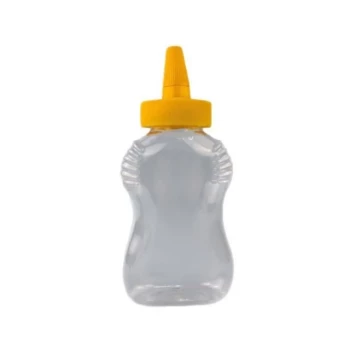
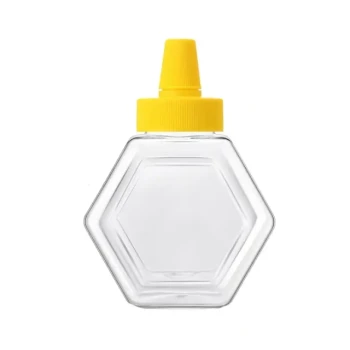
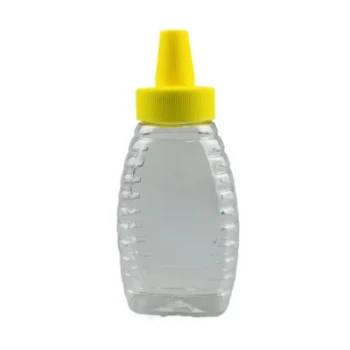
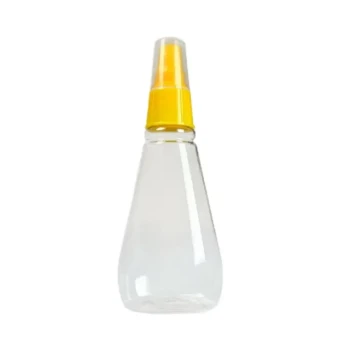
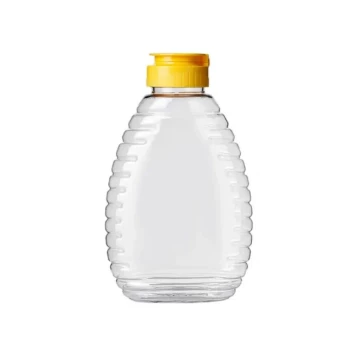
Squeeze bottles for honey are characterized by their flexible, food-grade plastic construction, typically utilizing materials like LDPE or PET to facilitate easy dispensing. These containers allow users to physically compress the bottle to force the product out, often utilizing flip-top caps with specific orifice sizes to accommodate the natural viscosity of honey.
Squeeze packaging prioritizes active user control and durability, utilizing flexible polymers to offer precise dosing and shatterproof protection that rigid containers like glass cannot match.
Material Engineering and Flexibility
The Role of LDPE and PET
The defining feature of a squeeze bottle is the use of less rigid food-grade plastics, such as Low-Density Polyethylene (LDPE) or Polyethylene Terephthalate (PET).
Unlike rigid containers, these materials possess the necessary elasticity to deform under pressure and return to their original shape.
Durability and Safety
Plastic squeeze bottles are lightweight and highly durable, making them significantly less prone to breaking than glass.
This shatter resistance offers better protection for the product during shipment and makes them safer for household environments, particularly those with children.
Dispensing and Flow Control
Optimized Cap Design
Squeeze bottles are almost exclusively paired with flip-top caps designed to manage flow.
These caps feature varying orifice sizes that are specifically calibrated to handle the thickness of honey, preventing clogs while ensuring a steady stream.
Waste Reduction
The squeezable nature of the packaging allows consumers to control exactly how much honey is dispensed.
This mechanical control helps reduce mess and minimizes product waste, ensuring users can extract the maximum output from the container.
Inverted Functionality
Some modern squeeze designs are engineered to stand upside down on their cap.
This utilizes gravity to keep the honey near the dispensing orifice, ensuring it flows out immediately without the wait times associated with traditional upright jars.
Visual Identity and Form Factor
Iconic Designs
The flexibility of plastic allows for unique molding options that are difficult to achieve with glass or metal.
The most recognizable example is the "honey bear" bottle, a standard in the industry that is particularly appealing to children and families.
Thematic Branding
Beyond the bear, manufacturers leverage the material's versatility to create bottles shaped like honey bees or hives.
This allows for distinct branding opportunities that visually communicate the product's origin directly through the package's silhouette.
Understanding the Trade-offs
Permeability vs. Protection
While plastic offers superior durability, it is not as inert or non-porous as glass or metal.
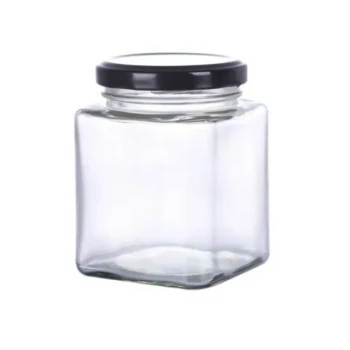
High-quality food-grade plastic protects safety, but glass generally provides a superior barrier against oxygen and moisture for long-term flavor preservation.
Market Perception
Squeeze bottles are often associated with convenience and daily utility rather than luxury.
For "premium" or artisanal honey products, the market often prefers the elevated weight and clarity of glass over the practicality of plastic.
Making the Right Choice for Your Goal
While all honey packaging aims to prevent oxidation and moisture ingress, the choice of a squeeze bottle depends on the end-user's lifestyle.
- If your primary focus is shipping efficiency: Choose plastic squeeze bottles for their lightweight nature and resistance to breakage during transit.
- If your primary focus is family convenience: Opt for the classic bear-shaped or inverted squeeze bottle to minimize mess and appeal to younger users.
- If your primary focus is premium positioning: Acknowledge that while squeeze bottles offer utility, rigid glass jars are better suited for high-end, gift-grade aesthetics.
Select the container that aligns the physical properties of the material with the specific expectations of your target consumer.
Summary Table:
| Feature | Honey Squeeze Bottle Characteristics | Impact on Consumer Experience |
|---|---|---|
| Material | Food-grade LDPE or PET plastic | Provides elasticity for easy compression and shatterproof safety. |
| Cap Design | Flip-top with calibrated orifices | Ensures controlled flow and prevents messy leaks or clogs. |
| Form Factor | Iconic shapes (e.g., Honey Bear, Beehives) | Enhances brand identity and appeals to family-oriented demographics. |
| Functionality | Inverted (bottom-up) standing capability | Minimizes wait time by keeping honey near the dispensing valve. |
| Durability | Lightweight and impact-resistant | Reduces shipping costs and risk of breakage during transit. |
Elevate Your Honey Brand with HONESTBEE Packaging Solutions
At HONESTBEE, we specialize in empowering commercial apiaries and distributors with high-quality, durable squeeze packaging and honey-processing machinery. Whether you need iconic bear-shaped bottles to capture the family market or industrial-grade honey-filling machines to scale your operations, we provide the full spectrum of beekeeping tools and consumables.
Our value to your business:
- Comprehensive Wholesale Catalog: One-stop sourcing for everything from hive-making hardware to honey-themed cultural merchandise.
- Optimized Logistics: Lightweight, shatterproof squeeze bottle solutions designed to reduce your shipping losses.
- Expert Industry Support: We supply the tools and equipment needed to turn raw harvest into retail-ready success.
Ready to scale your production? Contact us today to explore our wholesale offerings!
Related Products
- Ergonomic Squeezable Honey Bottle with Precision Twist Nozzle Cap
- Hexagonal Squeeze Honey Bottle with No Drip Lid
- Classic Beehive Honey Bottle Jar with Squeeze Dispenser Lid
- Premium PET Squeeze Honey Bottle with Ergonomic Grip and Rotary Dispenser
- Inverted Squeezable Honey Jar with No Drip Flip Top Cap for Easy Pouring
People Also Ask
- What are the benefits of squeeze bottles for honey packaging? Unlock Mess-Free Convenience & Control
- How should honey bottles be prepared before pouring honey into them? The #1 Rule for Honey Longevity
- What are the features of honey bottles? Design for Convenience & Long-Term Preservation
- What are the features and benefits of using honey bottles for packaging? Optimize Preservation and Consumer Experience
- How do honey bottles contribute to the preservation of honey products? Secure Quality and Commercial Value