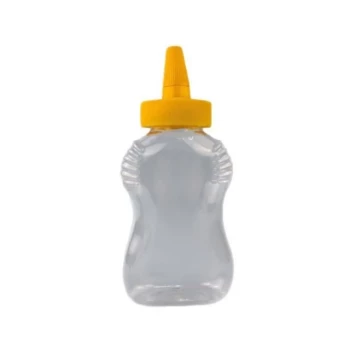
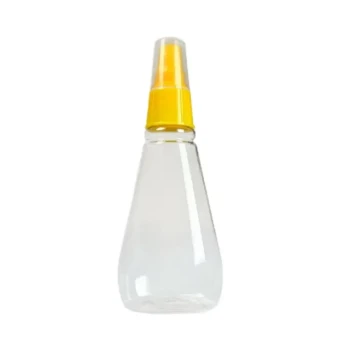
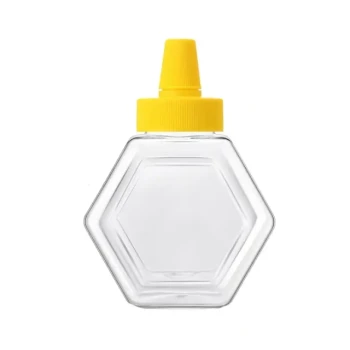
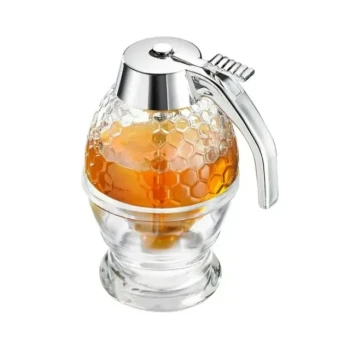
Storing honey in an airtight container is the single most critical step to prevent spoilage and quality degradation. Honey is hygroscopic, meaning it naturally attracts and absorbs moisture from the surrounding air. Without a tight seal, this absorbed water dilutes the honey, allowing naturally occurring yeasts to trigger fermentation and sour the product.
While honey is historically famous for not spoiling, this property relies entirely on maintaining a low moisture content. An airtight seal is the primary defense mechanism that preserves the chemical environment required to keep honey shelf-stable indefinitely.
The Science of Moisture and Stability
Understanding Hygroscopicity
Honey is a supersaturated sugar solution that possesses strong hygroscopicity.
Ideally, honey maintains a specific water content that inhibits bacterial growth. If left unsealed, it acts like a sponge, pulling humidity directly from the atmosphere into the jar.
The Fermentation Risk
Once the water content in honey rises above a certain threshold due to moisture absorption, the natural stability is broken.
Dormant wild yeasts, which are naturally present in honey, become active in this moisture-rich environment. This leads to fermentation, which sours the flavor and ruins the honey.
Preserving Sensory Qualities
Locking in Volatile Compounds
The unique taste and aroma of specific honey varietals come from volatile organic compounds.
Continuous exposure to air allows these delicate compounds to evaporate or oxidize. An airtight seal traps these aromas, ensuring the honey retains its natural flavor profile over time.
Physical Contamination Barriers
Honey is dense and sticky, making it a magnet for physical contaminants.
A secure lid is the only way to effectively protect the product from dust, household debris, and insects, particularly ants, which are aggressively attracted to the sugar.
Understanding the Trade-offs: Container Materials
The Acidity Factor
Honey is not chemically neutral; it possesses weak acidity.
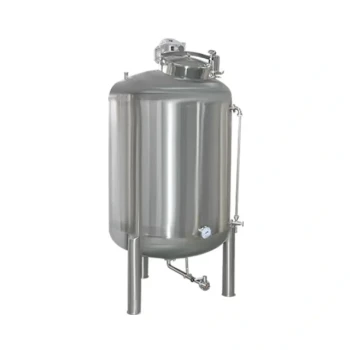
Because of this acidity, you cannot store honey in just any airtight vessel. Reactive metals (like iron or copper) can corrode when in long-term contact with honey, leading to metallic flavors or spoilage.
Chemical Leaching
To ensure purity, you must prioritize food-grade materials.
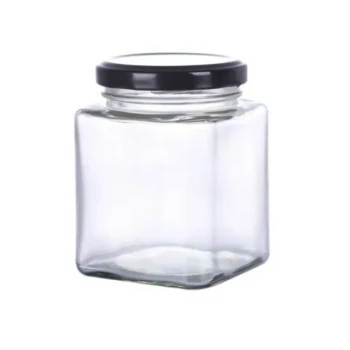
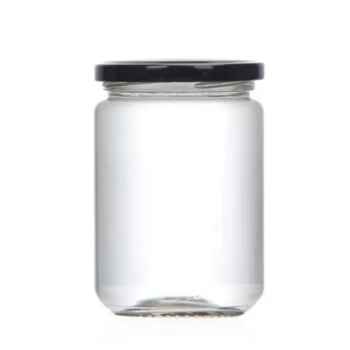
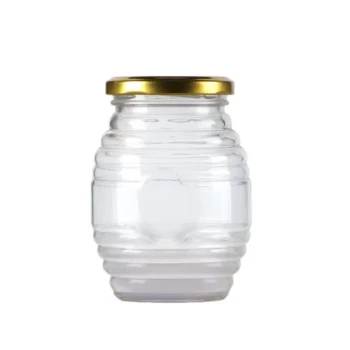
If using plastic, it must be high-quality and food-grade to prevent harmful substances from migrating from the packaging into the honey. Glass is often the superior choice for long-term storage as it is non-porous and chemically inert.
Making the Right Choice for Your Goal
To maintain the highest quality of your honey, select your storage method based on your usage habits:
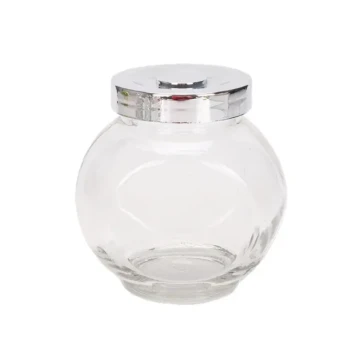
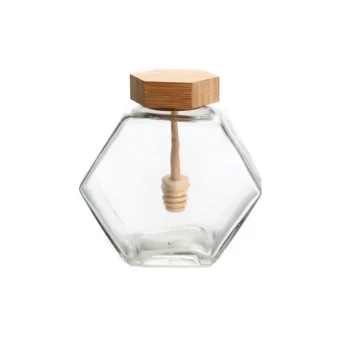
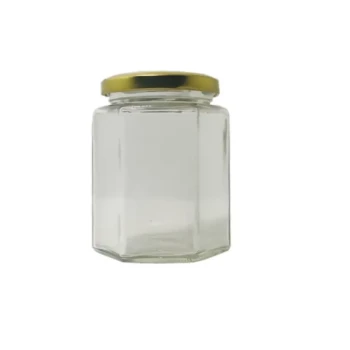
- If your primary focus is long-term preservation: Use a sealed glass jar with a rubber gasket to create a complete barrier against moisture and air.
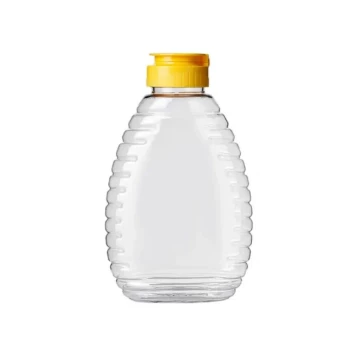
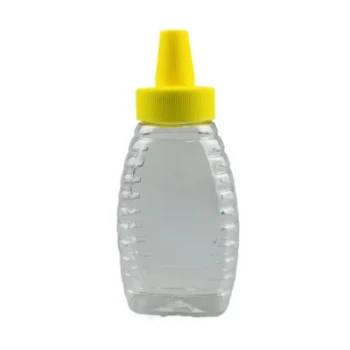
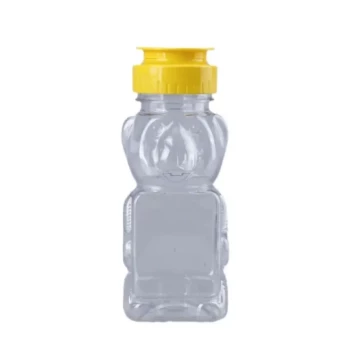
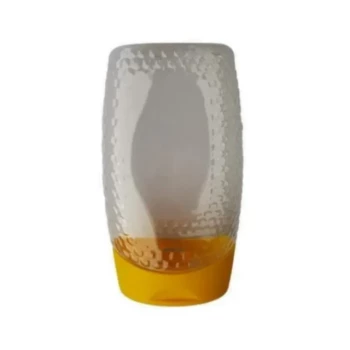
- If your primary focus is daily convenience: Ensure your squeeze bottle or dispensing jar is made of food-grade plastic and has a cap that snaps explicitly shut to minimize air exchange between uses.
- If your primary focus is maintaining chemical purity: Avoid metal containers entirely and stick to food-grade sealed plastic or glass to prevent acidity-related leaching.
By controlling the environment with a proper seal, you transform honey from a perishable sugar syrup back into an indefinitely stable food source.
Summary Table:
| Factor | Risk of Poor Sealing | Benefit of Airtight Container |
|---|---|---|
| Moisture | Hygroscopic absorption leads to dilution | Maintains low water content for stability |
| Fermentation | Wild yeasts activate and sour the honey | Inhibits yeast activity indefinitely |
| Aroma | Volatile flavor compounds evaporate | Locks in unique floral profiles and scents |
| Purity | Dust, debris, and insects (ants) enter | Provides a physical barrier against contaminants |
| Chemistry | Oxidation and environmental reactions | Keeps honey shelf-stable and chemically inert |
Maximize Your Honey Quality with HONESTBEE Professional Solutions
At HONESTBEE, we understand that the integrity of your honey harvest is your most valuable asset. As a dedicated partner to commercial apiaries and global distributors, we provide the professional-grade tools and machinery needed to maintain the highest industry standards from hive to jar.
How we bring value to your business:
- High-Efficiency Machinery: Streamline your production with our honey-filling and hive-making machines designed for precision and durability.
- Complete Equipment Spectrum: From specialized hardware to essential beekeeping tools, we supply everything required for large-scale operations.
- Wholesale Consumables: Access a wide array of industry-standard consumables to keep your apiary running smoothly.
- Branding & Culture: Enhance your market presence with our unique honey-themed cultural merchandise.
Ready to elevate your beekeeping business and protect your product's purity? Contact us today to explore our comprehensive wholesale offerings and see how our expertise can drive your success.
Related Products
- Classic Drum Shaped Glass Honey Jar with Airtight Lid
- Squeezable No-Drip Beehive-Shaped Honey Jars with Flip-Top Cap
- Classic Beehive Honey Bottle Jar with Squeeze Dispenser Lid
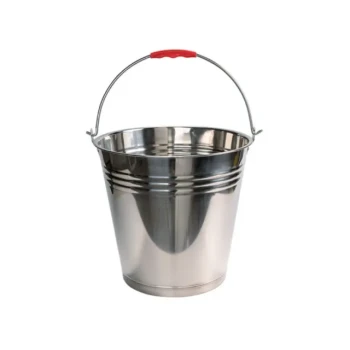
- Premium Stainless Steel Honey Tank Bucket Pail with Reinforced Handle and Polished Finish
- Classic Honey Bear Jars with Flip Top Dispensing Cap for Liquid Sweeteners
People Also Ask
- What is the best utensil to store honey? Preserve Purity with the Right Container
- How does the appearance of glass jar packaging affect the sales and perception of honey? Boost Your Premium Brand Value
- Why is a glass jar preferred for packaging honey? Ultimate Protection for Purity & Flavor
- What is the aesthetic appeal of using glass jars for honey? Elevate Your Brand with Premium Packaging
- What are the advantages of glass containers for honey? Elevate Quality and Market Value with Premium Packaging