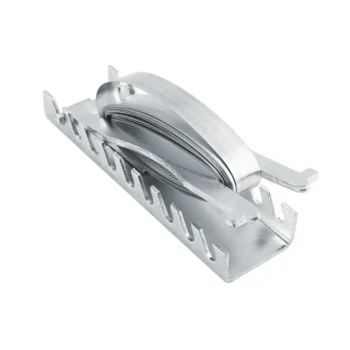
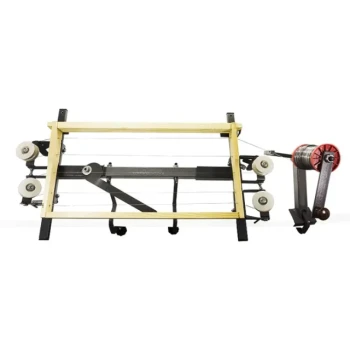
Professional beehive systems and apiary facilities drive pollination efficiency by creating stable, high-quality nesting environments that ensure colonies maintain peak foraging motivation. This infrastructure directly supports higher visitor densities and attendance rates during critical flowering windows, enabling managed bees to outperform colonies housed in substandard facilities.
Core Takeaway: Modern apiary infrastructure bridges the gap between biological health and agricultural logistics. By combining standardized housing with specialized transport systems, professional setups ensure that healthy, energetic bees are deployed precisely where and when crops need them most, significantly boosting yield and fruit quality.
Enhancing Colony Vitality and Foraging Behavior
Creating a Stable Nesting Environment
High-quality beehive facilities are not merely storage boxes; they provide a stable nesting environment essential for colony health. When the hive environment is controlled and safe, bees are not distracted by structural repairs or stress.
This stability allows the colony to focus energy on foraging. It ensures that attendance rates remain high, particularly during peak flowering periods when pollination windows are short.
Increasing Visitor Density
The primary metric for pollination success is visitor density—the number of bees visiting flowers in a given area. Professional facilities support significantly higher densities compared to amateur or substandard setups.
Scientific hive structures and strategic layouts are designed to maintain high physiological vitality. This results in more frequent visits to crops, directly influencing fruit quantity and single-fruit weight.
The Role of Mobility and Strategic Placement
Precision Deployment via Specialized Logistics
Professional systems utilize specialized transport trucks and loading mechanisms to facilitate long-distance migration. This allows apiarists to move colonies between different agricultural regions to chase blooming seasons.
This mobility ensures sufficient colony density for specific crops like almonds and blueberries. By addressing shortages in wild pollinators, these systems allow for precise pollination intervention that improves product taste and shape.
Reducing Energy Waste
Mobile apiary platforms, such as trailers with shock-resistant racks, allow operators to place hives directly at the source of the bloom. This eliminates the need for bees to fly long distances from a central apiary to the crop.
By minimizing travel time, the honeybees conserve energy. This saved energy is redirected toward pollination activity and honey collection, significantly increasing the efficiency of the operation.
Operational Standardization and Maintenance
Standardization for Scalability
Automated manufacturing equipment produces standardized beehives, which are a prerequisite for large-scale operations. Uniform designs allow for mechanized loading and efficient cross-regional transport.
Without standardization, the logistics of moving thousands of hives would be impossible. This scalability enables beekeepers to transition from simple honey production to high-value agricultural services, potentially increasing crop yields by 20% to 30%.
Ensuring Continuity Through Maintenance
Professional protective gear and efficient consumables allow technicians to perform high-intensity maintenance regardless of weather conditions. This ensures that colonies receive timely disease treatments or relocations in response to climate warnings.
This operational reliability is crucial. It ensures that the bees provide a continuous, uninterrupted pollination service, which is vital for the stability of agricultural production.
Understanding the Trade-offs
Capital Investment vs. Service Premiums
Implementing professional systems requires a significant shift from low-cost beekeeping to capital-intensive agricultural services. While this equipment enables service premiums and higher yields, it raises the initial barrier to entry and operational overhead compared to stationary, traditional beekeeping.
Transport Stress Management
While mobility increases efficiency, frequent relocation introduces stress to the colony. To mitigate this, operations must rely on shock-resistant hardware and careful logistics. Failing to use specialized transport equipment can degrade colony health, negating the benefits of mobility.
Making the Right Choice for Your Goal
Whether you are a grower looking to boost yields or an apiarist expanding services, the infrastructure you choose dictates your results.
- If your primary focus is Maximizing Crop Yield: Prioritize mobile apiary platforms that allow you to place hives directly within the orchard to minimize bee flight time and maximize visitor density.
- If your primary focus is Commercial Scalability: Invest in standardized, machine-manufactured hives that are compatible with mechanized loading systems to facilitate efficient, long-distance migration.
Professional infrastructure turns pollination from a passive biological event into a precise, manageable agricultural service.
Summary Table:
| Feature | Impact on Pollination Efficiency | Key Benefit |
|---|---|---|
| Standardized Housing | Stabilizes nesting environment & reduces stress | Higher foraging motivation and attendance |
| Mobile Platforms | Minimizes travel distance to bloom source | Conserves bee energy for increased visitor density |
| Specialized Logistics | Enables precise, long-distance migration | Ensures sufficient colony density for seasonal crops |
| Automated Hardware | Facilitates mechanized loading & scalability | Increases crop yields by 20% to 30% through scale |
| Professional Gear | Allows high-intensity colony maintenance | Ensures uninterrupted pollination service reliability |
Elevate Your Pollination Services with HONESTBEE
At HONESTBEE, we empower commercial apiaries and distributors with the professional-grade tools required to turn biological potential into agricultural success. From standardized hive-making machines and honey-filling equipment to specialized hardware and essential consumables, our comprehensive wholesale portfolio is designed for scalability and durability.
Partner with HONESTBEE to:
- Maximize Efficiency: Utilize our precision-manufactured machinery to scale your hive production.
- Ensure Colony Health: Deploy high-quality housing and specialized transport tools that minimize bee stress.
- Expand Market Reach: Transition from honey production to premium, high-yield pollination services.
Ready to upgrade your infrastructure? Contact us today to discuss your wholesale needs and see how our tailored beekeeping solutions can drive your business growth.
References
- Mandar Vijay Thakur, Sujal Suhas Munj. Seasonal Occurrence of Honey Bees in Coriander. DOI: 10.55446/ije.2024.2137
This article is also based on technical information from HonestBee Knowledge Base .
Related Products
- Stainless Steel Round Beehive Air Vents for Ventilation
- High Security Emlock Strap System
- Steel Round Disc Entrance Reducer for Flexzion Bee Hive Nuc Box Gate
- Wholesales Dadant Size Wooden Bee Hives for Beekeeping
- Metal Bee Hive Stand Bee Box Stand for Beekeeping
People Also Ask
- How does ventilation affect colony health, and how should it be managed seasonally? A Guide to Preventing Moisture & Overheating
- Why is proper ventilation important in a beehive? Prevent Mold, Regulate Temperature, and Boost Colony Health
- How can a beekeeper provide proper ventilation for a beehive throughout the year? Seasonal Strategies for Bee Health
- Why is good ventilation crucial when transporting beehives? Protect Your Colony from Lethal Overheating
- How can ventilation be added to a beehive without using an inner cover? Simple, Effective Solutions for Healthy Hives