Professional beekeeping equipment acts as the critical interface that allows humans to interact safely and efficiently with social insects. By utilizing standardized hives, calming mechanisms like smokers, and protective barriers, beekeepers can transition from risky, random foraging to a controlled, scientific management process that minimizes public health risks.
The Core Insight Professional gear does not just protect the human operator; it fundamentally alters the dynamic of the hive. It enables a shift from reactive defense to proactive "scientific management," allowing for precise control over colony aggression, health monitoring, and standardized production without disrupting the social order of the insects.
Reducing Human-Insect Conflict
Professional protective gear is the primary defense against the inherent risks of managing stinging insects.
The Physical Barrier
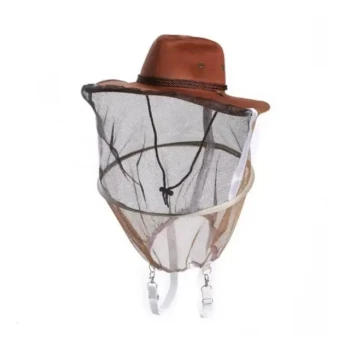
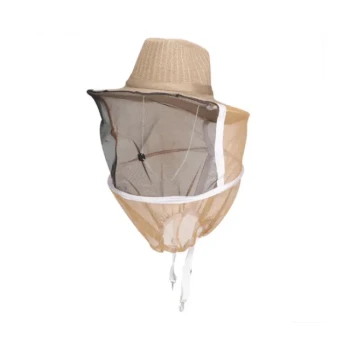
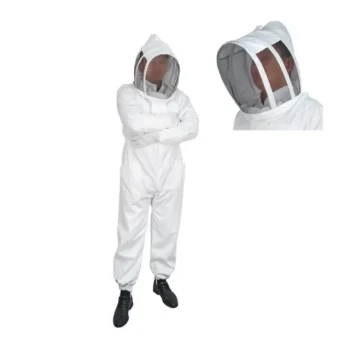
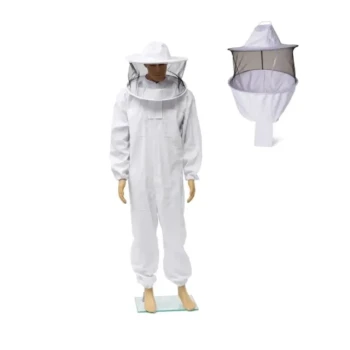
Protective consumables—specifically veils and suits—create a sealed environment for the operator. This lowers the physical entry barrier to apiculture by neutralizing the threat of stings.
Mitigating Health Risks
By preventing direct contact, this gear significantly reduces public health risks. It specifically safeguards against venom hypersensitivity reactions, which can be life-threatening for sensitized individuals.
Managing Aggressive Behaviors
In scenarios involving highly defensive species, such as Africanized honey bees, professional suits are non-negotiable. They allow technicians to focus entirely on colony management rather than personal safety during attacks.
Tools for Behavioral Control
Beyond passive protection, professional tools allow beekeepers to actively influence insect behavior to ensure operational safety.
The Role of the Smoker
The smoker is essential machinery for calming honey bee colonies. It suppresses the colony's defensive pheromones, allowing for safe inspection and harvesting.
Reducing Colony Stress
By using smokers and precision tools, beekeepers minimize the stress placed on the hive. This reduces the likelihood of the colony perceiving the beekeeper as a predator, thereby lowering the intensity of the conflict.
Transitioning to Scientific Management
Professional equipment moves beekeeping away from "random foraging" toward standardized, professional production.
Standardized Infrastructure
Professional-grade beehives provide a controlled physical environment. Unlike wild nests, these standardized structures allow for routine maintenance without destroying the colony’s home.
Precision Monitoring
Modern tools enable frequent, high-quality colony management. Beekeepers can accurately monitor colonization status, queen health, and parasite loads (such as Varroa mites) through high-transparency veils and accessible hive frames.
Operational Efficiency
Standardized equipment, including honey extractors, reduces labor intensity. This equipment minimizes damage to the colony during harvest, ensuring higher yields and faster colony recovery.
Supporting Conservation Efforts
Professional gear plays a surprising but vital role in biodiversity.
Genetic Preservation
Professional hives act as infrastructure for breeding and managing local subspecies, such as Apis mellifera. They allow for real-time population observation and genetic sampling.
Preventing Genetic Erosion
By providing a controlled environment for native species, managers can protect them from non-native genetic intrusion. This supports in-situ protection of bee genetic resources within their natural habitats.
Understanding Operational Trade-offs
While professional gear is essential, it introduces specific challenges that require balance.
Protection vs. Dexterity
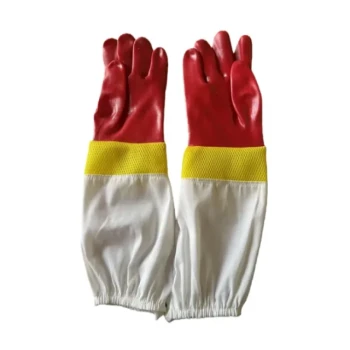
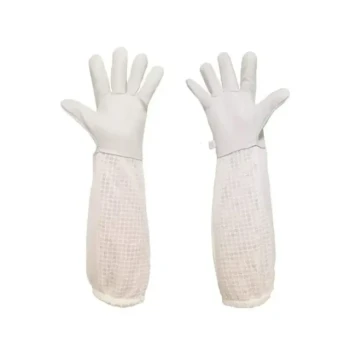
There is a direct trade-off between safety and manual precision. Heavy-duty, abrasion-resistant gloves offer maximum protection against stings but can reduce the tactile feedback required for delicate operations.
The Risk of Over-Reliance
While equipment significantly lowers risks, it does not eliminate them. Over-reliance on thick suits can sometimes lead to complacency, where a beekeeper might ignore warning signs of an exceptionally agitated colony because they feel invulnerable.
Making the Right Choice for Your Goal
To maximize the effectiveness of your beekeeping operations, select equipment based on your primary objective:
- If your primary focus is Safety and Public Health: Prioritize full-body sealed suits and high-quality smokers to neutralize aggressive behaviors and prevent venom reactions.
- If your primary focus is Commercial Production: Invest in standardized hives and precision harvesting equipment like extractors to reduce labor intensity and increase yield.
- If your primary focus is Conservation: Utilize professional-grade hives that facilitate non-invasive observation and genetic sampling of native subspecies.
Ultimately, professional equipment transforms beekeeping from a hazardous interaction into a sustainable, scientifically managed practice.
Summary Table:
| Category | Key Equipment/Consumable | Primary Benefit for Management |
|---|---|---|
| Personal Protection | Veils, Suits, and Gloves | Neutralizes sting threats; reduces public health risks. |
| Behavioral Control | Smokers | Suppresses defensive pheromones; enables safe hive inspection. |
| Infrastructure | Standardized Hives | Provides a controlled environment; facilitates routine monitoring. |
| Harvesting Tools | Honey Extractors | Minimizes colony damage; increases yield and labor efficiency. |
| Conservation Tools | Precision Monitoring Tools | Enables genetic sampling and in-situ protection of local species. |
Elevate Your Apiculture Standards with HONESTBEE
Transition from reactive hive maintenance to precise, scientific management with the industry's most reliable equipment. HONESTBEE specializes in supporting commercial apiaries and distributors by providing a comprehensive wholesale portfolio designed for operational excellence.
Our value to your business:
- Full-Spectrum Supply: From heavy-duty protective suits and precision hand tools to industrial-grade hive-making and honey-filling machinery.
- Commercial Scale: High-capacity honey extractors and standardized hardware built for high-yield production.
- Cultural Merchandise: A wide array of honey-themed goods to diversify your retail offering.
Ready to scale your beekeeping operations or restock your distribution network with world-class gear?
Contact HONESTBEE Today for Wholesale Solutions
References
- James C. Dunford, John M. Leavengood. Checklist of medically important Hymenoptera of Afghanistan. DOI: 10.5281/zenodo.5178592
This article is also based on technical information from HonestBee Knowledge Base .
Related Products
- Premium Cowboy Beekeeper Hat with Visibility Veil Outdoor Professional Beekeeping Protective Gear
- Professional Square Folding Wire Mesh Beekeeping Veil
- Beekeeper Cowboy Hat and Veil for Beekeeping
- White Cotton Beekeeping Jacket and Veil for Bee Keepers
- Beekeeping Jacket with Hood and Veil for Beekeepers
People Also Ask
- What design features contribute to the stability and fit of the beekeeper hat? Key Features for Maximum Hive Safety
- How is the beekeeper hat designed for comfort and practicality? Explore Key Features for Enhanced Apiary Safety
- What is the general protective gear recommendation for new beekeepers? Your Essential Beginner's Safety Guide
- How does beekeeping protective gear facilitate the queen bee selection process? Enhancing Precision in Queen Breeding
- What should beekeepers consider when choosing protective gear? A Guide for Maximum Safety & Comfort