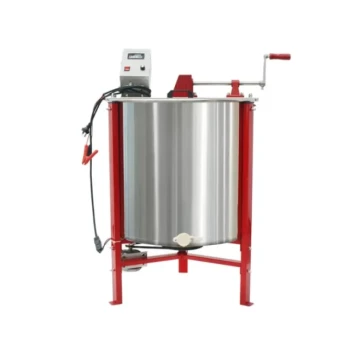
Professional extraction utilizes non-destructive mechanical precision to maximize purity. By replacing traditional harvesting methods that rely on open flames or heavy smoke, modern equipment eliminates the risk of contaminating honey with ash, combustion residues, and debris. This shift allows producers to harvest high-grade honey that meets superior hygiene standards with minimal impurity levels.
Modern beekeeping technology shifts the focus from simple collection to sanitary isolation. By physically separating the honey from external contaminants—ranging from smoke ash to brood larvae—professional tools ensure the final product retains its natural clarity and chemical integrity.
Eliminating Contamination at the Source
Removing Combustion Residues
Traditional harvesting often involves open flames or excessive smoke to subdue bees, which introduces foreign particulates into the hive. Professional extraction equipment eliminates this need by using non-destructive mechanical methods to remove honey from the comb. This prevents the infusion of ash and smoke compounds, ensuring the honey maintains its natural flavor profile without chemical tainting.
The Role of Food-Grade Materials
Modern extractors are constructed from food-grade stainless steel rather than porous or reactive metals. This material choice prevents the introduction of rust, metallic impurities, or mechanical lubricants during the high-speed spinning process. Using inert materials preserves the biological active ingredients of the honey, a critical requirement for organic certification.
Mechanical Precision and Filtration
Centrifugal Separation
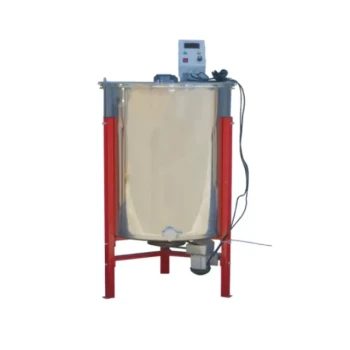
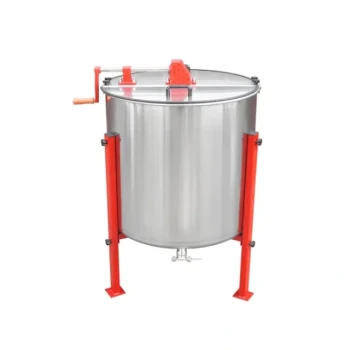
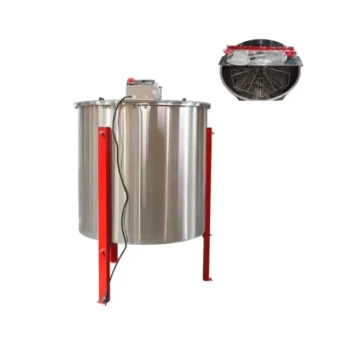
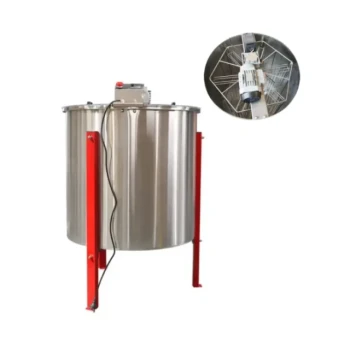
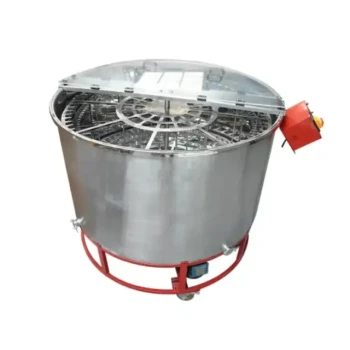
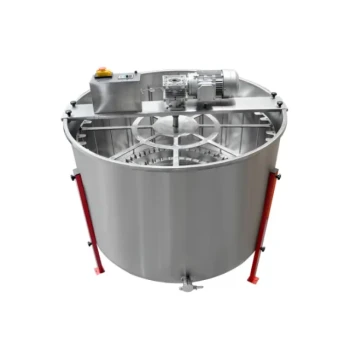
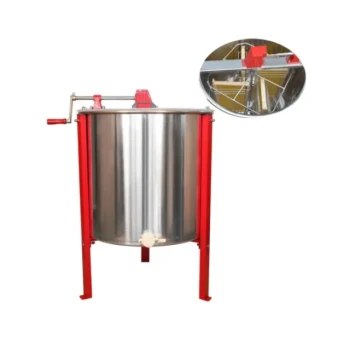
Instead of crushing the honeycomb—which mixes wax and bee parts into the liquid—professional extractors use centrifugal force. This spins the honey out of the cells while leaving the wax structure intact. The result is a cleaner raw product that requires less aggressive processing to remove solids.
Advanced Filtration Systems
Professional processing lines include temperature-controlled filtration systems designed to remove physical impurities like wax debris, bee fragments, and larvae. This equipment ensures high sensory purity, improving the honey's transparency and color. Proper filtration also prevents phase separation, ensuring the honey remains shelf-stable and visually appealing.
Structural Hive Management
Separation of Brood and Honey
Modern vertical hive designs utilize queen excluders and separate "honey supers." This system physically prevents the queen from laying eggs in the honey storage areas. By keeping larvae and brood-rearing debris out of the harvestable frames, the risk of biological contamination is virtually eliminated.
Minimizing Bee Stress
Specialized tools, including precise smoke generators and protective gear, allow for faster, less intrusive harvesting. Reducing the time the hive is open minimizes the amount of environmental debris entering the frames. Furthermore, lower stress levels in the colony reduce the likelihood of bees releasing defense pheromones that can subtly alter the honey's character.
Understanding the Trade-offs
The Risk of Over-Processing
While filtration improves clarity, aggressive ultra-filtration can remove beneficial pollen grains. This may strip the honey of its geographical fingerprint and nutritional nuance, technically reducing it to a simple syrup. Producers must balance visual purity with the preservation of the honey's natural nutritional components.
Cost and Complexity
Implementing a full suite of professional stainless steel equipment and vertical hive systems requires significant capital investment. For small-scale hobbyists, the cost of mechanized extraction and temperature control systems may outweigh the marginal gain in purity. Maintenance is also critical; complex machinery requires strict sanitation protocols to prevent cross-contamination between batches.
Making the Right Choice for Your Goal
To select the right equipment, you must define what "purity" means for your specific market.
- If your primary focus is Commercial Retail: Prioritize high-efficiency filtration and centrifugal extractors to ensure crystal-clear, sediment-free honey that appeals to mass-market consumers.
- If your primary focus is Organic Certification: Focus on food-grade stainless steel construction and minimal processing temperatures to prevent metallic contamination while preserving bio-activity.
- If your primary focus is Production Efficiency: Invest in vertical hive systems with queen excluders to automate the separation of brood from honey before the extraction process even begins.
True honey purity is achieved when the extraction process is invisible to the palate.
Summary Table:
| Equipment / Method | Impact on Purity | Key Mechanism |
|---|---|---|
| Centrifugal Extractors | Eliminates wax and debris | Spins honey out while keeping honeycomb structure intact. |
| Food-Grade Stainless Steel | Prevents chemical leaching | Uses inert materials to avoid rust and metallic contamination. |
| Advanced Filtration | Enhances visual clarity | Removes bee fragments and larvae through controlled processing. |
| Queen Excluders | Prevents biological waste | Separates the brood from honey storage areas within the hive. |
| Mechanical Tools | Eliminates smoke residues | Replaces traditional open flames, preventing ash infusion. |
Elevate Your Apiary’s Standards with HONESTBEE
At HONESTBEE, we specialize in empowering commercial apiaries and distributors with the high-precision tools needed to produce market-leading honey. Our comprehensive wholesale portfolio includes everything from specialized hardware like hive-making and honey-filling machines to essential industry consumables and honey-themed cultural merchandise.
By partnering with us, you gain access to the full spectrum of professional beekeeping machinery designed to maximize purity and operational efficiency. Let us help you deliver a product that is invisible to the palate and superior in the marketplace.
Ready to scale your production? Contact HONESTBEE for Wholesale Solutions
References
- Chinedum Jachinma Chiemela, Angela OBETTA. Economics analysis of the use of modern and traditional methods in honey production among farmers in Enugu State Nigeria. DOI: 10.20289/zfdergi.1162027
This article is also based on technical information from HonestBee Knowledge Base .
Related Products
- electric honey extractor honey centrifuge 3 frame honey extractor stainless steel honey frame extractor
- Manual Hand Crank 4 Frame Honey Extractor Centrifuge for Beekeeping
- Professional 4 Frame Self Reversing Electric Honey Extractor for Beekeeping
- 24 Frame Honey Extractor Commercial Radial Honey Frame Extraction Machine
- Electric 4 Frame Tangential Honey Extractor
People Also Ask
- What are the characteristics of electric honey extractors? Boost Your Apiary Efficiency with Automated Technology
- What are the disadvantages of using an electric honey extractor? Weighing Cost, Power, and Comb Safety
- What are the advantages of an electric honey extractor? Boost Efficiency and Scale Your Honey Production
- What are the technical advantages of electric honey extractors? Maximize Yield and Protect Your Bee Colony
- How does an electric honey extractor affect the quality of honey? Preserve Flavor & Purity with Precision Extraction