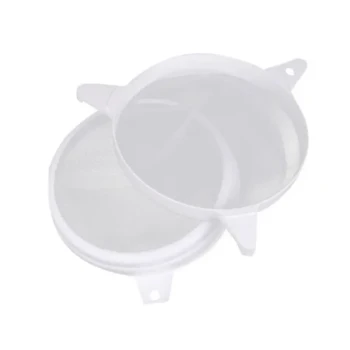
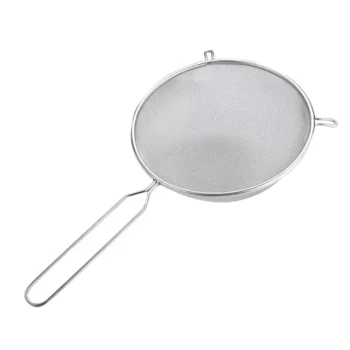
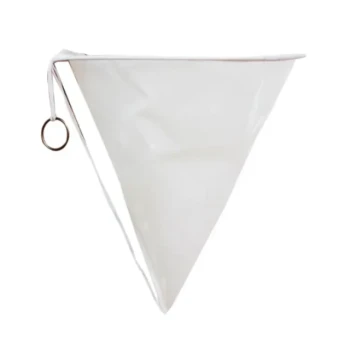
The primary purpose of using multi-stage filtration equipment during fine filtration is to mechanically separate solid impurities—specifically wax debris, larval remains, and particulate matter—from the liquid honey. This process is designed to achieve high visual clarity and purity while strictly preserving the honey's natural nutritional components.
The transition from raw extraction to a shelf-ready product relies on balancing purification with preservation. Multi-stage filtration functions as a critical quality control gate, eliminating contaminants that threaten shelf life and visual appeal without stripping the honey of the essential properties required for high-end markets.
Achieving Commercial Purity
To transform raw honey into a commercially viable product, producers must address physical contamination that occurs during extraction.
Removal of Physical Contaminants
The core function of this equipment is the physical interception of debris. As honey moves through multiple stages of filtration, the system progressively removes wax particles, pollen clusters, and bee remains that are unavoidable during the harvest.
Prevention of Chemical Spoilage
Filtration does more than clean the honey visually; it chemically stabilizes it. By removing biological matter, such as larval proteins and eggs, the equipment prevents decomposition that can lead to off-flavors or rancidity, thereby significantly extending the product's shelf life.
Eliminating Crystallization Nuclei
Microscopic impurities often act as "seeds" that accelerate crystallization. By removing these fine particles, multi-stage filtration helps maintain the honey in a liquid state for longer periods, ensuring better fluidity and storage stability.
Enhancing Sensory Quality
For honey to succeed in supermarkets and high-end retail sectors, it must meet specific sensory expectations regarding look and feel.
Optimizing Visual Clarity
Consumers associate quality with transparency. Multi-stage filtration enhances the clarity and color of the honey, removing the cloudiness associated with crude, unfiltered products.
Ensuring Texture Consistency
The process ensures a smooth, uniform texture. By eliminating granular debris, the equipment ensures the honey meets the "mouthfeel" standards expected of premium table honey.
Understanding the Trade-offs
While filtration is necessary for commercial distribution, improper application can degrade the product's value.
The Risk of Over-Processing
The goal is controlled precision, not total sterilization. If the filtration mesh is too fine, it risks filtering out beneficial components like natural pollen, which can strip the honey of its nutritional profile and classify it as merely syrup in some jurisdictions.
Hardware Dependencies
Achieving this level of consistency requires specific materials. The system relies on professional-grade consumables, such as multi-layer nylon mesh or stainless steel fine filters, to ensure hygiene and prevent cross-contamination.
Making the Right Choice for Your Goal
The configuration of your filtration system should depend on your final market destination.
- If your primary focus is High-End Retail: Prioritize filtration precision to maximize visual clarity and shelf stability, as these are the primary drivers for supermarket access and price premiums.
- If your primary focus is Nutritional Integrity: Calibrate your filtration stages to remove wax and biological debris while ensuring the mesh size allows natural pollen to remain in the final product.
Multi-stage filtration is the defining technical step that allows honey producers to command market premiums by delivering a product that is visibly pure yet nutritionally intact.
Summary Table:
| Filtration Objective | Target Contaminants | Impact on Final Product |
|---|---|---|
| Physical Purity | Wax debris, bee remains, particulate matter | High visual clarity and debris-free texture |
| Chemical Stability | Larval proteins and biological eggs | Prevents rancidity and extends shelf life |
| Crystallization Control | Microscopic nuclei and fine dust | Maintains liquid state and improves fluidity |
| Sensory Quality | Cloudiness and granular particles | Optimized color transparency and smooth mouthfeel |
Elevate Your Honey Production with HONESTBEE
To compete in high-end retail markets, your honey requires precision processing that balances purity with nutritional integrity. HONESTBEE specializes in supporting commercial apiaries and distributors with professional-grade honey-filling machines, specialized filtration hardware, and a comprehensive range of beekeeping equipment.
Whether you are scaling your extraction line or sourcing essential industry consumables, our wholesale solutions are designed to enhance your operational efficiency and product quality.
Ready to optimize your honey processing? Contact us today to discuss your equipment needs!
References
- Pratibha Budhathoki-Chhetri, Sabitri Baral. Economic analysis and marketing system of Apis mellifera honey production in Dang, Nepal. DOI: 10.3126/janr.v4i1.33249
This article is also based on technical information from HonestBee Knowledge Base .
Related Products
- Professional Stainless Steel Honey Filtering Machine with Water Bath Heating for Beekeeping
- Electric Double Wall Honey Filtering Machine Purifier Equipment for Honey Processing Plant
- Two-Stage Plastic Honey Filter for Buckets
- Honey Concentrating and Filtering Dehumidifier Machine 2T Capacity for Honey
- 0.5T Capacity Honey Dehumidifier Dryer with Vacuum Heating and Thickening Filtering Machine
People Also Ask
- Is it necessary to filter honey after extraction? A Guide to Straining vs. Raw Honey
- What is the best way to filter honey? A Guide to Quality, Clarity, and Raw Preservation
- Why is filtering honey an important step in honey processing? Ensure Purity, Clarity & Marketability
- Why do people filter honey? For Clarity, Stability, and Consumer Appeal
- What are the benefits of using honey filters? Achieve Purity, Efficiency, and Market Appeal