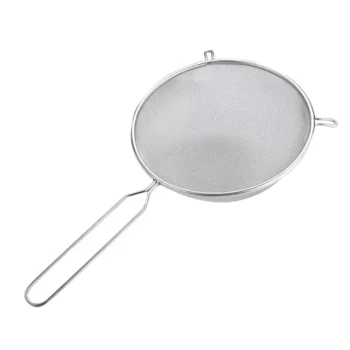
Disposable filtration consumables act as the primary purification barrier in the honey processing line. They function to physically strip raw honey of unwanted impurities, hive debris, and micro-particles, directly facilitating food safety compliance and the high-clarity aesthetic required for retail shelves.
By isolating solid contaminants from the liquid product, these consumables ensure the final honey is both safe for consumption and visually transparent, essential for maintaining commercial value.
The Mechanics of Purification
Removing Physical Contaminants
Raw honey naturally contains foreign matter introduced during the extraction process. Disposable filtration consumables capture impurities and hive debris that would otherwise compromise the texture and hygiene of the final product. This physical treatment ensures that organic solids do not make it into the bottling phase.
Enhancing Visual Clarity
Beyond basic hygiene, these consumables tackle micro-particles that contribute to cloudiness. By filtering out fine wax particles and other suspended solids, the system ensures the honey achieves the high degree of transparency expected by consumers.
Eliminating Trapped Air
Advanced filtration also assists in removing air bubbles entrained during pumping or extraction. Removing these bubbles is vital for product density and preventing foam formation in the final package.
Strategic Importance in the Workflow
Compliance with Food Safety
The use of these consumables is a critical control point for food safety standards. By physically removing potential contaminants, producers can certify that the honey is clean and safe for public consumption.
Consistent Product Quality
Honey is a delicate product that requires stable handling. Filtration ensures that every batch maintains consistent purity and transparency, regardless of variations in the raw harvest.
Understanding the Trade-offs
Operational Cost vs. Hygiene
The primary downside of disposable consumables is the recurring operational cost compared to reusable metal filters. However, this cost buys absolute hygiene reliability. Reusable filters require rigorous cleaning, which introduces the risk of cross-contamination or water introduction—both of which can ruin a batch of honey.
Waste Generation
Using disposable media inherently generates more waste than permanent systems. Producers must weigh the environmental impact of disposal against the water and chemical usage required to clean permanent filtration systems.
Making the Right Choice for Your Goal
- If your primary focus is Commercial Retail: Prioritize finer filtration grades to maximize visual clarity and remove all micro-particles for a polished, shelf-ready look.
- If your primary focus is Operational Efficiency: Select consumables that balance flow rate with filtration size to prevent bottlenecks while maintaining food safety standards.
Properly implemented, disposable filtration is the guarantee that separates raw agricultural output from a refined, market-ready commodity.
Summary Table:
| Feature | Function in Honey Processing | Benefit to Producer |
|---|---|---|
| Physical Purification | Removes hive debris, wax, and organic solids | Ensures hygiene and food safety compliance |
| Micro-particle Filtering | Eliminates fine particles that cause cloudiness | Achieves high visual clarity for retail shelves |
| De-aeration | Assists in the removal of trapped air bubbles | Prevents foam formation and improves product density |
| Single-use Design | Eliminates the need for rigorous chemical cleaning | Reduces cross-contamination risk and operational downtime |
Elevate Your Honey Production with HONESTBEE
Maintaining the highest standards of purity and clarity is essential for commercial apiaries and distributors. At HONESTBEE, we specialize in providing a comprehensive wholesale range of beekeeping tools, machinery, and essential consumables designed to optimize your workflow.
Whether you need precision filtration media, advanced honey-filling machines, or specialized hive-making hardware, our portfolio is built to support your growth. Let us help you transform raw harvest into a premium commodity with equipment that guarantees consistency and quality.
Ready to scale your operation? Contact us today to discuss your wholesale needs!
References
- Alissa Kendall, Sonja Brodt. Carbon footprint and air emissions inventories for US honey production: case studies. DOI: 10.1007/s11367-012-0487-7
This article is also based on technical information from HonestBee Knowledge Base .
Related Products
- Conical Nylon Honey Strainer Filter Bag for Beekeeping and Honey Filtration
- Professional Stainless Steel Honey Filter with Support Handle
People Also Ask
- What is the primary function of specialized filtering bags in honey purification? Enhance Quality & Equipment Life
- What are the primary functions of using muslin cloth or stainless steel filters? Ensure Pure and Marketable Honey
- What are the benefits of using a honey strainer for beekeepers? Achieve Clean, High-Quality Honey Efficiently
- What is the primary function of a honey strainer in beekeeping? Achieve Commercial Purity & Visual Clarity
- What can I use to strain honey? A Beekeeper's Guide to Choosing the Right Filter