Professional feeding systems serve as a critical stabilization mechanism for urban honeybee colonies. By utilizing specialized equipment such as internal frame feeders and syrup feeders, beekeepers deliver high-quality syrup and pollen supplements directly to the hive. This technical intervention bridges the gap during nectar shortages, preventing starvation and maintaining the population density required for survival in complex urban ecosystems.
Professional feeding is not merely about preventing starvation; it is a strategic tool to maintain the queen’s egg-laying consistency and the colony's metabolic rhythm, ensuring the population remains robust enough to capitalize on future nectar flows.
Mechanisms of Nutritional Support
Precision Delivery Systems
Modern feeding equipment, such as internal frame feeders or top feeders, allows for the controlled delivery of nutrients. These devices channel food directly to the core area of the hive, ensuring immediate access for the colony.
By placing food internally, beekeepers minimize the risk of robbing by other insects and protect the resources from external weather conditions. This targeted approach is essential when natural foraging is impossible due to rain or cold.
The Role of Specific Consumables
The consumables used—typically high-quality sugar syrup or high-fructose corn syrup—act as a direct energy substitute for nectar. These carbohydrates fuel the daily metabolic activities of the worker bees.
In addition to energy, systems often deliver pollen substitutes or protein patties. These supplements are vital for brood rearing, providing the amino acids necessary for larval development when natural pollen is scarce.
Dual-Purpose Functionality
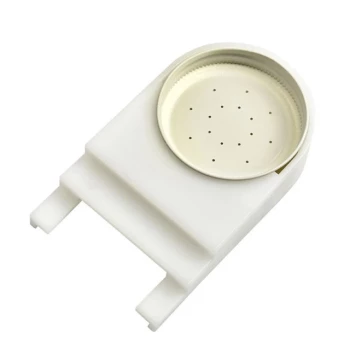
Beyond nutrition, specific devices like feeder pots serve a secondary technical function. They act as a medium for administering medications to treat bee diseases.
This integration allows beekeepers to address nutritional deficits and health challenges simultaneously, maintaining year-round colony vitality.
Biological Stability and Colony Continuity
Maintaining Egg-Laying Consistency
A primary biological goal of feeding systems is to mimic a natural nectar flow. This artificial stimulation encourages the queen bee to continue laying eggs at a steady rate.
Without this consistent input, the queen may reduce or cease egg production in response to a resource dearth. A gap in brood rearing can lead to a dangerous population drop later in the season.
Preventing Collapse and Absconding
Urban environments often suffer from fragmented resources, leading to sudden nutritional deficiencies. If a colony perceives a severe lack of food, it may trigger absconding behavior, where the bees migrate to find better resources.
Timely intervention with feeding systems prevents this migration. It stabilizes the colony structure, preventing the population collapse that often follows prolonged periods of starvation.
Preparation for Future Flows
Survival is the baseline, but the ultimate goal is production. By preventing colony shrinkage during a dearth, the apiary maintains a sufficient population of worker bees.
When the next urban bloom occurs—such as lychee or rapeseed—the colony is already at full strength and ready to maximize honey production immediately.
Operational Considerations and Trade-offs
Managing Dependency and Timing
While essential, feeding systems require precise management. Beekeepers must utilize precise ratios of syrup to water appropriate for the season (e.g., winter survival vs. spring stimulation).
Mismanagement of these ratios or timing can lead to inefficient resource usage. The goal is to supplement natural forage, not to replace it permanently, ensuring the bees remain active foragers when conditions allow.
The Cost of Intervention
Implementing professional feeding systems introduces an operational cost in terms of equipment and consumables. However, this cost is offset by the prevention of colony loss.
In an urban setting where moving hives (mobile beekeeping) to follow nectar flows is often logistically impossible, these feeding systems become the most viable economic safeguard for the apiary.
Making the Right Choice for Your Goal
To maximize the effectiveness of your feeding strategy, align your intervention with your specific colony objectives:
- If your primary focus is Colony Survival (Winter/Drought): Prioritize high-concentration sugar syrup delivered via internal feeders to provide the essential calories needed to maintain metabolic heat and prevent starvation.
- If your primary focus is Population Growth: Utilize pollen substitutes and protein patties to stimulate the queen's egg-laying and support vigorous brood rearing before the main honey flow.
- If your primary focus is Disease Management: Use feeder pots to administer medicated syrup, leveraging the feeding drive to ensure widespread distribution of the treatment throughout the colony.
By treating feeding systems as a precision tool rather than a generic safety net, you ensure the resilience and productivity of your urban apiary.
Summary Table:
| System/Consumable | Primary Function | Key Benefit |
|---|---|---|
| Internal Frame Feeders | Controlled nutrient delivery | Prevents robbing & protects food from weather |
| High-Quality Sugar Syrup | Carbohydrate/Energy source | Mimics natural nectar to sustain metabolic activity |
| Pollen Substitutes | Protein/Amino acid supply | Supports brood rearing & queen egg-laying consistency |
| Feeder Pots | Dual-purpose administration | Facilitates efficient delivery of health medications |
| Strategic Supplements | Population maintenance | Ensures colony is at full strength for future nectar flows |
Secure Your Apiary’s Future with HONESTBEE
Don't let nectar dearths compromise your colony's productivity. HONESTBEE provides commercial apiaries and distributors with the industry's most reliable professional feeding systems, hive-making machinery, and essential consumables.
Whether you are scaling an urban beekeeping operation or supplying the next generation of beekeepers, our comprehensive wholesale portfolio offers everything from precision honey-filling machines to specialized hardware designed for resilience.
Maximize your hive survival and honey yields today.
Contact our specialists for wholesale pricing and expert equipment guidance
References
- Agnès Fortier, Catalina Agnès. Butiner la ville ?. DOI: 10.4000/etudesrurales.23583
This article is also based on technical information from HonestBee Knowledge Base .
Related Products
- HONESTBEE Entrance Bee Feeder Efficient Hive Front Liquid Feeding Solution for Beekeeping
- HONESTBEE Professional Hive Top Bee Feeder Feeding Solution
- HONESTBEE Entrance Bee Feeder Professional Hive Nutrition Solution for Beekeeping
- HONESTBEE Professional Entrance Bee Feeder Hive Nutrition Solution
- HONESTBEE Round Hive Top Bee Feeder for Syrup
People Also Ask
- What types of bee feeders are available for beginners? Start with the Simple Entrance Feeder
- What are the advantages and disadvantages of using an entrance feeder for bees? Balance Convenience and Hive Security.
- What is a bee entrance feeder and what are its drawbacks? Essential Guide to Hive Security and Feeding Efficiency
- How does a bee entrance feeder work? A Simple Guide to Convenient Hive Feeding
- How to make an entrance feeder for bees? A DIY Guide for Safe & Effective Feeding