Professional transport machinery and loading equipment directly correlate to higher honey yields by minimizing the biological cost of transit and maximizing the operational window for foraging. These specialized systems utilize advanced shock absorption and ventilation to drastically reduce colony stress and mortality rates during long-distance migration. Simultaneously, efficient loading mechanisms accelerate deployment, ensuring bees can begin harvesting nectar immediately upon reaching a new site, which is vital for capturing short-duration nectar flows.
In transhumance beekeeping, the machinery is not just for transport; it is a life-support system. By preserving colony energy and minimizing downtime, specialized equipment ensures that bees arrive at nectar sources ready to work rather than needing recovery, directly translating into higher total honey production.
Preserving Colony Vitality During Transit
Mitigating Physical Stress
Standard transport vehicles often subject hives to excessive vibration and impact. Professional machinery is equipped with advanced shock absorption systems designed specifically to dampen these forces.
This protection is critical because physical stress causes agitation and energy depletion within the hive. By maintaining a stable environment, the machinery prevents physical damage to hive structures and reduces the energy cost bees must expend to repair combs or re-cluster.
Controlling the Microclimate
The greatest risk to bees during transport is suffocation and overheating. Specialized transport units feature integrated ventilation systems that ensure consistent airflow through the hives.
This prevents the internal temperature from spiking, which is a common cause of mass colony mortality during long hauls. Keeping the colony cool and oxygenated ensures that the population density remains high enough to maximize yields upon arrival.
Maximizing Foraging Windows
Reducing Transit Latency
Time spent on a truck is time lost for honey production. Efficient loading and unloading equipment streamline the physical logistics of moving hundreds of hives.
This specialized gear minimizes the "downtime" bees experience between locations. Rapid unloading allows the colony to orient itself and begin foraging cycles almost immediately.
Capturing Ephemeral Nectar Flows
Nectar flows are often short-lived events. The rapid turnover facilitated by professional loading equipment is critical for timing these windows perfectly.
By reducing setup time, beekeepers can align their arrival with the peak of the bloom. This precision allows colonies to maximize their acquisition of natural nectar, significantly increasing total honey output compared to slower, manual operations.
Understanding the Operational Trade-offs
Capital Investment vs. Yield
While professional machinery increases yield, it represents a significant capital expenditure. The cost of specialized trucks and loaders must be weighed against the scale of the operation; for smaller apiaries, the ROI may take longer to realize than for commercial enterprises.
Maintenance and Specificity
This equipment is highly specialized. Unlike general-purpose trucks, transhumance machinery requires specific maintenance protocols to ensure the ventilation and shock absorption systems remain effective. Failure to maintain these specific components can lead to a false sense of security and unexpected colony losses.
Making the Right Choice for Your Goal
To select the appropriate equipment for your specific operational needs, consider the following:
- If your primary focus is maximizing yield from short blooms: Prioritize loading equipment with high-speed hydraulics to minimize setup time and maximize foraging hours.
- If your primary focus is long-distance migration: Prioritize transport machinery with superior shock absorption and active ventilation to maintain colony density over high mileages.
- If your primary focus is cost management: Evaluate if reinforced mobile beehive systems can offer sufficient protection without the need for fully dedicated heavy transport machinery.
Investing in the right logistics hardware effectively transforms transportation from a stressful risk factor into a strategic advantage for honey production.
Summary Table:
| Feature | Impact on Colony | Benefit to Honey Yield |
|---|---|---|
| Advanced Shock Absorption | Reduces hive agitation and comb damage | Preserves bee energy for immediate foraging |
| Integrated Ventilation | Prevents overheating and suffocation | Maintains high population density for harvest |
| Rapid Loading Hydraulics | Minimizes transit downtime | Enables capture of short-duration nectar flows |
| Climate-Controlled Units | Stabilizes internal hive microclimate | Reduces recovery time after long-distance moves |
Maximize Your Commercial Honey Production with HONESTBEE
Transitioning colonies over long distances shouldn't compromise your harvest. HONESTBEE specializes in empowering commercial apiaries and distributors with the robust machinery and precision tools needed to thrive. From heavy-duty hive-making machines to high-efficiency honey-filling equipment and essential consumables, we provide the complete infrastructure for a modern beekeeping business.
Whether you are scaling your fleet for transhumance or upgrading your processing facility, our team is ready to supply the hardware that secures your ROI. Contact HONESTBEE today to discuss our wholesale offerings and let us help you build a more productive apiary.
References
- Sinan DURU, Oğuz Parlakay. Türkiye’de iklim değişikliğinin bal verimine etkisi: ARDL sınır testi yaklaşımı. DOI: 10.37908/mkutbd.1000097
This article is also based on technical information from HonestBee Knowledge Base .
Related Products
- Plastic Transporting Bee Packages and Nuc Boxes for Beekeeping
- Professional Frame Comb Fork and Lifter for Efficient Handling
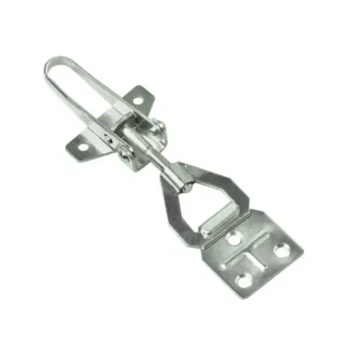
- Heavy Duty Adjustable Hive Connector
- Ergonomic Two Person Foldable Hive Lifter
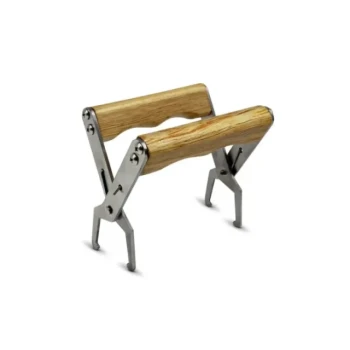
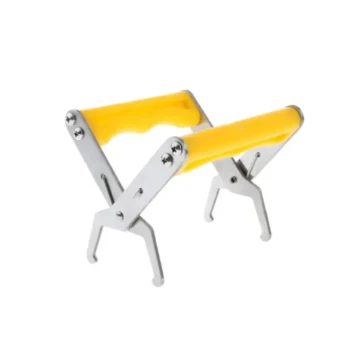
- Premium Frame Grip with Ergonomic Wood Handles
People Also Ask
- What role do bee package boxes play in the commercial transport and expansion of honeybee colonies? - Logistic Essentials
- What are beekeeping boxes called? A Guide to Hive Bodies and Box Types
- How do standardized bee packages serve as a recovery mechanism for commercial beekeeping? Ensure Business Continuity
- What is the commercial value of using standardized bee packages? Drive Scalability in Large-Scale Apiaries
- Why is the timely introduction of high-quality bee packages critical? Save Your Apiary from Asian Hornet Invasions