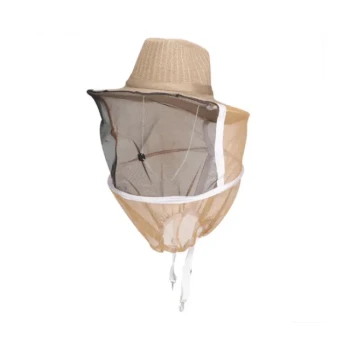
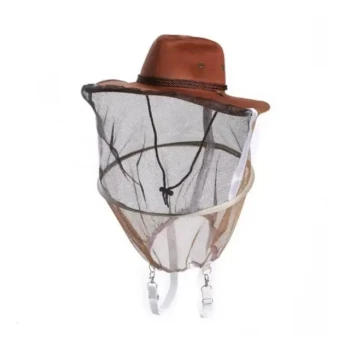
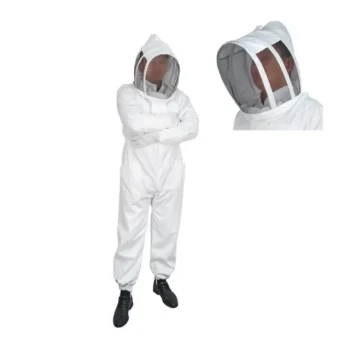
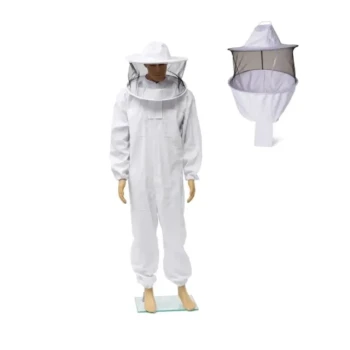
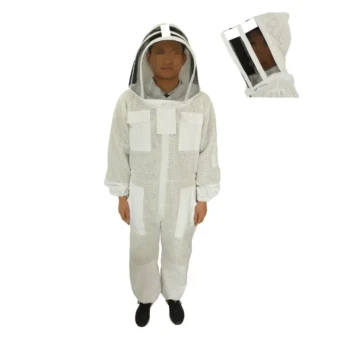
Protective equipment in beekeeping is not merely about personal safety; it is an operational requisite for technical precision. Industrial-grade veils and gloves provide a reliable physical barrier that allows technicians to maintain mental focus and physical stability. By eliminating the fear of stings, these tools prevent rushed or panicked reactions, ensuring that delicate tasks are performed correctly without causing secondary stress to the colony.
By providing a secure environment for the operator, protective gear transforms beekeeping from a defensive, reactive struggle into a proactive, controlled management strategy.
The Physiology of Precision
The primary contribution of protective gear is the stabilization of the technician's behavior.
Maintaining Motor Control
When a beekeeper fears a sting, the body’s natural reaction is to flinch or rush. Gloves and veils neutralize this fight-or-flight response, allowing for slow, deliberate hand movements. This steadiness is critical when handling heavy frames or operating sharp tools like hive scrapers.
Reducing Colony Stress
Bees react aggressively to fast, jerky movements. Because protective gear allows the operator to move calmly, the bees remain undisturbed. This prevents a feedback loop of aggression, keeping the colony calm during invasive procedures.
Enabling Delicate Operations
High-level tasks, such as queen rearing or grafting, require fine motor skills and intense concentration. Safety gear serves as a foundational guarantee for these advanced techniques. Without the distraction of defensive bees, operators can focus entirely on the biological requirements of the task.
Operational Frequency and Consistency
Beyond the immediate physical act of inspection, protective gear influences the long-term management strategy of the apiary.
Lowering Barriers to Inspection
If an operator feels vulnerable, they are less likely to perform necessary routine checks. High-quality gear increases confidence, encouraging more frequent hive management. This consistency is vital for spotting issues before they become critical failures.
Proactive Health Management
With the ability to inspect hives safely and frequently, technicians can promptly identify pests and diseases. This leads to earlier interventions regarding issues like Varroa mites or foulbrood. Timely identification is the key to socio-economic sustainability in professional beekeeping projects.
Streamlining Workflow
Modern protective garments often integrate utility features, such as specialized pockets for tools. This ensures that essential items like hive tools or queen markers are immediately accessible. This organization reduces the time the hive is open, minimizing the disruption to the colony's internal climate.
Understanding the Trade-offs
While protective gear is essential, relying on it blindly can introduce operational inefficiencies.
The Dexterity Compromise
Heavy-duty gloves, while safe, can significantly reduce tactile feedback. Thick leather can lead to clumsy handling, potentially crushing bees during frame manipulation. Crushed bees release alarm pheromones, which can incite the very aggression the gear is meant to protect against.
The Heat Factor
Full protective suits can cause overheating, leading to operator fatigue. A fatigued operator makes poor decisions and physical errors. It is crucial to balance protection with ventilation to maintain cognitive sharpness during long operational shifts.
False Security
New technicians may over-rely on gear and neglect learning to read bee behavior. Gear should not replace the skill of using a smoker or understanding colony temperament. Protection is a backup, not a substitute for good technique.
Making the Right Choice for Your Goal
Selecting the right protective equipment depends on the specific technical operation you are prioritizing.
- If your primary focus is aggressive colony management: Prioritize heavy-duty leather gloves and thick, multi-layer suits to ensure total sting prevention and maximum confidence.
- If your primary focus is delicate queen rearing: Opt for thin nitrile gloves or specialized thin leather to maximize tactile sensitivity and precision, accepting a slightly higher risk for better control.
- If your primary focus is general high-frequency inspection: Choose ventilated gear with integrated tool storage to balance protection with comfort and workflow efficiency.
True expertise lies in using protection to facilitate calmness, ensuring that every movement serves the health of the hive.
Summary Table:
| Feature | Impact on Technical Operations | Key Benefit |
|---|---|---|
| Physical Protection | Neutralizes fight-or-flight responses | Enables calm, steady motor control |
| Sting Prevention | Reduces operator anxiety and rushing | Minimizes bee aggression and colony stress |
| Tactile Sensitivity | Choice of material (leather vs. nitrile) | Balances safety with fine-motor precision |
| Ventilation/Comfort | Reduces heat-induced fatigue | Maintains cognitive focus during long shifts |
| Integrated Utility | Built-in tool storage and accessibility | Streamlines workflow and reduces hive open-time |
Elevate Your Apiary Operations with HONESTBEE
At HONESTBEE, we understand that for commercial apiaries and professional distributors, protective gear is a critical tool for operational excellence. We provide a comprehensive wholesale range of industrial-grade beekeeping equipment—from high-precision veils and gloves to advanced hive-making and honey-filling machinery.
Why partner with HONESTBEE?
- Total Solutions: We supply the full spectrum of tools, machinery, and essential consumables.
- Commercial Scalability: Our portfolio is designed to meet the rigorous demands of large-scale operations.
- Expert Support: We help you select the right gear to balance protection with the dexterity required for advanced queen rearing and hive management.
Ready to enhance your efficiency and colony health? Contact us today to explore our wholesale catalog and see how our hardware and cultural merchandise can add value to your business.
References
- Dipak Khanal, Shreekrishna Neupane. An Overview of Bee Keeping in Rupandehi District, Nepal over Seven Years. DOI: 10.3126/nepjas.v29i01.85433
This article is also based on technical information from HonestBee Knowledge Base .
Related Products
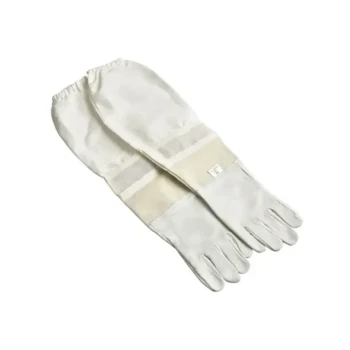
- Goatskin Leather Beekeeper Gloves with Vent Long Sleeve for Beekeeping Honey Bee Sting Proof Protection
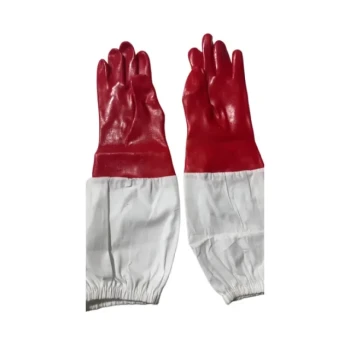
- Heavy Duty Red Rubber Beekeeping Gloves with Extended Pure Cotton Sleeves for Beekeepers
- Beekeeping Gloves Goatskin Leather with Long Cotton Sleeve for Beekeepers
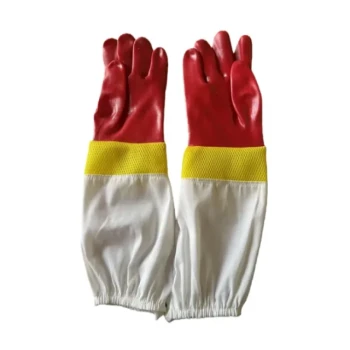
- Heavy Duty Red Rubber Beekeeping Gloves with Vented Mesh Cotton Sleeves
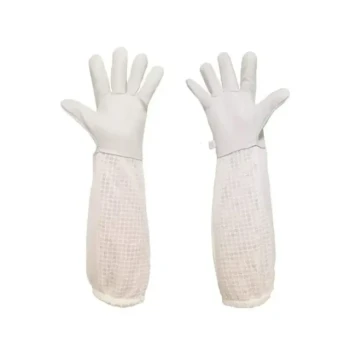
- Premium Ventilated Goatskin Beekeeping Gloves with Full 3-Layer Mesh Sleeve
People Also Ask
- What are the characteristics of goatskin beekeeping gloves? Enhance Dexterity and Protection in Your Apiary
- Why is it important to have gloves available even if not always worn? Essential Risk Management for Beekeepers
- What are the primary purposes of using beekeeping gloves? Protect Your Hands and Ensure Apiary Hygiene
- Why do some experienced beekeepers opt not to wear gloves? Discover the Benefits of Tactile Precision
- Why is it important for beekeepers to wear gloves? Essential Safety and Confidence for Hive Management