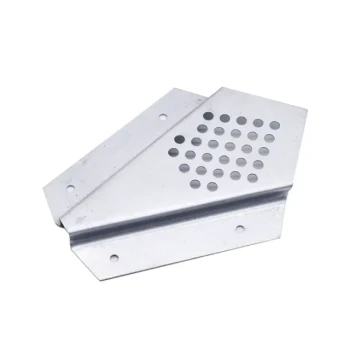
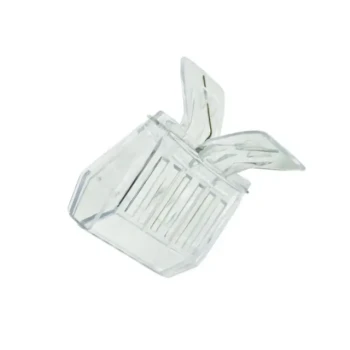
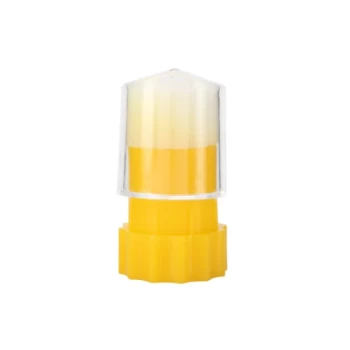
Queen excluders act as a critical organizational tool within the hive structure to streamline testing workflows. By utilizing precision physical gaps, these barriers restrict the queen bee’s movement to specific lower boxes, preventing her from laying eggs throughout the entire stack and consolidating the brood into a predictable, accessible zone.
By limiting the queen's egg-laying range, excluders create a concentrated area of brood activity. This ensures that the capped brood frames needed for hygiene detection maintain a consistent age gradient, allowing for rapid identification and sampling.
The Mechanics of Excluder-Assisted Detection
Creating a Defined Brood Zone
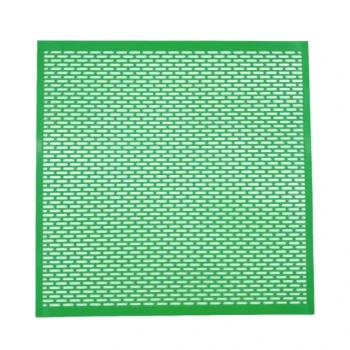
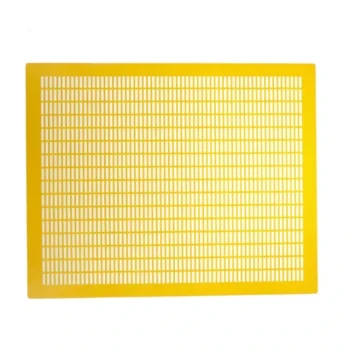
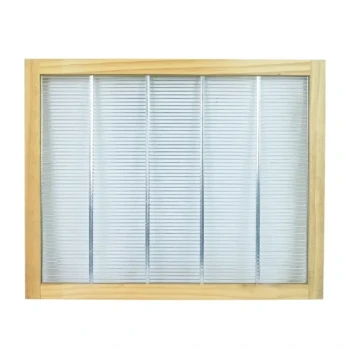
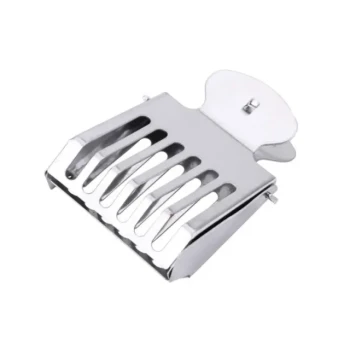
Queen excluders function as precision physical barriers designed with specific pore sizes. These pores are large enough to allow worker bees to move freely between boxes but are too small for the larger queen to pass through.
By installing this grid above the brood chamber, you effectively confine the queen's egg-laying activities to the lower sections of the hive. This separation is the foundational step for organized colony management.
Standardizing Brood Age
For hygiene detection to be accurate, you often need to test specific types of brood, such as capped brood frames. Without an excluder, the queen may lay eggs sporadically across multiple boxes, creating a scattered distribution of brood stages.
The excluder ensures that brood frames within the confined area develop with a consistent age gradient. This uniformity allows you to predict where the right age of brood will be located without sorting through every frame in the hive.
Accelerating the Inspection Workflow
Time efficiency is critical when managing multiple colonies. In a hive without an excluder, locating appropriate test samples requires inspecting every box to distinguish between honey stores and brood.
Because the excluder guarantees that the upper boxes remain free of eggs, you can immediately bypass them during hygiene inspections. You can go directly to the designated brood chamber to quickly locate appropriate test samples.
Understanding the Trade-offs
Impact on Natural Movement
While excluders offer significant logistical benefits for the beekeeper, they strictly impose artificial limits on the colony structure. The queen is physically prevented from utilizing the upper resources of the hive, which creates a hard boundary between the brood nest and honey stores.
Importance of Grid Precision
The efficacy of this method relies entirely on the integrity of the "bee grid." If the physical gaps are damaged or manufactured with incorrect pore sizes, the queen may breach the barrier, or worker bees may be hindered. This would negate the organizational benefits and disrupt the colony's rhythm.
Making the Right Choice for Your Goal
To maximize the effectiveness of your hygiene detection process, align your use of excluders with your specific management objectives:
- If your primary focus is Inspection Speed: Use excluders to strictly confine the queen to the bottom box, allowing you to ignore upper supers during brood inspections.
- If your primary focus is Sample Accuracy: Utilize excluders to force a consistent age gradient in the brood nest, ensuring you always have access to capped brood frames at the correct developmental stage.
Strategic use of queen excluders turns the complex variable of brood location into a fixed, manageable constant.
Summary Table:
| Feature | Impact on Hygiene Detection | Management Benefit |
|---|---|---|
| Brood Confinement | Restricts egg-laying to specific lower boxes | Eliminates the need to search entire hive stacks |
| Age Standardization | Creates a consistent developmental gradient | Ensures reliable access to capped brood for testing |
| Physical Separation | Keeps upper supers 100% brood-free | Reduces inspection time and minimizes colony disturbance |
| Grid Precision | Ensures reliable queen restriction | Maintains organizational integrity across large apiaries |
Scale Your Apiary Efficiency with HONESTBEE
At HONESTBEE, we understand that for commercial apiaries and distributors, precision is the key to profitability. Our high-quality queen excluders and bee grids are engineered for the exact tolerances required to streamline your hygiene detection and hive management workflows.
Whether you are looking for wholesale beekeeping tools, specialized hive-making machinery, or advanced honey-filling equipment, HONESTBEE provides a comprehensive spectrum of industry-leading solutions. From essential consumables to honey-themed cultural merchandise, we equip your business for success.
Ready to optimize your production? Contact our expert team today to discuss how our wholesale offerings can enhance your operations.
References
- Gianluigi Bigio, Francis L. W. Ratnieks. Hygienic Behavior in Honey Bees (Hymenoptera: Apidae): Effects of Brood, Food, and Time of the Year. DOI: 10.1603/ec13076
This article is also based on technical information from HonestBee Knowledge Base .
Related Products
- High Performance Plastic Queen Excluder for Beekeeping and Apiary Management
- Professional Plastic Queen Excluder for Modern Beekeeping
- Lightweight Durable Plastic Queen Excluder Scraper for Beekeeping
- Metal Queen Bee Excluder for Beekeeping
- Premium Wood Framed Metal Wire Queen Bee Excluder
People Also Ask
- What are the characteristics of a plastic queen excluder? Key Benefits for Cost-Effective Beekeeping
- What are the operational and cost advantages of using plastic queen excluders over metal or wire excluders in commercial hive management? Discover how they reduce labor, prevent wing damage, and lower total costs.
- What types of queen excluders are available for beekeepers? Choose the Right Tool for Your Hive
- Why are standardized hive frames and queen excluders essential for maintaining honey purity and quality? Scale Your Purity
- Do plastic queen excluders work? A Cost-Effective Solution for Modern Apiaries