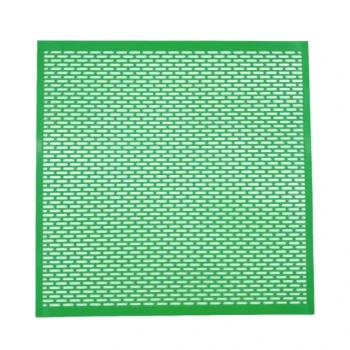
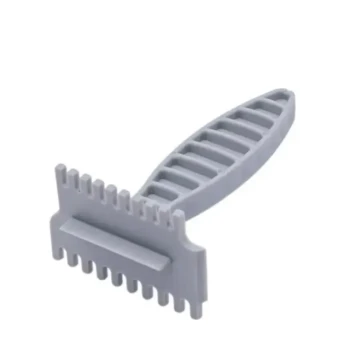
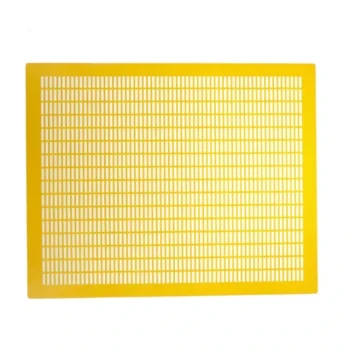
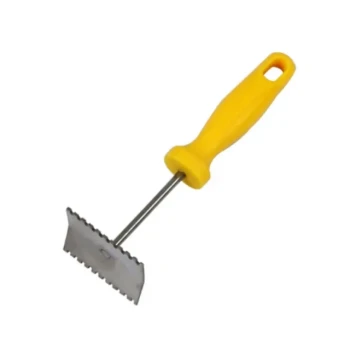
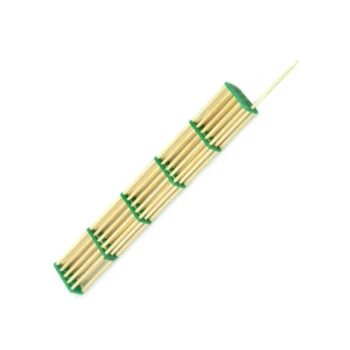
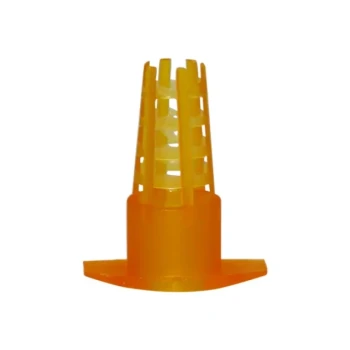
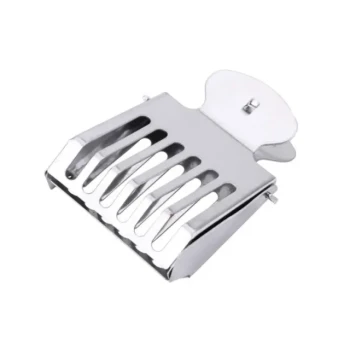
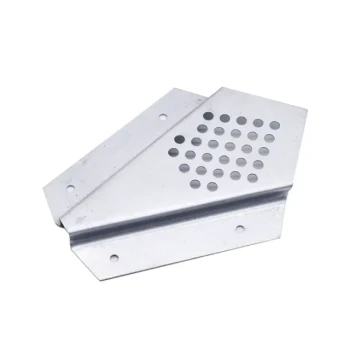
Queen excluders function as a critical quality control checkpoint within the physical infrastructure of a beehive. By utilizing a precise mesh size that exploits the physical size difference between castes, the device allows smaller worker bees to pass freely while physically blocking the larger queen from entering the upper honey supers. This enforced separation ensures that egg-laying is confined strictly to the brood box, guaranteeing that the harvested honeycomb remains free of eggs, larvae, and biological impurities.
The queen excluder transforms the hive from a mixed-use environment into a segmented production facility. By establishing a rigid boundary between the colony's nursery and its food storage, producers ensure the final harvest consists solely of pure, commercial-grade honey.
The Mechanics of Hive Segmentation
Leveraging Size Differentials
The fundamental principle of the queen excluder is the precise calibration of aperture size. The grid is engineered with specific pore dimensions that are large enough for worker bees—who manage nectar collection—to traverse without injury.
However, these apertures are too narrow for the queen bee's larger abdomen to pass through. This acts as a passive filter that requires no chemical or manual intervention to function effectively.
Defining Production Zones
In large-scale operations, standardized equipment is essential for efficiency. The excluder is placed horizontally between the lower brood chamber (the nursery) and the upper supers (the pantry).
This placement creates a structural hierarchy within the hive. It designates the bottom for population growth and the top exclusively for honey storage, preventing the chaotic mixing of biological functions.
Impact on Commercial Product Quality
Eliminating Biological Impurities
The primary reference highlights that the exclusion of the queen is the single most important factor in preventing eggs and larvae from entering the honey supply.
Without this barrier, the queen may migrate upward to lay eggs in the honey supers. Harvesting honey from combs containing brood introduces protein impurities and larvae into the extraction process, compromising the purity of the raw product.
Enhancing Sensory Grade
Honey quality is judged by its clarity, flavor, and shelf stability. By ensuring supers are used only for honey storage, beekeepers harvest "pure" honey that is clear and fully mature.
This separation prevents the sensory defects that can arise from processing combs used for brood rearing, significantly improving the commercial grade of the final product.
Material Integrity and Safety
Resisting Hive Corrosion
For large-scale management, the durability of the excluder itself impacts product quality. High-humidity environments and organic acids within the hive can degrade inferior equipment.
Preventing Contamination
Advanced excluders treated with plasticization or chrome plating offer strong anti-oxidation properties. This prevents metal fatigue and rust.
By resisting corrosion, these materials ensure that rust byproducts do not contaminate the honey, preserving its chemical accuracy—a vital factor if the honey is used as a bio-indicator for environmental monitoring.
Understanding the Trade-offs
Balancing Restriction and Flow
While the goal is to stop the queen, the excluder must not impede the flow of worker bees. Poorly designed excluders can slow down nectar storage if workers struggle to pass through, potentially reducing yield.
Managing Swarm Instincts
The use of excluders must be coordinated with swarm management techniques. While they restrict the queen, they work best when combined with artificial splitting and rhythm management to prevent the colony from feeling overcrowded, which can lead to stress or natural swarming.
Making the Right Choice for Your Goal
To optimize your brood management strategy, align your equipment choice with your specific production targets:
- If your primary focus is maximizing commercial honey grade: distinctively separate your supers using excluders to guarantee a harvest free of larvae, ensuring high sensory clarity and purity.
- If your primary focus is long-term equipment stability and safety: Prioritize excluders with high-standard chrome plating or plasticization to withstand hive acidity and prevent metal contamination.
By strictly defining where life begins and where production is stored, you secure the integrity of the final harvest.
Summary Table:
| Feature | Function in Quality Control | Commercial Impact |
|---|---|---|
| Aperture Calibration | Blocks queen while allowing worker passage | Ensures zero brood/larvae in honey supers |
| Structural Hierarchy | Separates the nursery from the food pantry | Guarantees clear, high-purity commercial honey |
| Material Coating | Plasticized or chrome-plated finishes | Prevents rust and metal contamination |
| Space Management | Defines production vs. population zones | Facilitates efficient, standardized harvesting |
Elevate Your Apiary’s Output with HONESTBEE
At HONESTBEE, we understand that for commercial apiaries and distributors, equipment durability and product purity are paramount. Our comprehensive wholesale range includes high-precision queen excluders, hive-making machinery, and honey-filling equipment designed to streamline your large-scale operations.
Why partner with HONESTBEE?
- Superior Material Integrity: Our tools are built to resist hive corrosion and prevent contamination.
- End-to-End Solutions: From hardware and machinery to honey-themed cultural merchandise, we supply everything you need to scale.
- Tailored for Professionals: We specialize in serving the unique needs of bulk distributors and commercial beekeeping enterprises.
Ready to optimize your honey production and secure a premium-grade harvest? Contact us today to explore our wholesale catalog and discover how we can add value to your business!
References
- Pandey Asmita, Paudel Santosh. ASSESSMENT OF THE EXISTING STATUS OF THE BEEKEEPING SUB-SECTOR IN THE DANG DISTRICT, NEPAL. DOI: 10.18551/rjoas.2023-09.11
This article is also based on technical information from HonestBee Knowledge Base .
Related Products
- High Performance Plastic Queen Excluder for Beekeeping and Apiary Management
- Lightweight Durable Plastic Queen Excluder Scraper for Beekeeping
- Professional Plastic Queen Excluder for Modern Beekeeping
- Metal Queen Bee Excluder for Beekeeping
- Premium Wood Framed Metal Wire Queen Bee Excluder
People Also Ask
- What are the characteristics of a plastic queen excluder? Key Benefits for Cost-Effective Beekeeping
- What are the operational and cost advantages of using plastic queen excluders over metal or wire excluders in commercial hive management? Discover how they reduce labor, prevent wing damage, and lower total costs.
- What types of queen excluders are available for beekeepers? Choose the Right Tool for Your Hive
- Why are standardized hive frames and queen excluders essential for maintaining honey purity and quality? Scale Your Purity
- Do plastic queen excluders work? A Cost-Effective Solution for Modern Apiaries