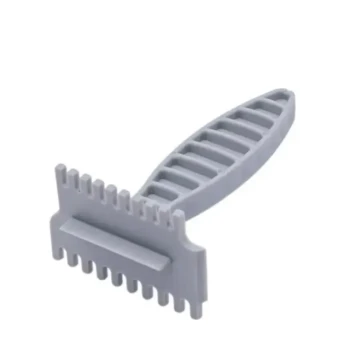
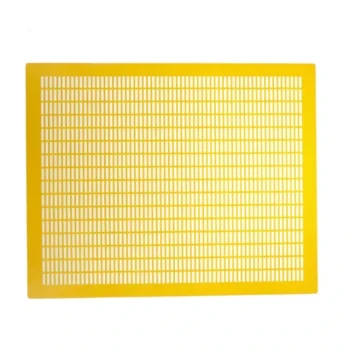
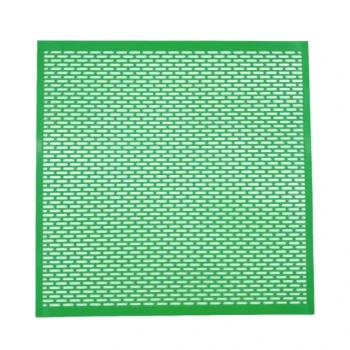
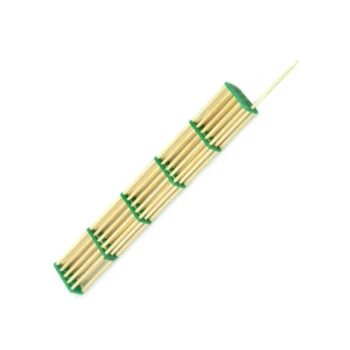
Queen excluders function as a selective biological barrier, leveraging physical size differences to segregate the colony within vertical mini-hives. By confining the larger queen bee to the lower brood chamber, the device prevents her from entering the upper production area while permitting the smaller worker bees to pass through freely to tend to grafted larvae.
Core Insight: The excluder creates a localized "queenless" environment in the upper hive while maintaining a healthy, queen-right colony below. This separation triggers the workers' instinct to rear new queens, compelling them to fill the artificial cells with royal jelly without the risk of the reigning queen destroying them.
Creating Functional Zones
The Queen-Right vs. Queenless Dynamic
In vertical mini-hives, the excluder physically divides the space into two distinct operational zones. The lower section remains a "queen-right breeding area" where the queen lays eggs and maintains the colony population.
The upper section becomes a "queenless production area." Although the queen is present in the hive, her absence in this specific upper chamber is critical for the production process.
Regulating Worker Movement
The design utilizes precise gaps that are too narrow for the queen's abdomen but wide enough for worker bees.
This allows nurse bees to migrate upward to feed the larvae in the artificial cups. Their free movement ensures that the grafted larvae receive constant care and nutrition.
Ensuring Production Purity
Preventing Egg Contamination
The primary operational function of the excluder is to keep the production area free of naturally laid eggs.
If the queen were able to access the artificial cups, she would likely lay eggs inside them. This would contaminate the royal jelly and disrupt the precise age uniformity required for harvesting.
Protecting the Grafted Cells
The excluder serves a vital protective role for the developing larvae.
Without this barrier, a queen regards the artificial queen cells as rival queens. She would instinctively attack and destroy the cells to eliminate competition, resulting in a total loss of the production cycle.
Supporting Research and Standardization
Facilitating Colony Management
By restricting the queen's location, beekeepers can easily access the production frames for manual grafting and jelly collection.
There is no need to hunt for the queen or worry about accidentally injuring her during the harvesting process, as her location is strictly secured in the lower chamber.
Enabling Comparative Analysis
As noted in the primary documentation, this setup is essential for maintaining specific colony structures during experiments.
Researchers use this fixed structure to compare biological variables, such as parasite infestation levels, across different production pressures (e.g., comparing colonies focused on honey versus those focused on royal jelly).
The Necessity of Strict Isolation
The Consequence of Breach
The effectiveness of the vertical mini-hive relies entirely on the integrity of the excluder.
If the physical barrier fails or fits poorly, the queen will enter the production super. The immediate result is the destruction of the grafted cells and the potential contamination of the royal jelly with ordinary brood.
Balancing Flow and Restriction
While the queen must be stopped, the excluder must not inhibit worker traffic.
Restricted worker movement would lead to underfed larvae and low royal jelly yields. The device functions correctly only when it is invisible to the workers but impassable to the queen.
Making the Right Choice for Your Goal
To maximize the utility of queen excluders in your vertical mini-hives, align your usage with your specific objectives:
- If your primary focus is Commercial Yield: Ensure the excluder creates a strict separation to trigger the "emergency" nursing instinct, maximizing the volume of jelly secreted into the cups.
- If your primary focus is Scientific Experimentation: Use the excluder to standardize the colony structure, allowing for accurate comparisons of variable factors like parasite loads between different hive types.
The queen excluder converts a standard colony into a dual-purpose biological factory, simultaneously maintaining population growth below while maximizing resource secretion above.
Summary Table:
| Feature | Lower Chamber (Queen-Right) | Upper Chamber (Queenless Production) |
|---|---|---|
| Primary Role | Population maintenance & egg laying | Royal jelly secretion & larval care |
| Queen Access | Permitted (Confined by excluder) | Strictly Restricted |
| Worker Access | Free movement | Free movement for nurse bees |
| Key Outcome | Sustainable colony growth | High-purity royal jelly & protected cells |
Elevate Your Apiary's Productivity with HONESTBEE
At HONESTBEE, we specialize in empowering commercial apiaries and distributors with the precision tools needed for high-yield royal jelly production. Whether you require vertical mini-hives, high-quality queen excluders, or automated honey-filling and hive-making machinery, our comprehensive wholesale offering has you covered.
Our value to your business:
- Complete Equipment Range: From specialized hardware to essential consumables.
- Commercial Scale: Tailored solutions for large-scale operations and global distributors.
- Industry Expertise: Supporting your growth with tools designed for biological precision.
Ready to optimize your production cycle? Contact us today to explore our full spectrum of beekeeping technology and cultural merchandise!
References
- Pedro da Rosa Santos, Vagner de Alencar Arnaut de Toledo. <b><i>Varroa destructor</i> mite in Africanized honeybee colonies <i>Apis mellifera</i> L. under royal jelly or honey production. DOI: 10.4025/actascianimsci.v37i3.26585
This article is also based on technical information from HonestBee Knowledge Base .
Related Products
- Plastic Queen Bee Excluder for Bee Hive Wholesale
- Lightweight Durable Plastic Queen Excluder Scraper for Beekeeping
- No Grafting Queen Rearing Kit: System for Royal Jelly Production and Queen Rearing
- Professional Dual Action Queen Excluder Scraper for Beekeeping
- Professional Plastic Queen Excluder for Modern Beekeeping
People Also Ask
- Why are standardized hive frames and queen excluders essential for maintaining honey purity and quality? Scale Your Purity
- What types of queen excluders are available for beekeepers? Choose the Right Tool for Your Hive
- How does a queen-bee excluder function as a defense against Small Hive Beetles? Protect Your Honey with Resource Denial
- What are the potential benefits of not using an excluder in a beehive? Boost Colony Strength & Honey Production
- What materials are modern queen excluders made from? Choose the Right Material for Your Apiary