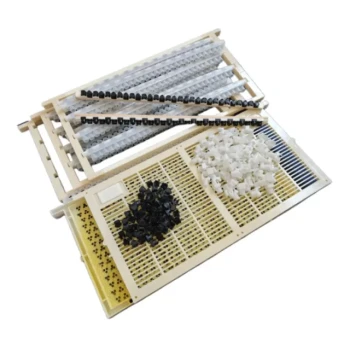
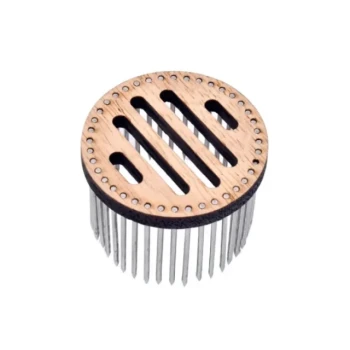
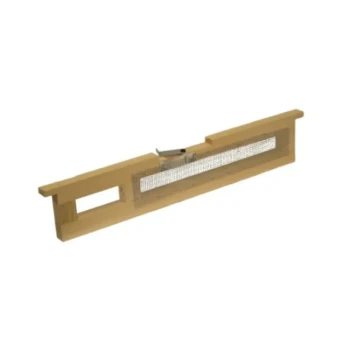
Artificial colony splitting turns reproduction into a precise science. Queen rearing boxes function by guiding worker bees to develop new queens at specific, pre-set locations, while isolation equipment is used to physically segment a strong colony into multiple, viable sub-units. Together, these tools eliminate the uncertainty of natural swarming and enable the strategic, exponential expansion of apiary assets.
By standardizing the division of colonies, this equipment shifts the focus from simple preservation to active scaling. It allows apiarists to manipulate biological triggers to produce new assets without waiting for unpredictable natural cycles.
The Mechanics of Controlled Reproduction
The Function of Isolation Equipment
Isolation equipment acts as the primary mechanism for dividing a colony. Its main purpose is to physically separate a strong, single colony into independent sub-units.
By using specialized transfer tools alongside isolation gear, apiarists can separate brood chambers, honey pots, and pollen pots with high precision. This ensures that each new sub-unit has the necessary resources to survive immediately after the split.
Crucially, this equipment is designed to prevent injury. It allows for the rearrangement of the brood chamber without harming the queen bee or damaging the fragile brood combs.
The Role of Queen Rearing Boxes
While isolation equipment handles the physical separation, queen rearing boxes manage the biological continuity. They are designed to "program" the colony's behavior regarding leadership replacement.
Instead of allowing bees to build queen cells randomly, these boxes guide workers to develop new queens at pre-set locations.
This control ensures that when a colony is split, the new unit has a viable path to creating a new laying queen, which is essential for the colony's long-term survival.
Improving Survival and Recovery
The combined use of these tools significantly impacts colony health. By executing a clean, precise split, you drastically improve the survival rate of newly created colonies.
Furthermore, minimizing physical damage during the separation process shortens the recovery cycle. A colony that is not physically traumatized during the split returns to productivity much faster than one subjected to rough handling.
Understanding the Operational Trade-offs
Managing Colony Disturbance
Even with the best equipment, splitting is a disturbance. While isolation tools minimize injury, the rearrangement of the brood chamber disrupts the colony's established order.
Apiarists must accept a temporary dip in productivity as the colony re-establishes its internal structure and the new queen matures.
The Necessity of Nutritional Support
Mechanical splitting does not guarantee survival if resources are scarce. The process creates smaller, more vulnerable units that may not have enough foragers to sustain themselves immediately.
As noted in supplementary contexts, artificial feeding equipment often becomes necessary alongside splitting tools. During nectar scarcity or cold seasons, you must intervene with syrup or pollen supplements to prevent starvation and colony collapse.
Optimizing Your Splitting Strategy
To maximize the effectiveness of these tools, align your equipment choice with your specific operational goals:
- If your primary focus is Rapid Expansion: Prioritize high-quality queen rearing boxes to ensure a consistent, exponential supply of new queens to lead your split colonies.
- If your primary focus is Colony Survival: Invest heavily in precision isolation and transfer tools to ensure the brood and original queen remain uninjured during the separation process.
Success in artificial reproduction comes from balancing mechanical precision with the biological support the bees need to recover and grow.
Summary Table:
| Tool Type | Primary Function | Impact on Colony | Key Benefit |
|---|---|---|---|
| Queen Rearing Boxes | Guides workers to develop queens at pre-set locations | Ensures biological continuity | Predictable, exponential queen production |
| Isolation Equipment | Physically segments colonies into independent sub-units | Minimizes physical trauma to brood | High survival rate of new units |
| Transfer Tools | Precise movement of brood, honey, and pollen pots | Maintains resource balance | Faster colony recovery and productivity |
| Feeding Equipment | Provides supplemental nutrition during the split | Prevents starvation in small units | Survival during nectar scarcity |
Scale Your Apiary with Professional-Grade Equipment
At HONESTBEE, we empower commercial apiaries and distributors with the specialized machinery and tools needed for high-precision beekeeping. From queen rearing systems and hive-making machinery to honey-filling lines and premium consumables, our comprehensive wholesale portfolio is designed to maximize your operational efficiency and output.
Whether you are expanding your colony assets or looking to supply the industry with top-tier hardware, our expert team is ready to support your growth. Contact us today to explore our wholesale solutions and see how HONESTBEE can streamline your beekeeping business.
References
- Dinku Negash. Demonstration and participatory evaluation of apiculture technologies in Sidama National Regional state, Ethiopia. DOI: 10.33545/26180723.2022.v5.i2a.139
This article is also based on technical information from HonestBee Knowledge Base .
Related Products
- Portable Bee Mating Hive Boxes Mini Mating Nucs 8 Frames for Queen Rearing
- Professional Multi-Functional Queen Bee Cage
- Twin Queen Styrofoam Honey Bee Nucs Mating and Breeding Box
- Durable Galvanized Steel Spring Queen Bee Cage
- Jenter Queen Rearing Kit Complete Set for Bee Breeding
People Also Ask
- How do specialized queen-rearing frames and mating boxes boost off-season bee production? Optimize Your Apiary's Output
- What are the approximate weights of different types of 8-frame beehive boxes? Lift Smarter for Your Apiary
- What role does the structural configuration of beekeeping mating boxes play? Optimize Queen Mating Success
- What is an 8 frame box and why is it popular? A Lighter, More Ergonomic Hive Solution
- What role do portable mating nucs play in geographic isolation breeding? Secure Genetic Purity in Remote Locations