Seasonal worker-bee lifespan directly changes wintering priorities: summer workers typically live only 15–38 days, while winter workers may survive 140 days or more. Because the winter population must endure the entire non-foraging period, beekeepers need reliable insulation, pest protection, secure hive construction, and feeding equipment capable of supporting autumn preparation and winter emergencies.
The key planning principle is simple: summer equipment supports rapid colony growth and turnover, while winter equipment protects a smaller, longer-lived population and preserves its food reserves. Feeding must be timed carefully so it strengthens winter preparation without creating excess brood-rearing pressure or leaving unsuitable equipment in the hive.
Why Worker-Bee Lifespan Changes Winter Preparation
Summer workers create a high-turnover operating environment
Summer workers expend substantial energy on foraging, brood care, comb construction, and internal hive work. Their intensive activity shortens their lifespan, commonly to 15–38 days or roughly six to eight weeks.
For commercial apiaries, this period requires equipment that supports speed and volume, including additional frames, brood boxes, supers, and efficient frame-handling tools.
Winter workers must preserve the colony
Winter workers live much longer because they conserve energy, remain largely inside the hive, and rely on stored honey and body-fat reserves. Their survival allows the colony to maintain its core population until spring forage becomes available.
This makes winter preparation less about expanding hive capacity and more about protecting the existing population and its food supply.
Population turnover affects procurement timing
A hive can move from rapid spring expansion to significant autumn contraction. As the adult population declines, excess hive space becomes more difficult to heat and can increase vulnerability to robbing and cold stress.
Distributors and apiary managers should therefore plan for a seasonal shift from growth-oriented inventory to winterizing accessories, insulation, feeders, and nutritional consumables.
What Wintering Equipment Must Accomplish
Retain heat without eliminating ventilation
Top insulation above the crown board helps retain heat around the brood nest during late autumn and winter. The hive must still be configured to manage moisture and provide adequate ventilation.
The objective is not to seal the hive completely. It is to reduce unnecessary heat loss while preventing damp conditions that can damage the colony.
Restrict pests and defend the entrance
Entrance reducers or guards help limit access by mice and other pests while reducing the size of the defensible entrance. They should be installed as part of the autumn winterizing process, with ventilation needs considered at the same time.
These are relatively small components, but they are operationally important because a reduced colony may not defend a large entrance as effectively as a summer population.
Keep the hive structurally secure
Hive bodies should be checked for watertightness, sound assembly, and exposure to winter weather. A secure hive protects both the bees and the stored feed from rain, wind, and structural movement.
For B2B suppliers, this increases the value of offering compatible winterizing components as a coordinated package rather than as isolated items.
How Seasonal Lifespan Influences Feeding Equipment
Feed before the colony enters the cold period
Autumn feeding is intended to help the colony build adequate reserves before regular foraging stops. Depending on colony condition and local practice, equipment may support syrup feeding, fondant supplementation, or other approved nutritional inputs.
Feeders should be selected for reliable placement, controlled access, and compatibility with the hive format. Internal feeders can be useful when supplementation is required without exposing feed directly at the entrance.
Timing determines the colony’s response
The timing of supplemental feeding influences how the colony allocates energy. Earlier activation, such as in August, can encourage the rearing of more winter bees and increase the adult population.
Later feeding in September or October tends to favor storing honey rather than stimulating additional brood rearing. The correct timing depends on the colony’s actual condition, not simply the calendar.
Feeding equipment is not automatically a permanent winter fixture
Once autumn feeding has ended, feeding components used for syrup or fondant supplementation should generally be removed when appropriate. Leaving unsuitable equipment in place can interfere with hive space, management, or winter conditions.
However, colonies may still require planned emergency access to feed during the non-foraging season. The practical distinction is between equipment used for active autumn feeding and internal feeding solutions retained or available for verified winter shortages.
Match feeder capacity to operating scale
Small-scale beekeepers may prioritize compact internal feeders and easy inspection. Commercial operations may need standardized, durable feeder systems that can be deployed across many colonies and serviced quickly.
For wholesalers and resellers, a full range of feeder formats, replacement parts, and compatible hive accessories reduces order fragmentation during the seasonal preparation window.
Planning the Wider Wintering Package
Consolidate hive volume
As the colony contracts in autumn, beekeepers often reduce unnecessary hive volume. Consolidation helps the remaining population maintain temperature and can reduce opportunities for robbing.
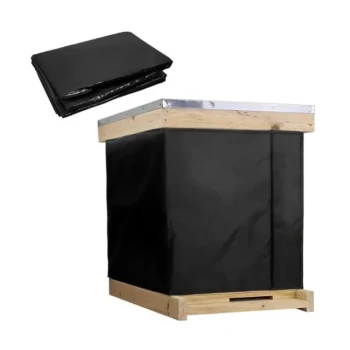
This creates demand for compatible inner covers, entrance reducers, hive wraps, insulation products, and other modular components.
Protect the food reserve
Winter bees depend on stored honey and conserved energy. Equipment must therefore support both reserve protection and controlled supplementation when natural forage is unavailable.
A feeder is only one part of the system; insulation, weatherproofing, pest exclusion, and correct hive configuration determine whether stored resources remain usable.
Prepare for spring before winter ends
The long lifespan of winter workers does not eliminate the need for spring planning. As temperatures and forage improve, the colony begins rebuilding rapidly, creating demand for frames, brood boxes, supers, and other expansion hardware.
A distributor serving commercial apiaries should plan inventory across the full cycle: winter protection first, followed by early-spring feeding and expansion equipment.
Understanding the Trade-offs
Insulation versus ventilation
Insulation helps reduce heat loss, but excessive sealing can contribute to moisture problems. Winterizing products should therefore be selected and installed as part of a balanced configuration rather than treated as interchangeable layers.
Feeding support versus unnecessary stimulation
Early feeding can help increase the population of winter bees, but feeding decisions made without assessing colony condition may stimulate brood rearing when the colony should be consolidating stores.
The equipment should enable precise intervention, not encourage routine feeding regardless of need.
Feeder availability versus equipment left in the hive
Maintaining access to emergency feed can improve resilience during a prolonged non-foraging period. Conversely, leaving active feeding equipment in place after autumn feeding has finished may create management and space complications.
The best approach is a clear operating plan that identifies which feeders are removed, which emergency options are retained, and when each will be inspected.
Product breadth versus operational simplicity
A broad product portfolio benefits distributors and beekeepers only when products are compatible, clearly specified, and quickly available. Too many poorly differentiated options can slow purchasing decisions during a narrow winter-preparation window.
Standardized product information, responsive technical support, and efficient fulfillment are as important as the hardware itself.
Making the Right Choice for Your Goal
Select equipment according to the colony’s seasonal condition, the local winter environment, and the scale of the apiary.
- If your primary focus is winter colony survival: Prioritize dependable insulation, entrance protection, watertight hive components, and correctly timed feeding equipment for reserve-building and verified emergencies.
- If your primary focus is commercial apiary efficiency: Standardize compatible winterizing and feeder systems that can be deployed, inspected, and replaced quickly across many hives.
- If your primary focus is distributor or wholesale supply: Stock a coordinated range of feeders, fondant and winter-feed accessories, insulation, entrance reducers, guards, and replacement components with rapid order fulfillment.
- If your primary focus is spring readiness: Transition procurement early from winter protection to frames, brood boxes, supers, and feeding equipment for renewed colony expansion.
Understanding the lifespan shift from short-lived summer workers to long-lived winter workers allows every wintering decision—from insulation to feeder selection—to support the colony’s actual biological needs.
Summary Table:
| Aspect | Summer Workers | Winter Workers | Winter Preparation Focus |
|---|---|---|---|
| Lifespan | 15–38 days | 140+ days | Longer lifespan requires durable hive setup |
| Activity | High foraging, brood care | Low activity, conserve energy | Reduce disturbance, maintain food reserves |
| Equipment | Frames, supers, tools for expansion | Insulation, entrance reducers, feeders | Preserve heat, protect entrance, provide emergency feed |
| Feeding | Regular feeding to support growth | Timed autumn feeding for stores | Avoid overstimulation, ensure emergency access |
| Population | High turnover | Stable, long-lived | Consolidate hive space, protect from pests |
Prepare your hives for winter with HONESTBEE's comprehensive beekeeping equipment. We supply insulation, entrance reducers, feeders, and full hive kits for commercial apiaries and distributors. Our one-stop sourcing ensures quick delivery, OEM/ODM support, and reliable supply. Contact us today to optimize your wintering strategy and meet the demands of your customers efficiently.
Related Products
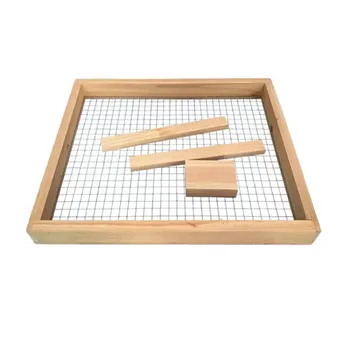
- Heavy-Duty Candy Board with Galvanized Mesh for Beekeeping
- HONESTBEE Entrance Bee Feeder Efficient Hive Front Liquid Feeding Solution for Beekeeping
- Professional In-Hive Bee Feeder HONESTBEE Frame for Beekeeping
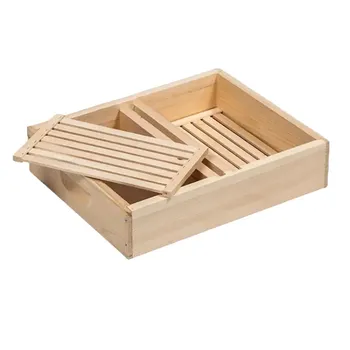
- Premium Wood Hive Top Feeder with Floating Rafts for Langstroth Hives
- Professional Hive Front Entrance Bee Feeder
People Also Ask
- Why is feeding bees considered a last resort by beekeepers? To Protect Honey Purity and Colony Health
- How much sugar does a bee consume daily? Fueling the Hive's Incredible Energy Needs
- Which physical properties of powdered sugar are used in the sugar shake method? Master Varroa Mite Assessment
- What is the mechanism by which Powdered Sugar assists in removing varroa mites? Natural Varroa Control Explained
- What is the recommended sugar-to-water ratio for spring feeding? Use a 1:1 Ratio to Stimulate Hive Growth