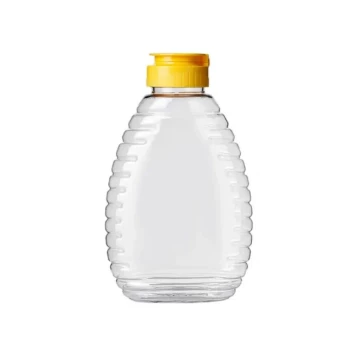
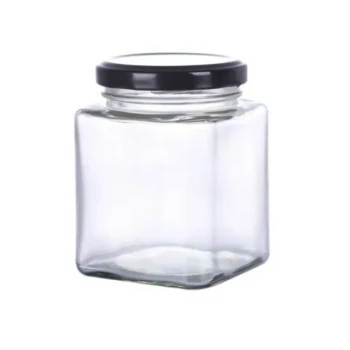
The integration of plastic bases within specialized cartons creates a dual-layer defense system specifically engineered for the rigors of sea freight. This packaging configuration acts as a mechanical buffer to absorb kinetic energy and an environmental shield to isolate the product from moisture, UV light, and chemical contaminants.
Specialized honey packaging is a strategic logistics asset that mitigates the risk of physical breakage while simultaneously preserving the biochemical indicators and sensory quality required for high-end international markets.
Structural Resilience in High-Stress Logistics
The Role of Plastic Bases as Shock Absorbers
During maritime transport, cargo is subjected to constant vibration and sudden mechanical shocks from vessel movement and port handling. Plastic bases serve as a critical dampening layer, absorbing these forces before they reach fragile glass honey bottles, significantly reducing the rate of breakage.
Enhancing Stackability and Load Integrity
Standardized packaging allows for more stable palletization, which is essential for maximizing container space and ensuring load safety. The structural rigidity provided by the differentiated structural design of these cartons prevents the bottom layers from collapsing under the weight of a full shipping container.
Reducing Product Loss Through Impact Resistance
Minimizing breakage is not just about saving the product; it is about preventing "sympathetic damage" where one broken bottle leaks and ruins an entire shipment. Durable food-grade materials ensure that the honey remains contained, protecting the rest of the inventory and maintaining the commercial value of the cargo.
Preserving Biological and Sensory Integrity
Shielding from Ultraviolet Light and Oxidation
Exposure to direct sunlight during the "last mile" or during transshipment can degrade the enzymes and color of premium honey. The outer carton acts as a light-shielding barrier, ensuring that the honey maintains its original visual appeal and nutritional profile upon arrival.
Mitigating Moisture Absorption and Fermentation
Honey is naturally hygroscopic, meaning it absorbs moisture from the air, which can lead to fermentation and spoilage in humid maritime environments. Superior sealing properties within specialized containers prevent moisture and external odors from penetrating the product, preserving its shelf life.
Preventing Chemical and Cross-Contamination
In the hold of a cargo ship, products are often stored near diverse industrial goods that may emit vapors. The combination of a plastic base and a sealed carton creates a chemical barrier, ensuring the honey remains pure and free from environmental odors or contaminants.
The Business Value of Specialized Packaging
Transforming Commodities into High-Value Assets
Distributors can use specialized packaging to move honey from being a primary agricultural product to a high-value commodity. This shift is facilitated by packaging that communicates quality standards through distinct visual identification and professional presentation.
Enhancing Brand Image for Export Markets
For wholesalers targeting high-end retail, the packaging serves as the first point of contact for quality assurance. Standardized packaging meets the rigorous requirements of international export markets, signaling to retailers that the product has been handled with professional care.
Achieving Economies of Scale
Utilizing lightweight yet impact-resistant materials helps in reducing logistics costs without sacrificing safety. Efficient packaging design allows for faster order fulfillment and more reliable delivery timelines, which are essential for maintaining distributor-retailer trust.
Understanding the Trade-offs
Cost vs. Protection
While specialized cartons with plastic bases offer superior protection, they represent a higher initial investment per unit compared to bulk plastic drums. Distributors must calculate the "true cost" by weighing the packaging expense against the potential loss of high-margin glass bottled products.
Environmental Considerations
The use of plastic bases provides necessary durability but can present challenges in markets with strict plastic-reduction regulations. Businesses must balance the technical necessity of plastic for breakage prevention with the growing demand for sustainable or recyclable secondary packaging.
Weight and Volume Efficiency
Although these cartons are designed to be space-efficient, the inclusion of protective buffers can slightly increase the total volume per pallet. However, this is usually offset by the drastic reduction in transit damage, which is often the most expensive variable in international trade.
Making the Right Choice for Your Goal
How to Apply This to Your Project
Selecting the right packaging involves balancing the fragility of your product with the complexity of your supply chain.
- If your primary focus is reducing breakage rates in glass inventory: Prioritize cartons with integrated plastic base buffers to maximize mechanical shock absorption.
- If your primary focus is entering high-end retail markets: Invest in packaging that offers superior light-shielding and brand-oriented visual designs to justify premium pricing.
- If your primary focus is logistics cost efficiency: Opt for standardized, stackable dimensions that allow for ultra-fast delivery and maximum container utilization.
By choosing specialized packaging, you transition from simple shipping to strategic quality management, ensuring your product arrives in peak condition regardless of the distance traveled.
Summary Table:
| Feature | Protection Mechanism | Business Benefit |
|---|---|---|
| Plastic Bases | Absorbs kinetic energy & vibration | Dramatically reduces breakage rates |
| Outer Cartons | Blocks UV light & external odors | Preserves color, enzymes, and purity |
| Sealing Design | Moisture-proof barrier | Prevents fermentation and spoilage |
| Stackable Structure | Enhances load integrity | Optimizes container space & safety |
Partner with HONESTBEE for Premium Beekeeping Solutions
Are you a distributor or B2B reseller looking to scale your business with a reliable supply chain? HONESTBEE is your premier one-stop sourcing partner, offering a comprehensive portfolio of beekeeping tools, specialized machinery (including honey-filling and hive-making equipment), and essential consumables.
We understand the unique demands of global trade, providing our partners with:
- Deep Professional Expertise: High-quality products designed for durability and international standards.
- Rapid Fulfillment: Ultra-fast delivery and efficient order processing to keep your inventory moving.
- Premium Service: Dedicated support with OEM/ODM capabilities to maximize your profit margins.
Upgrade your inventory and boost your efficiency — contact our export experts today!
References
- Liliana Marcela Bastos Osorio, E Guerrero. INTERNACIONALIZACIÓN DE LA EMPRESA DE ALIMENTOS OICATA DEL PRODUCTO MIEL HACIA ESTADOS UNIDOS. DOI: 10.47847/faccea.v14n1a4
This article is also based on technical information from HonestBee Knowledge Base .
Related Products
- Squeezable No-Drip Beehive-Shaped Honey Jars with Flip-Top Cap
- Food Grade Plastic Honey Bucket Pail for Beekeeping
- Classic Beehive Honey Bottle Jar with Squeeze Dispenser Lid
- Professional Plastic Honey Dipper for Easy Honey Drizzling
- Modern Square Glass Honey Jar with Twist Off Lid
People Also Ask
- What food safety standards must honey containers meet? Expert Guide to Packaging Integrity & Hygiene
- Why is it important to distinguish between weight and volume when selecting honey containers? Maximize Profits Now
- What are the benefits of purchasing honey containers in bulk? Maximize Margins & Secure Your Supply Chain
- What types of containers are ideal for storing liquid honey? Preserve Quality with Glass or Plastic
- How many jars of honey can you get from a hive? Maximize Your Yield with Strong Hive Management