Specialized collection tools represent a strategic shift in beekeeping, allowing operations to capture high-value bioactive substances—specifically bee venom, propolis, and pollen—that are otherwise lost or ignored in traditional honey-centric apiaries. By deploying equipment like venom extractors, propolis mats, and physical interception traps for pollen, beekeepers can access lucrative pharmaceutical and cosmetic markets, significantly increasing the economic output per colony without necessarily relying on nectar flow.
Core Takeaway Diversification through specialized tools does more than just add new products; it creates a financial buffer against climate-related honey yield fluctuations and commodity price volatility. By harvesting high-purity raw materials for health and beauty sectors, beekeepers transform their operations from simple agricultural production to high-value bio-resource management.
Unlocking High-Value Bioactive Resources
To understand the economic impact, one must first understand how these tools leverage specific biological behaviors to harvest resources efficiently.
Precision Harvesting of Propolis
Propolis, a resinous mixture used by bees for hive defense, commands a high price in the health food and medical sectors. Propolis collection mats work by simulating natural gaps and crevices within the hive.
Bees possess an instinct to seal these gaps to protect the colony. By placing these specialized mats (often with specific gap sizes) in the hive, beekeepers induce the bees to fill them with pure resin. Unlike scraping frames, which results in debris-filled product, these mats ensure high purity, reducing contaminants like wood chips or dead bees, which is a requirement for high-end processing.
Physical Interception of Bee Pollen
Pollen is the primary protein source for the hive and a popular nutritional supplement for humans. Specialized pollen traps are designed to fit over the hive entrance.
These devices utilize a physical interception mechanism. As foraging bees return to the hive, they must pass through a mesh or grid that gently dislodges the pollen pellets from their legs. This allows for the low-cost acquisition of a product that requires minimal processing, directly expanding revenue with existing livestock.
Extraction of Bee Venom
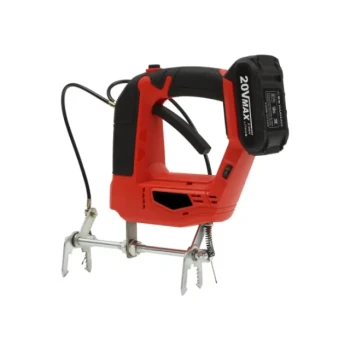
Bee venom is a potent bioactive substance increasingly used in the pharmaceutical industry. Venom extractors typically use mild electrical impulses to stimulate bees to release venom onto a collection plate.
Because the bees sting a glass or silicone surface that they cannot penetrate, they do not lose their stingers and survive the process. This method harvests a low-volume but extremely high-value raw material used in therapies for arthritis and cosmetic anti-aging products.
Strategic Economic Advantages
The primary value of these tools lies in how they alter the business model of an apiary.
Mitigating Honey Market Volatility
Honey production is heavily dependent on weather patterns and floral availability. A bad season for nectar can devastate a honey-exclusive operation. By contrast, the production of propolis and venom is less dependent on immediate nectar flows.
Accessing Higher-Tier Markets
Traditional honey often competes in a saturated commodity market. However, high-purity propolis and bee venom serve the pharmaceutical and cosmetic industries. These sectors demand rigorous quality standards but offer significantly higher margins than the food sector.
Maximizing Resource Efficiency
These tools serve as a core process supplement. They allow for the comprehensive utilization of the colony's labor. Instead of the colony's energy resulting only in honey and wax, the apiary captures a wider spectrum of the hive's biological output, increasing the total economic benefit per hive.
Understanding the Trade-offs
While the benefits are clear, a technical advisor must highlight the operational balance required to use these tools effectively.
Colony Stress and Resource Depletion
Harvesting secondary products is not entirely "free" for the colony.
- Pollen: Excessive trapping deprives the hive of protein needed for brood rearing.
- Propolis: Over-harvesting forces bees to divert energy from foraging to resin collection.
- Venom: The extraction process can temporarily agitate the colony.
Purity vs. Quantity
The market value of these products is directly tied to purity. Using "specialized consumables" (high-quality mats and traps) is essential. Cheaper, improvised tools often lead to contamination, rendering the harvest worthless to pharmaceutical buyers.
Making the Right Choice for Your Goal
To successfully integrate these streams, align your tool selection with your operational capacity.
- If your primary focus is Revenue Stability: Implement pollen traps and propolis mats seasonally to create a financial buffer that offsets poor honey yields caused by climate factors.
- If your primary focus is Profit Maximization: Invest in high-end venom extractors and purity-focused propolis mats to target the lucrative pharmaceutical and cosmetic raw material supply chains.
The most resilient beekeeping operations view the hive not just as a honey factory, but as a source of diverse, high-value biological assets.
Summary Table:
| Product Type | Collection Tool | Primary Market | Key Economic Benefit |
|---|---|---|---|
| Bee Venom | Electric Extractors | Pharmaceutical & Cosmetic | Extremely high-value per gram; non-lethal harvest. |
| Propolis | Collection Mats | Health Supplements | High-purity yields; less dependent on nectar flow. |
| Bee Pollen | Hive Entrance Traps | Nutritional Superfoods | Low-cost acquisition; consistent demand as supplement. |
| Honey | Traditional Frames | Food & Beverage | Core commodity; subject to high market volatility. |
Scale Your Apiary Business with HONESTBEE
Transition from a traditional honey farm to a high-value bio-resource enterprise. At HONESTBEE, we specialize in empowering commercial apiaries and distributors with the precision machinery and professional-grade consumables needed to dominate the pharmaceutical and cosmetic raw material markets.
Our value to your operation includes:
- Comprehensive Wholesale Range: From specialized venom extractors and high-purity propolis mats to advanced honey-filling and hive-making machinery.
- Proven Industry Expertise: We supply the full spectrum of beekeeping tools and industry consumables tailored for large-scale efficiency.
- Diverse Portfolio: Beyond hardware, we offer honey-themed cultural merchandise to further expand your brand presence.
Ready to maximize the economic output of every colony? Contact HONESTBEE today to discuss our wholesale solutions and elevate your beekeeping business.
References
- Veland Ramadani, Laxman Panthi. Beekeeping as a family artisan entrepreneurship business. DOI: 10.1108/ijebr-07-2017-0245
This article is also based on technical information from HonestBee Knowledge Base .
Related Products
- Full Set Beekeeping Electronic Bee Venom Collector Machine Device for Bee Venom Collecting
- HONESTBEE 3-Frame Manual Acrylic Honey Extractor
- 30 cm Plastic Entrance Hole Bee Pollen Trap and Collector
- Professional Stainless Steel Pry-Bar Hive Tool
- Plastic Hand Crank 2 Frame Honey Extractor Low Price
People Also Ask
- How does the glass plate integrated into a bee venom collector contribute to maintaining quality and purity?
- What is the function of specialized collection equipment in the production process of bee venom? Expert Guide
- What is the significance of using specialized bee venom collection devices in commercial beekeeping operations?
- Why are bee venom collection devices typically mounted on specialized wooden carrier boards? Maximize Yield & Purity.
- How does a dedicated bee venom collection device operate? Extract Pure Venom Safely Without Harming Your Bees