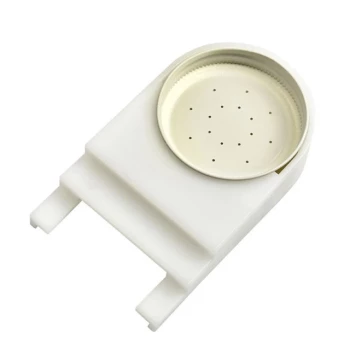
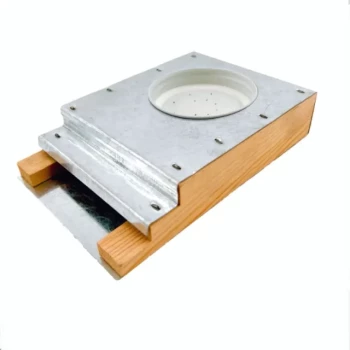
Specialized hive feeders act as precision instruments rather than simple containers, fundamentally changing how supplements are delivered to a colony. By isolating syrup within specific internal zones, they ensure quantitative intake—such as a steady 1.0 liter over six days—while eliminating the external variables that plague open feeding methods.
Core Takeaway: Specialized feeders bridge the gap between supplement preparation and actual metabolic intake. They guarantee that the colony consumes the exact intended dosage of active ingredients in a thermally stable environment, preventing the losses associated with robbing, spoilage, or inconsistent foraging.
Control Over Dosage and Timing
Regulating Consumption Rates
Precision feeding requires a predictable intake of nutrients. Specialized feeders are physically designed to ensure the supplement is consumed steadily over a set period, rather than binged or ignored.
For example, a specific design may calibrate consumption to exactly 1.0 liter every six days. This steady flow allows beekeepers to align feeding schedules with the colony’s brood-rearing cycles.
Ensuring Accurate Dosage Transmission
When administering specific nutritional components—such as silver or copper nano-particles—dosage accuracy is paramount.
In-hive feeders place these components directly within the colony's reach. This guarantees the accurate transmission of the intended nutritional dosage to the bees, preventing the loss of active ingredients that can occur with less direct methods.
Preserving the Hive Environment
Maintaining Thermal Balance
Honeybees require a specific temperature and humidity range for successful brood rearing.
Specialized feeders allow the syrup to be placed inside the hive's controlled temperature environment. This ensures the feed remains at an optimal temperature for consumption, reducing the energy stress on the bees during colder periods.
Minimizing Hive Disturbance
Every time a hive is opened, the internal microclimate is disrupted.
Because these feeders are designed for steady, high-capacity delivery, they significantly reduce the frequency of opening the hive. This stability helps maintain the constant temperature and humidity required for colony growth and winter survival.
Security and Efficiency
Preventing Robbing
One of the greatest threats to feeding precision is "robbing," where bees from other colonies steal the syrup.
Specialized feeders isolate the feed within the hive, making it accessible only to the resident colony. This elimination of robbing risk ensures that your resources are supporting the target colony, not the neighbors.
Reducing Spoilage and Waste
Syrup left exposed or consumed too slowly can spoil, rendering it useless or harmful.
By facilitating continuous and uniform consumption, these feeders prevent the feed from stagnating. This efficiency prevents issues like feed spoilage, ensuring every ounce of the supplement contributes to colony health.
Understanding the Operational Trade-offs
Equipment Dependency
Achieving this level of precision requires investment in specialized hardware. Unlike open feeding, you cannot simply repurpose general containers; you must use feeders designed for specific flow rates and hive configurations.
Monitoring Requirements
While these feeders reduce the need to open the hive for refilling, they can obscure a quick visual check of food levels.
Beekeepers must rely on other methods, such as the lift test (gauging weight by lifting the back handle), to assess whether the colony has sufficient stores without opening the hive and breaking the thermal seal.
Making the Right Choice for Your Goal
To maximize the impact of your stimulative feeding, align your equipment choice with your specific objective:
- If your primary focus is Medical or Nutritional Dosing: Choose an in-hive feeder that guarantees uniform consumption to ensure the colony receives the exact concentration of active ingredients without loss.
- If your primary focus is Winter Prep or Brood Rearing: Prioritize feeders that minimize hive openings to maintain the internal thermal balance and reduce energy consumption.
Precision in beekeeping is not just about what you feed, but effectively controlling how the colony accesses it.
Summary Table:
| Feature | Benefit for Precision Feeding | Impact on Colony health |
|---|---|---|
| Regulated Flow | Ensures steady 1.0L/6-day intake | Prevents binging and aligns with brood cycles |
| Internal Placement | Maintains thermal balance | Reduces energy stress during cold periods |
| Isolated Design | Eliminates robbing risk | Guarantees supplements reach the target colony |
| High Capacity | Reduces frequency of hive openings | Preserves internal humidity and microclimate |
| Direct Access | Accurate dosage of active ingredients | Prevents loss or spoilage of expensive supplements |
Maximize Your Apiary Productivity with HONESTBEE
Precision beekeeping starts with the right equipment. HONESTBEE provides commercial apiaries and distributors with high-performance, specialized hive feeders designed to optimize stimulative feeding and nutritional dosing.
Our comprehensive wholesale range includes everything from advanced hive-making and honey-filling machinery to essential industry consumables and beekeeping tools. Whether you are looking to improve colony winter survival or streamline your honey production, we deliver the professional-grade hardware you need to succeed.
Ready to scale your beekeeping operation? Contact us today to discuss our wholesale solutions and discover how we can add value to your business.
References
- Nicolae Eremia, Fliur Macaev. FEEDING BEES IN THE SPRING PERIOD. DOI: 10.55505/sa.2023.2.14
This article is also based on technical information from HonestBee Knowledge Base .
Related Products
- Professional Hive Top Bee Feeder for Beekeeping
- HONESTBEE Professional Hive Top Bee Feeder Feeding Solution
- HONESTBEE Entrance Bee Feeder Professional Hive Nutrition Solution for Beekeeping
- Professional In-Hive Frame Bee Feeder by HONESTBEE
- Professional Hive Front Entrance Bee Feeder
People Also Ask
- Do I need an inner cover with a hive top feeder? Optimize Your Hive Setup for Healthy Bees
- What is a hive top feeder? A Guide to Efficient, Low-Stress Beekeeping
- What is a hive top feeder, and how does it work? A Complete Guide to Efficient In-Hive Feeding
- What are the characteristics, advantages, and disadvantages of hive top feeders? Optimize Your High-Volume Feeding
- How does a hive top feeder work? Optimize Your Apiary's Nutrition and Security