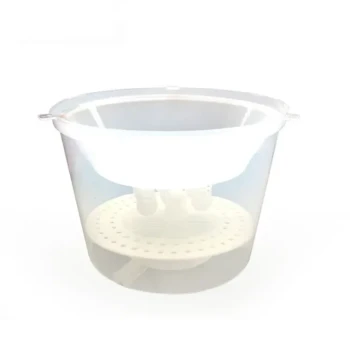
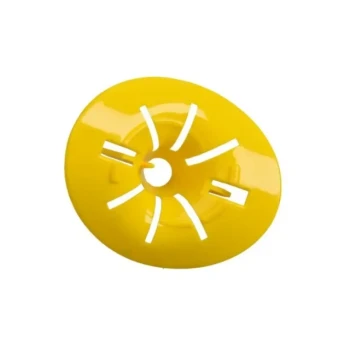
Specialized Pollen Traps facilitate high-quality collection through precision mechanical interference. Installed at the entrance of a beehive, these devices utilize specifically designed grids to intercept returning worker bees. As the bees navigate the apertures, the physical friction gently strips pollen pellets from their legs, depositing the material into a protected container for hygienic harvesting.
Specialized pollen traps bridge the gap between biological foraging and commercial production. By mechanically filtering impurities and automating the collection process, they enable beekeepers to harvest a high-purity nutritional product while maintaining the operational safety of the colony.
The Mechanics of Pollen Interception
Precision Grid Architecture
The core component of a pollen trap is a specific aperture structure or grid installed at the hive entrance.
These grids are engineered with exact dimensions that allow the bee to pass through but offer resistance to the pollen loads on their hind legs.
Friction-Based Stripping
As foraging bees scramble through the grid to enter the hive, the trap utilizes simple mechanical action.
The physical friction against the grid edges scrapes or strips the pollen pellets off the bees' legs. This process effectively separates the resource from the insect without causing harm to the bee itself.
Automated Collection and Storage
Once stripped, the pollen pellets fall immediately into a designated storage box or tray located beneath the grid.
This system automates the gathering process, eliminating the need for manual extraction from the comb. It ensures that the pollen is captured the moment it arrives at the hive.
Achieving Commercial Purity and Hygiene
Reducing Environmental Contamination
High-quality pollen requires protection from external elements.
Specialized traps, particularly "Wall Trap" designs, alter the bees' entry path and elevate the collection port. This structural change prevents ground dust, soil, and moisture from compromising the harvest.
Minimizing Hive Debris
Hygiene is critical for pollen intended for human consumption or high-value supplements.
By isolating the collection area, these traps prevent contamination from hive-related debris, such as bee excrement or wax particles. This results in a raw product with a lower initial microbial load and higher sanitary standards.
Enabling Source Analysis
Beyond simple collection, these devices allow for the segregation of pollen based on specific timeframes.
This capability allows beekeepers and researchers to monitor foraging activities across different flowering periods. It ensures the collection of pollen from specific botanical sources, which is essential for verifying nutritional intake and product consistency.
Understanding the Trade-offs
Impact on Colony Nutrition
Pollen traps typically intercept approximately 50% of the pollen loads brought in by the workforce.
While this allows for significant harvest, beekeepers must monitor the colony to ensure the bees retain enough protein for their own survival. Over-harvesting can impact the long-term health of the hive.
Maintenance and Wear
These traps are considered consumable components of the hive assembly.
Because they rely on physical friction and constant traffic, the grids can wear down or become clogged. Regular maintenance is required to ensure the apertures remain effective and do not damage the bees' wings or bodies during entry.
Making the Right Choice for Your Goal
Implementing pollen traps requires balancing production goals with colony management.
- If your primary focus is Commercial Production: Prioritize "Wall Trap" designs that elevate the collection point to minimize cleaning labor and maximize sanitary standards.
- If your primary focus is Research or Monitoring: Use high-efficiency traps for short durations to accurately analyze landscape plant diversity and colony nutritional intake.
- If your primary focus is Colony Sustainability: Cycle the usage of traps to ensure the hive retains at least half of its incoming protein specifically during critical brood-rearing periods.
By selecting the right hardware configuration, you turn a passive hive byproduct into a diversified, high-value revenue stream.
Summary Table:
| Feature | Function | Benefit |
|---|---|---|
| Precision Grids | Mechanical friction strips pollen pellets | Automated, harmless collection |
| Wall Trap Design | Elevates collection port above ground | Reduces dust and moisture contamination |
| Isolated Trays | Separates pollen from hive interior | Minimizes debris and microbial load |
| Selective Trapping | Intercepts ~50% of incoming pollen | Balances commercial yield with colony health |
Elevate Your Apiary's Production with HONESTBEE
Transform your honey harvest into a diversified revenue stream with our professional-grade pollen collection systems. HONESTBEE specializes in serving commercial apiaries and distributors with high-efficiency hardware designed for maximum purity and minimal labor.
Our extensive wholesale catalog includes:
- Advanced Pollen Traps & Hive Components: Engineered for hygiene and durability.
- Industrial Machinery: From hive-making to precision honey-filling machines.
- Beekeeping Consumables: A full spectrum of tools and essential supplies.
Ready to scale your operations? Contact our expert team today to access premium beekeeping equipment and tailored solutions that drive industry growth.
References
- Figen Çukur, Tayfun Çukur. A STUDY ON THE PRODUCTION AND MARKETING OF BEE PRODUCTS PROVIDING BIODIVERSITY: CASE STUDY FROM TURKEY. DOI: 10.15666/aeer/1702_47074724
This article is also based on technical information from HonestBee Knowledge Base .
Related Products
- Removable Plastic Pollen Trap With Ventilated Tray for Bees Pollen Collector
- 30 cm Plastic Entrance Hole Bee Pollen Trap and Collector
- Plastic Bee Pollen Trap Strips Comb Catcher Collector
- High-Efficiency Diamond Maze Bee Escape for Clearing Supers
- Professional Bucket Style Wasp and Moth Pheromone Trap
People Also Ask
- What are the design principles and advantages of pollen traps in the collection of bee pollen? Boost Your Apiary Yield
- What is the function of professional pollen traps in evaluating honey plants? Quantifying Pollination and Crop Potential
- What functions do pollen traps serve for bee bread production? Optimize Your Raw Material Collection
- What maintenance and pest prevention measures should be taken for pollen traps? Protect Your Hive and Harvest Quality
- How does the use of pollen traps in honeybee hives enhance crop fertilization? Boost Your Yield Through Induced Activity