The precision of specialized saponification and molding machines is the critical factor in preserving the bioactive integrity of bee-pollen soaps. These machines ensure quality by maintaining exact temperature and pressure thresholds to prevent the deactivation of sensitive enzymes while applying uniform mechanical force to eliminate air bubbles and create a dense, premium texture.
Specialized equipment bridges the gap between raw natural ingredients and shelf-stable, high-performance skincare. By protecting heat-sensitive nutrients and ensuring structural density, this technology allows distributors to offer products that maintain their nutritional value and aesthetic appeal throughout the global supply chain.
Protecting Bioactive Compounds through Thermal Control
Preventing Enzyme Deactivation
Bee pollen is rich in sensitive enzymes that are easily destroyed by the high temperatures often found in standard soap manufacturing. Specialized saponification equipment uses precise thermal sensors to keep the reaction within a specific range, ensuring these biological catalysts remain active and beneficial for the end-user.
Maintaining Vitamin and Nutrient Stability
Vitamins found in bee products, particularly those in the B-complex group, are highly susceptible to heat-induced degradation. By regulating pressure and temperature during the blending of beeswax and botanical oils, these machines prevent the "cooking" of the pollen, which preserves the soap's nutritional profile.
Ensuring Chemical Purity from the Source
The quality of the final soap is dictated by the purity of the raw materials, which begins with specialized beehive manufacturing. Using chemically untreated materials for hives ensures that no toxic adhesives or paints migrate into the beeswax or pollen before they ever reach the saponification stage.
Engineering Physical Consistency and Texture
Eliminating Internal Air Bubbles
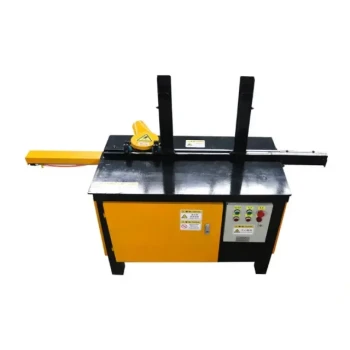
Standard mixing often traps air within the soap base, leading to a porous product that dissolves too quickly and feels "cheap" to the touch. Specialized molding machines apply uniform mechanical pressure to the soap mass, forcing out air and creating a perfectly homogenous solid.
Achieving a Dense and Fine Texture
A dense structure is the hallmark of a premium, long-lasting soap bar that appeals to high-end consumers. This equipment ensures that the bee pollen and botanical oils are distributed evenly, resulting in a fine-grained texture that provides a superior sensory experience during use.
Moisture Control for Shelf Stability
Before the molding process, the pollen itself must be treated with industrial drying machines to reduce moisture to safe levels. This inhibits microbial growth and ensures that when the pollen is suspended in the soap, it does not cause the product to spoil or lose its structural integrity over time.
Understanding the Trade-offs
Equipment Complexity vs. Production Speed
While specialized machines produce a significantly higher quality product, they often require more rigorous calibration and slower processing times than mass-market equipment. For distributors, this means a higher price point per unit, which must be justified by the superior bioactive claims of the product.
Precision Requirements and Maintenance
The sophisticated sensors and pressure systems in these machines require dedicated professional expertise to maintain and operate. If a manufacturer lacks this technical depth, the risk of "hot spots" during saponification increases, which can ruin an entire batch of expensive bee-product ingredients.
Making the Right Choice for Your Goal
How to Apply This to Your Portfolio
- If your primary focus is Premium Market Positioning: Partner with manufacturers using specialized molding machines to ensure the dense, high-end "feel" that luxury consumers demand.
- If your primary focus is Clinical or Bioactive Efficacy: Prioritize suppliers who can document their thermal control protocols, as this is the only way to guarantee the enzymes in the bee pollen remain active.
- If your primary focus is Supply Chain Reliability: Look for one-stop sourcing partners who manage everything from pollen traps to the final molding, as this integrated control minimizes the risk of raw material contamination.
By leveraging specialized manufacturing technology, distributors can confidently provide products that translate the complex benefits of the beehive into a stable, high-value consumer format.
Summary Table:
| Key Feature | Functional Benefit | Impact on Product Quality |
|---|---|---|
| Precise Thermal Sensors | Prevents enzyme & vitamin deactivation | Guarantees bioactive efficacy for skincare |
| Uniform Mechanical Pressure | Eliminates internal air bubbles | Creates a dense, premium, and long-lasting texture |
| Industrial Drying | Reduces moisture to safe levels | Ensures shelf stability and inhibits microbial growth |
| Integrated Material Control | Uses chemically untreated raw materials | Prevents toxic migration and ensures chemical purity |
Elevate Your Bee-Product Portfolio with HONESTBEE
Are you looking to capture the premium skincare market? HONESTBEE empowers distributors, wholesalers, and B2B resellers with one-stop sourcing for the entire apiculture value chain. From specialized beehive-making machines that ensure raw material purity to honey-filling and soap-molding equipment, we provide the tools you need to maintain high profit margins and superior product integrity.
Why Partner with HONESTBEE?
- Comprehensive Full-Spectrum Portfolio: Access everything from industrial machinery to essential industry consumables.
- Deep Industry Expertise: Benefit from our technical knowledge in preserving bioactive ingredients.
- Rapid Fulfillment: Ultra-fast delivery and efficient order processing to keep your supply chain moving.
- Exceptional Service: Dedicated support for OEM/ODM requests and professional certifications.
Ready to scale your business with a reliable industry leader? Contact us today to explore our wholesale offerings!
References
- Chethan BL, R Ramya. Evaluation of health benefits from different value-added products of honey prepared at Bee Research Centre, Targod, Sirsi taluk of Uttara Kannada. DOI: 10.33545/26180723.2025.v8.i11sb.2701
This article is also based on technical information from HonestBee Knowledge Base .
Related Products
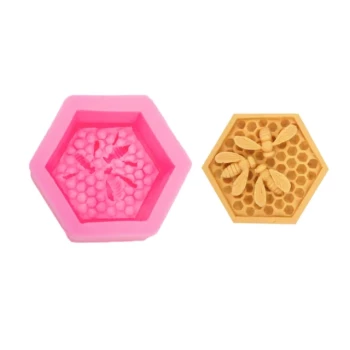
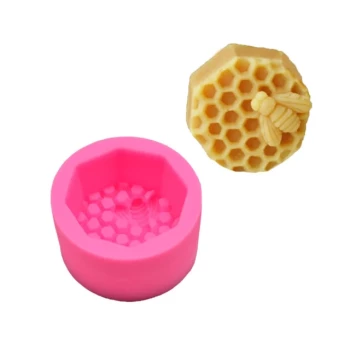
- Honeycomb and Bee Silicone Soap Mold for DIY Handmade Soaps
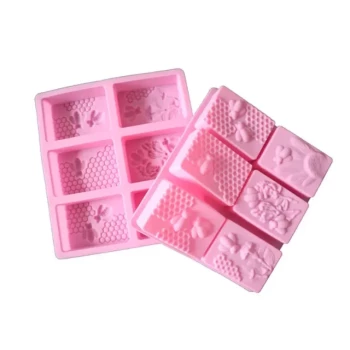
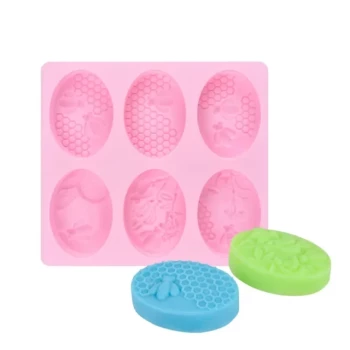
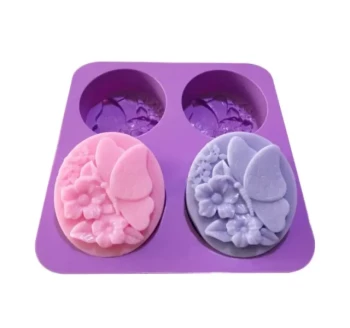
- 6-Cavity Bee Floral Themed Silicone Soap Mold for Handmade Soap Making
- Premium 6-Cavity Bee and Floral Themed Silicone Soap Mold
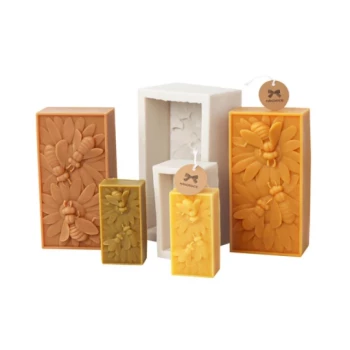
- Bee Floral Relief Silicone Mold for Artisan Soap Candle Making
- Hexagonal Bee Honeycomb Silicone Soap Mold by HONESTBEE
People Also Ask
- What are the advantages of silicone molds for queen cell cups? Upgrade Your Queen Rearing Precision
- What is the first tip for pouring beeswax into a silicone mold? Ensure a Perfect Release
- What is the third tip for working with beeswax in a silicone mold? Master the Critical Demolding Stage
- What is the procedure for pouring melted beeswax into a silicone sheet mold? Expert Tips for Perfect Foundations
- How do you keep beeswax from sticking to a mold? Master the Water Mist Method for a Perfect Release