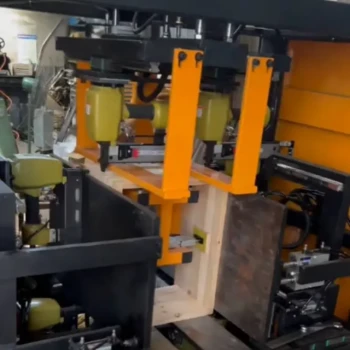
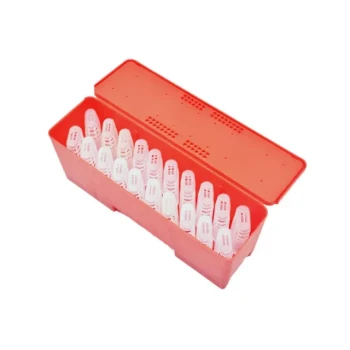
Standardized hive boxes act as the foundational infrastructure for commercial Tetragonula laeviceps production by creating a controlled, replicable environment that mimics natural habitats. They directly facilitate efficient colony management—specifically inspection and splitting—while enabling the hygienic harvesting of honey and propolis required for stable market yields.
The Core Value of Standardization By protecting colonies from environmental stress and pests while allowing for non-destructive maintenance, standardized hives transform stingless beekeeping from a casual foraging activity into a scalable, intensive agricultural industry.
Simulating the Natural Microclimate
To achieve commercial viability, the hive must first ensure the survival and stability of the colony.
Mimicking Tree Hollows
Standardized boxes are engineered to replicate the thermal insulation and physical protection of the natural tree cavities where Tetragonula laeviceps evolved. This artificial simulation is critical for shielding the colony from extreme external temperatures.
Establishing Tidal Ventilation
Stingless bees require specific airflow patterns known as "tidal" ventilation. High-precision hive structures provide the necessary physical boundaries to maintain stable carbon dioxide concentrations and temperature required for healthy larval development.
Critical Pest Exclusion
Unlike honeybees, stingless bees cannot easily swarm to escape threats. Precise manufacturing ensures there are no gaps for invaders. This effectively prevents the intrusion of phorid flies and ants, which are devastating to commercial colonies.
Operational Efficiency and Scalability
Commercial success depends on reducing labor costs and maximizing output. Standardized hives shift the focus from manual rearing to intensive management.
Efficient Colony Splitting
Standardization allows for a modular approach to artificial colony fission (splitting). Beekeepers can perform precise splits to create new daughter colonies without the guesswork associated with rustic hives.
Non-Destructive Harvesting
The internal design typically separates the brood area (reproduction) from the storage pots (honey and pollen). This layered structure allows for the hygienic extraction of high-value products without damaging the brood or disrupting the colony's future growth.
Mobility for Pollination
The modular nature of these boxes facilitates the transport of colonies. This is essential for deploying bees to specific commercial crops, such as cucumbers, for targeted pollination services.
Understanding the Trade-offs
While standardized boxes are superior for commerce, they require strict adherence to biological specifications.
The Precision Requirement
One size does not fit all. If the box dimensions do not match the specific spatial needs of Tetragonula laeviceps, the colony may fail to thrive. The internal structural ratios must be precise to ensure proper separation of brood and food resources.
Maintenance Dependencies
Standardized hives are designed for managed care, not neglect. While they reduce daily complexity, they rely on the beekeeper to utilize the features (such as splitting mechanisms) correctly. A standardized box that is poorly maintained offers little advantage over a log hive.
Making the Right Choice for Your Commercial Operations
To maximize the return on your investment in hive infrastructure, align your equipment choice with your specific production targets.
- If your primary focus is Honey and Propolis Production: Prioritize hive designs with distinct, layered separation between brood chambers and storage areas to ensure hygienic, non-destructive harvesting.
- If your primary focus is Colony Multiplication: Select boxes with modular splitting mechanisms that minimize stress on the queen and brood during artificial fission.
- If your primary focus is Pollination Services: Choose robust, stackable, and easily transportable designs that can withstand frequent relocation to crop sites.
Success in commercial stingless beekeeping is ultimately defined by how well your infrastructure bridges the gap between biological needs and operational efficiency.
Summary Table:
| Feature | Commercial Benefit | Impact on Production |
|---|---|---|
| Modular Design | Facilitates easy colony splitting | Rapidly scales colony numbers |
| Layered Separation | Non-destructive honey/propolis harvest | Maintains colony health & stability |
| Precision Sealing | Excludes phorid flies and ants | Reduces colony loss and maintenance |
| Insulated Structure | Mimics natural thermal microclimates | Increases larval survival rates |
| Stackable Format | Easy transport for pollination services | Diversifies revenue streams |
Elevate Your Commercial Apiary with HONESTBEE
Maximize your yields and operational efficiency with industry-leading infrastructure. HONESTBEE specializes in supporting commercial apiaries and distributors with a comprehensive range of professional beekeeping tools, high-precision hive-making machinery, and essential consumables.
Whether you are scaling Tetragonula laeviceps production or seeking advanced honey-filling solutions, our specialized hardware and cultural merchandise are designed to drive your success.
Ready to scale your stingless bee enterprise?
Contact HONESTBEE Today to explore our wholesale offerings and customized equipment solutions.
References
- I Gusti Ayu Widari, Aditya Krisnawan Gusti Ngurah. Marketing Strategy of Honey in Sarining Trigona Pertiwi Beekeeper Bongkasa Pertiwi Village. DOI: 10.22225/seas.6.2.5730.94-101
This article is also based on technical information from HonestBee Knowledge Base .
Related Products
- Portable Bee Mating Hive Boxes Mini Mating Nucs 8 Frames for Queen Rearing
- High-Performance Langstroth Bee Hives for Global Professional Beekeeping
- Plastic Transporting Bee Packages and Nuc Boxes for Beekeeping
- Australian Langstroth Beehive Boxes for Beekeeping Wholesales
- 5 Frame Wooden Nuc Box for Beekeeping
People Also Ask
- How do specialized queen-rearing frames and mating boxes boost off-season bee production? Optimize Your Apiary's Output
- What are the approximate weights of different types of 8-frame beehive boxes? Lift Smarter for Your Apiary
- What role does the structural configuration of beekeeping mating boxes play? Optimize Queen Mating Success
- What is an 8 frame box and why is it popular? A Lighter, More Ergonomic Hive Solution
- What role do portable mating nucs play in geographic isolation breeding? Secure Genetic Purity in Remote Locations