Sticky boards function as a passive, gravity-based trap located at the lowest point of the hive structure to capture parasites dislodged from the colony. They utilize a specialized adhesive surface to secure Varroa mites that fall naturally or are removed during grooming, preventing the parasites from climbing back up to the combs or being carried away by hygienic worker bees.
By securing fallen mites over a standardized window—typically 72 hours—sticky boards provide a non-destructive, quantitative data point regarding infestation intensity. This allows beekeepers to calculate the average daily mite drop and determine if treatment is necessary without opening the hive or harming the bees.
The Mechanics of Passive Monitoring
Harnessing Natural Mite Fall
Varroa mites occasionally fall off their host bees due to natural mortality, grooming by worker bees, or the effects of acaricide treatments.
Because gravity pulls these dislodged parasites downward, the bottom of the hive is the most strategic location for sampling.
The Adhesive Barrier
The core function of the board is its sticky coating, often made of materials like Vaseline or specialized glues.
This adhesive serves a critical retention function: it instantly traps live mites, preventing them from crawling back up onto the frames to re-infest the colony.
Preventing Hygienic Removal
Without a sticky surface, "house-cleaning" bees would treat fallen mites as debris and carry them out of the hive.
The adhesive anchors the mites in place, ensuring they remain on the board to be counted rather than being removed by the colony's hygienic behavior.
Integration with Screened Bottom Boards
The Mesh Separator
Sticky boards are most effective when used in conjunction with a screened bottom board.
This hardware features a mesh that allows falling mites to pass through while being too fine for bees to traverse.
Isolating the Sample
The screen creates a physical barrier between the colony and the monitoring board.
This prevents the bees from walking on the sticky surface and attempting to clean the captured mites off the board, preserving the integrity of the sample.
Quantifying the Infestation
The 72-Hour Standard
To get a reliable data point, the primary reference recommends leaving the board in place for a 72-hour period.
A single day’s count can be erratic; averaging the count over three days smooths out daily fluctuations to provide a consistent "average daily mite drop."
Visual Contrast for Accuracy
The boards are typically white or light-colored to provide high visual contrast against the reddish-brown mites.
This contrast is essential for accurate manual counting or for using image recognition software to assess the load.
Understanding the Limitations
Relative vs. Absolute Data
Sticky boards measure the density of mite fall, not the total population of mites on the bees.
While this correlates strongly with infestation levels, it is an inference based on sampling, not a direct census of every parasite in the hive.
Vulnerability to Debris
The sticky surface collects everything that falls, including wax cappings, pollen, and dead bees.
High levels of hive debris can obscure mites, making accurate counting difficult if the board is left in too long or if the colony is particularly active.
Making the Right Choice for Your Goal
When employing sticky boards, tailor your usage to your specific management objective:
- If your primary focus is routine health monitoring: Calculate the natural daily mite drop by dividing the total count by three (over a 72-hour period) to decide if infestation thresholds have been reached.
- If your primary focus is evaluating treatment efficacy: Insert the board immediately after applying an acaricide to measure the "kill rate" and verify that the chemical is actively dislodging parasites.
Sticky boards remain the industry standard for obtaining a non-invasive, quantitative baseline of colony health.
Summary Table:
| Feature | Function & Impact |
|---|---|
| Passive Collection | Gravity-based trapping of mites dislodged by grooming or natural mortality |
| Adhesive Barrier | Prevents live parasites from climbing back into the brood nest or being removed |
| Screen Integration | Mesh separator isolates the sample from bees to maintain data integrity |
| 72-Hour Window | Standardized monitoring period to calculate the average daily mite drop |
| Visual Contrast | White background allows for high-accuracy manual or digital mite counting |
Maximize Your Colony Yield with HONESTBEE Precision Equipment
Effective parasite monitoring is the foundation of a thriving apiary. At HONESTBEE, we empower commercial apiaries and distributors with the tools needed for professional-grade hive management. From specialized hardware like hive-making and honey-filling machines to essential consumables and wholesale beekeeping tools, our comprehensive portfolio is designed to enhance your operational efficiency.
Partner with us to access industry-leading equipment and honey-themed cultural merchandise tailored for your business growth. Contact us today to explore our wholesale offers and see how we can support your beekeeping success!
References
- Travis L. Dynes, Jacobus C. de Roode. Reduced density and visually complex apiaries reduce parasite load and promote honey production and overwintering survival in honey bees. DOI: 10.1371/journal.pone.0216286
This article is also based on technical information from HonestBee Knowledge Base .
Related Products
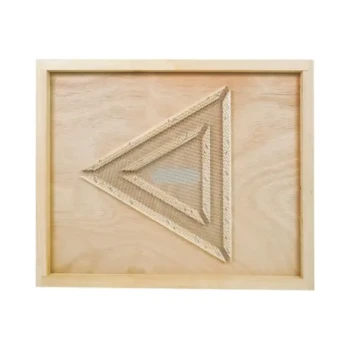
- HONESTBEE Wooden Bee Escape Board with Triangle Mesh Design for Beekeeping
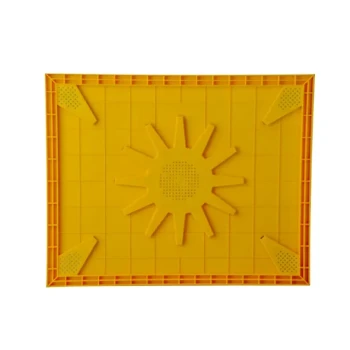
- HONESTBEE Multi Exit Plastic Bee Escape Board for Efficient Honey Harvesting
- Langstroth Solid Bottom Board for Beekeeping
- Solid Bottom Board Australian Pine Wood Langstroth Bottom Board for Wholesale
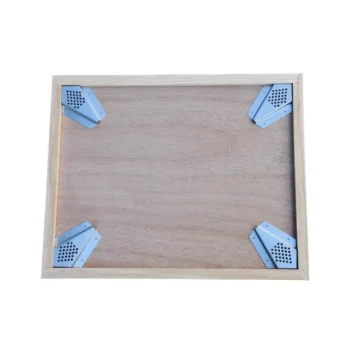
- HONESTBEE 4-Way Metal Corner Wooden Bee Escape Board
People Also Ask
- How is a bee escape board used to clear a hive body for honey harvesting? Optimize Your Chemical-Free Harvest
- What is a bee escape board and what problem does it solve? Simplify Your Honey Harvest with Passive Clearing
- How is a bee escape board used and how does it function? Master This Gentle Honey Harvesting Tool
- What are the proper steps for using a bee escape board for honey harvesting? Master the Passive Clearing Technique
- What tools and methods are used to clear honey bees from honey supers? Efficient Harvesting for Commercial Beekeepers