Wi-Fi bridges and microwave transmission equipment serve as the critical infrastructure for urban apiaries, enabling high-speed connectivity in locations where physical cabling is impossible or impractical. These technologies facilitate the long-distance transport of massive datasets—specifically high-definition video and continuous sensor logs—from rooftop hives directly to remote servers.
By establishing stable, long-distance wireless links over complex cityscapes, these tools transform isolated hives into connected data nodes, allowing for real-time monitoring of colony health through high-volume data and video streaming.
Overcoming the Connectivity Gap
Urban environments present unique challenges for data transmission. Rooftops are often physically disconnected from the building's main internet infrastructure, requiring a wireless solution that mimics a physical cable.
Bridging Physical Distance
Wi-Fi bridges and microwave equipment create a wireless tunnel between the hive location and an internet access point.
This allows apiaries located on isolated rooftops to transmit data over long distances without laying fiber or copper cables. It effectively jumps the gap between the building's network backbone and the remote hive.
Navigating Complex Environments
Cities are dense with interference and physical obstacles. Microwave and bridging technologies are designed to maintain signal stability despite these complex surroundings.
This stability is essential for maintaining a persistent connection, ensuring that data flow is not interrupted by the electronic noise common in urban centers.
Handling High-Bandwidth Demands
While simple sensors use very little data, modern monitoring often requires visual analysis. This is where high-capacity transmission equipment becomes essential.
Supporting High-Definition Video
The primary advantage of using Wi-Fi bridges over lower-power alternatives is bandwidth. They support the transmission of high-definition video streams.
This visual data allows for granular analysis, such as counting bee traffic or visually inspecting the hive entrance remotely.
Transmitting Large Sensor Volumes
Beyond video, urban hives often employ arrays of sensors generating continuous data streams.
These technologies facilitate the bulk transfer of this large volume of sensor data, ensuring that temperature, humidity, and acoustic logs are synced with servers in real time.
Enabling Real-Time Interaction
The ultimate goal of this infrastructure is to make hive data accessible and actionable.
Remote Expert Monitoring
Because the data transfer is real-time and stable, experts can monitor colony health without physical site visits.
This immediate access allows for rapid responses to anomalies, reducing the reaction time to potential hive threats.
Public Engagement
The bandwidth provided by these tools also enables public-facing applications.
Live streams and data dashboards can be shared online, allowing the public to view real-time hive activity, fostering education and awareness about urban pollinators.
Understanding the Trade-offs
While powerful, these transmission technologies come with specific requirements that must be managed.
Line-of-Sight Requirements
Microwave and high-speed Wi-Fi bridges typically require a clear line of sight between the transmitter and the receiver.
In a city, this means you must ensure no buildings, billboards, or dense foliage block the direct path between the apiary and the internet source.
Power Consumption
High-bandwidth transmission requires significantly more power than low-data protocols (like LoRaWAN).
You must ensure your apiary has a robust power source, such as a large solar array or mains power, to keep the bridge running 24/7.
Making the Right Choice for Your Goal
To determine if this infrastructure fits your project, evaluate your data needs.
- If your primary focus is visual inspection: You need Wi-Fi bridges or microwave equipment to handle the bandwidth of HD video streaming.
- If your primary focus is simple telemetry: A lower-power solution might suffice, as you would not need the high throughput these bridges provide.
Ultimately, if you need to see your hives in real-time video from a remote server, high-capacity wireless bridging is the only viable solution.
Summary Table:
| Feature | Wi-Fi Bridges / Microwave Links | Purpose in Urban Apiaries |
|---|---|---|
| Bandwidth | High Capacity | Supports HD video streaming & large sensor logs |
| Range | Long Distance | Connects remote rooftops to internet backbones |
| Reliability | High Stability | Mimics physical cabling in high-interference areas |
| Constraint | Line-of-Sight | Requires clear path between antennas |
| Power Needs | High | Best for hives with mains power or large solar arrays |
Elevate Your Commercial Apiary with HONESTBEE
Transitioning to smart urban beekeeping requires more than just high-speed data—it requires the right infrastructure. HONESTBEE empowers commercial apiaries and distributors with a complete wholesale range of professional beekeeping tools and advanced machinery.
From automated honey-filling machines to specialized hive-making hardware and essential industry consumables, we provide the backbone for your modern beekeeping operation. Whether you are scaling a professional honey business or supplying the next generation of urban beekeepers, our expertise ensures you have the durable equipment needed for success.
Ready to scale your operation? Contact us today to explore our wholesale catalog and expert solutions!
References
- Andrzej Szczurek, Piotr Batog. Monitoring System Enhancing the Potential of Urban Beekeeping. DOI: 10.3390/app13010597
This article is also based on technical information from HonestBee Knowledge Base .
Related Products
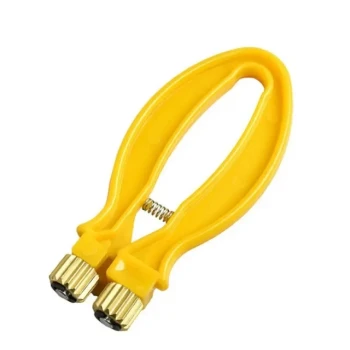
- HonestBee Ergonomic Frame Wire Crimper with Plastic Handles and Metal Gears Choice
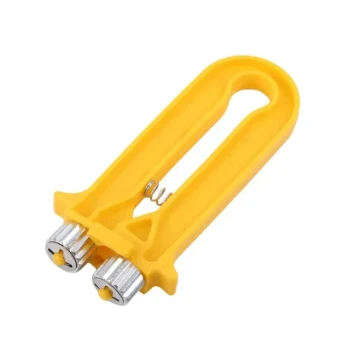
- HONESTBEE Ergonomic Spring Loaded Frame Wire Crimper
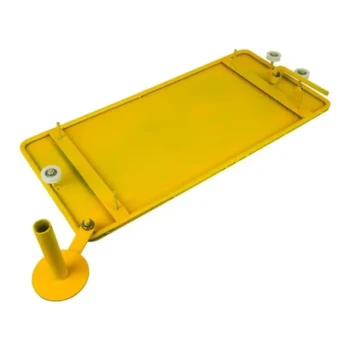
- HONESTBEE Durable Frame Wiring Board with Integrated Tensioner
- Ergonomic Plastic Frame Spacer Tool for Rapid Hive Management Beekeeping
- HONESTBEE Professional Frame Wiring Board and Jig
People Also Ask
- What tools and materials are required for wiring a beehive frame? Essential Equipment for Stronger Honeycomb
- What are the drawbacks of wiring beehive frames? Key Limitations and Structural Trade-offs Revealed
- What are the arguments for and against wiring beehive frames? Balance Durability and Management Flexibility
- Can wired frames be cleaned and rehabbed? A Guide to Safe, Cost-Effective Frame Restoration
- What is the purpose of wiring frames in beekeeping? Ensure Hive Durability & Efficient Honey Harvests