Wireless camera systems facilitate the management of remote organic apiaries by providing real-time visual surveillance and security monitoring via cellular or long-range radio networks. These systems allow beekeepers to monitor colony health, verify sensor-triggered alerts, and protect against theft or predators without the need for frequent, costly site visits. By integrating these visual tools with IoT sensor data, beekeepers can maintain high organic standards through minimal human intervention and lower operational overhead.
Wireless camera systems serve as the visual backbone of a remote IoT ecosystem, enabling beekeepers to verify hive health and security instantly. This integration optimizes labor costs while protecting the delicate balance of organic apiaries through reduced human disturbance.
Connectivity Solutions for Challenging Environments
Overcoming Geographical Barriers with LoRa and GSM
Remote apiaries are often located in mountainous or rural regions that lack standard Wi-Fi or wired broadband. Wireless communication modules, such as GSM, 3G, or 4G/5G, provide the essential wide-area network connectivity needed to transmit high-definition video feeds.
In areas where cellular signals are weak or non-existent, LoRa (Long Range) technology offers a low-power solution that can penetrate complex terrain. This allows for data transmission from multiple beehives to a central gateway, ensuring no colony is left unmonitored.
The Role of Gateway Devices in Data Aggregation
A gateway device acts as a bridge between the local sensors on the hives and the broader internet. It aggregates measurement data and visual feeds from various nodes and forwards them to a cloud-based platform.
This infrastructure supports large-scale apiary management, allowing distributors to offer a unified solution where beekeepers can access data from any location worldwide.
Enhancing Security and Colony Health
Visual Confirmation of Sensor Alerts
While weight and temperature sensors provide critical data, cameras offer visual verification that prevents unnecessary trips to the field. When a sensor triggers an alert for unusual activity, a beekeeper can use the camera feed to confirm the cause.
This secondary security measure is vital for managing crises, such as attacks by predators like bee-eater birds or wild animals. It ensures that interventions are targeted, timely, and based on visual facts rather than speculation.
Protecting Assets Against Human Theft
Remote apiaries are often vulnerable to theft due to their isolated locations. Integrated camera systems serve as a deterrent and a forensic tool, providing real-time image feeds that can be used to identify intruders.
For B2B resellers, offering cameras with motion-activated alerts and night vision capabilities is essential for protecting the high-value assets of commercial beekeeping operations.
Driving Operational Efficiency and Organic Integrity
Reducing Labor and Transportation Costs
One of the primary benefits of wireless monitoring is the significant reduction in manual site inspections. By replacing physical visits with digital surveillance, beekeeping operations can drastically cut fuel costs and labor hours.
This efficiency allows beekeepers to manage a higher number of colonies across diverse geographical locations. For distributors, this translates into a demand for scalable, high-volume sourcing of monitoring hardware.
Maintaining Minimal Human Disturbance
Organic beekeeping thrives on minimal human intervention to protect the natural ecosystem of the hive. Frequent manual inspections require opening hive covers, which can stress the bees and disrupt their thermal regulation.
Wireless cameras allow for "non-intrusive" monitoring, ensuring the organic integrity of the honey production process. This technical approach aligns with the core principles of organic certification.
Understanding the Trade-offs and Pitfalls
Power Management and Reliability
One of the primary challenges of remote camera systems is power consumption. Constant video streaming can quickly drain batteries, especially in areas with limited sunlight for solar recharging.
Distributors must emphasize low-power standby modes and efficient data transmission protocols to ensure system longevity. Relying on inferior components can lead to system failures during critical monitoring windows.
Data Latency and Network Stability
Even with advanced 4G or LoRa modules, network instability in extreme geographical environments remains a risk. Data packets can be lost, or video feeds may lag during inclement weather.
It is critical to provide systems with local storage backups (such as SD cards) to ensure that visual evidence is captured even if the live transmission is temporarily interrupted.
Making the Right Choice for Your Goal
As a distributor or wholesaler, selecting the right mix of hardware is essential for meeting the diverse needs of modern beekeeping operations. Your ability to provide a comprehensive, one-stop solution is a significant competitive advantage.
- If your primary focus is high-security environments: Prioritize cameras with advanced motion detection, night vision, and rapid cellular alert capabilities.
- If your primary focus is extreme remote accessibility: Focus on LoRa-compatible hardware and low-power sensors that can operate for years without battery replacement.
- If your primary focus is large-scale commercial efficiency: Offer an integrated IoT suite that combines visual feeds with weight, temperature, and acoustic data on a single cloud dashboard.
Empowering beekeepers with reliable, high-tech surveillance ensures the long-term sustainability and profitability of remote organic apiaries.
Summary Table:
| Feature | Technology/Solution | Key Business Benefit |
|---|---|---|
| Connectivity | GSM (4G/5G) & LoRa | Reliable data transmission in remote or mountainous areas. |
| Security | Motion-Activated HD Cameras | Real-time theft deterrence and predator visual verification. |
| Colony Health | Integrated IoT Sensor Sync | Remote health checks without disturbing hive thermal balance. |
| Efficiency | Cloud-Based Dashboards | Drastic reduction in manual site visits, labor, and fuel costs. |
Scale Your Beekeeping Business with HONESTBEE
Are you a distributor, wholesaler, or B2B reseller looking for a reliable partner in the commercial beekeeping industry? HONESTBEE offers a comprehensive one-stop sourcing solution tailored to your needs. We supply the full spectrum of beekeeping tools, machinery, and equipment—from specialized hive-making and honey-filling machines to essential industry consumables.
Why Partner with HONESTBEE?
- Comprehensive Portfolio: Access high-tech monitoring systems alongside traditional hardware and cultural merchandise.
- Operational Excellence: Benefit from ultra-fast delivery, efficient fulfillment, and rapid response times.
- Professional Expertise: Leverage our deep industry knowledge to provide your clients with premium, certified products.
Ready to enhance your product range and profit margins?
Contact our expert team today to discuss wholesale opportunities and customized OEM/ODM support!
References
- Vassiliki Lappa, Stavroula Galanopoulou. Honey Production from Forests and Silvοpastoral Systems. DOI: 10.5281/zenodo.18494567
This article is also based on technical information from HonestBee Knowledge Base .
Related Products
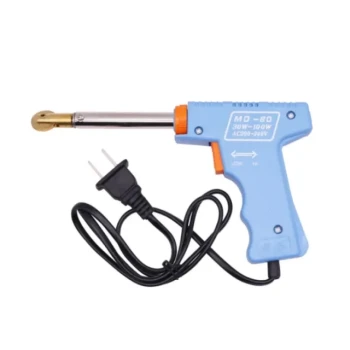
- HONESTBEE AC Powered Wire Embedder with Alligator Clips
- HONESTBEE Adjustable Voltage Wire Embedder with Digital Display
- Heavy-Duty Ergonomic Grip Galvanized Pollen Shovel
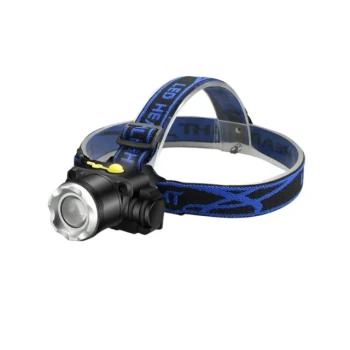
- Professional Rechargeable Beekeeping Headlamp Flashlight with Red Light Mode and Type-C Charging
- Professional Frame Preparation: The HONESTBEE Electric Wire Embedder
People Also Ask
- How can combs be further strengthened? Embed Wires for Durable, High-Yield Hives
- What is an embedder in beekeeping? Essential Tool for Strengthening Wax Foundation & Hive Frames
- Why must strict sanitary and health prevention protocols be implemented for honeybee transport? Maximize Colony Survival
- What are the primary indicators of healthy honeybee colonies? Optimize Your Commercial Apiary for Peak Productivity
- Why must honeybee samples be stored in high-concentration ethanol and low temperatures? Ensure Genetic & Physical Integrity